
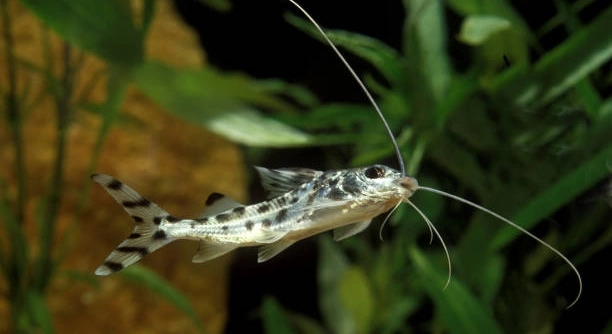
Is your Pictus catfish hiding more often or looking stressed after water changes, even when the tank seems clean and safe?
The best way to make water changes easier on your Pictus catfish is by minimizing sudden changes in temperature, pH, and water hardness. Gradual transitions, using pre-conditioned water, and consistent maintenance routines help reduce stress and prevent health issues.
These practical tricks will help your Pictus feel secure, stay active, and remain healthy through every routine water change.
Match the New Water Temperature
Pictus catfish are sensitive to sudden temperature shifts, especially during water changes. Matching the temperature of the new water to the tank water is one of the most effective ways to prevent stress. Use a reliable aquarium thermometer to compare both temperatures before pouring in new water. If needed, use a heater or let the water sit until it matches the tank. Even small differences can impact your Pictus’s behavior and health. A stable water temperature helps maintain their metabolism and keeps their immune system functioning properly. Never rely on touch to judge water temperature, as it can be misleading and inconsistent. Always measure, adjust, and wait. Making this a habit protects your fish and creates a safer environment. Keeping things steady is better than acting fast. These small steps are worth the peace of mind they bring each time you clean the tank.
Use water from the same source each time and measure carefully to avoid stress.
Sudden changes in water temperature during a water change can cause your Pictus catfish to become sluggish or hide for long periods. That’s a sign of stress. When done properly, a gradual shift helps them stay active and relaxed. You can prepare the new water in a separate container and heat it gently to match the tank water. If you’re using tap water, let it sit for at least 24 hours before using, and check the temperature again. Always test before you pour, not after. Investing in a submersible thermometer is an easy way to prevent mistakes. For larger tanks, consider using a siphon that slowly adds the new water over a longer time. This process makes transitions smoother and safer. The goal is to keep things as consistent as possible. When you avoid sudden changes, your fish feel more secure and won’t react negatively to routine tank maintenance.
Use a Water Conditioner
Always use a trusted water conditioner to neutralize chlorine, chloramine, and heavy metals in tap water.
Conditioners help prevent skin irritation and gill damage in Pictus catfish. Tap water contains chemicals that aren’t safe for fish unless treated. Most conditioners work quickly and are easy to add before pouring water into the tank. Make sure to read the label and dose accurately based on how much new water you’re adding. It’s important to treat the water outside the tank in a separate bucket or container to avoid exposing your fish to any raw tap water, even briefly. Some conditioners also add slime coat protection, which can support your Pictus’s natural defenses. Skipping this step can lead to long-term health issues, including problems with breathing or increased disease risk. By using conditioner every time, you’re taking a basic but essential step to protect your fish. Don’t let a routine step be overlooked—water that’s safe for you might not be safe for your catfish.
Clean the Substrate Slowly
Vacuum the substrate in sections instead of cleaning the whole bottom at once. This helps preserve beneficial bacteria and keeps your Pictus from getting overwhelmed by sudden changes in water chemistry or stirred-up waste.
When cleaning the substrate, divide the tank floor into sections and rotate the areas you clean during each water change. Stirring up too much debris all at once can release toxins like ammonia or nitrite, which puts stress on your Pictus. Avoid rapid suction across the entire tank floor, especially if it’s been a while since your last deep clean. Your fish are sensitive to changes in water clarity and quality. Keeping their environment balanced depends on not disturbing too much at once. Cleaning slowly helps maintain the biological balance in your tank while still removing waste. It also gives your Pictus fewer reasons to hide or act stressed after each session.
Using a gravel vacuum with adjustable flow control makes the job much easier. Aim for about one-third of the substrate each week. This way, beneficial bacteria colonies have time to rebuild and support a healthy nitrogen cycle. Your Pictus relies on that balance to stay calm and active. If you clean the entire substrate at once, it can wipe out helpful microbes that stabilize your tank. This might lead to cloudy water or even trigger spikes in harmful compounds. Cleaning in sections gives the tank time to adjust, keeping the water safe and the fish less reactive. A gentle routine helps avoid unnecessary problems and maintains a consistent environment. Over time, your Pictus will get used to the schedule and won’t react as strongly.
Reduce Water Flow Temporarily
Lower the flow of your filter or water return line during water changes. Fast water movement during cleaning can cause your Pictus to panic or dash around the tank, increasing their stress levels and risk of injury.
Reducing the flow can make a big difference, especially when you’re refilling the tank. Pictus catfish are fast swimmers but tend to hide or dart when water currents shift too quickly. If your filter allows flow adjustment, turn it down or temporarily unplug it while adding water. You can also use a water deflector or sponge to soften the current. Avoid creating strong turbulence, especially near the bottom of the tank. After the water is added and conditions stabilize, restore the flow to its normal setting. Controlling the flow during changes makes the environment calmer and keeps your fish from reacting strongly. It’s a simple adjustment, but it helps avoid unnecessary stress or injuries.
Use a Drip Method for Refills
A slow drip refill helps your Pictus adjust more gently to the new water. Using an airline tube with a valve lets the water enter gradually, reducing sudden changes in temperature, pH, and other parameters that could shock your fish.
This method is especially useful for smaller tanks or when replacing a large volume of water. It also helps keep the water clear, avoiding a sudden cloudiness that can startle your Pictus. A drip system takes more time, but it’s one of the safest ways to refill without causing stress or disrupting your setup.
Keep the Lights Dim
Bright lights during a water change can increase stress for your Pictus catfish. Lowering the lights or turning them off briefly during cleaning helps them stay calm and reduces darting or hiding behaviors.
Avoid Loud Noises Nearby
Sudden noises or vibrations near the tank can startle your Pictus. Try to keep the room quiet and avoid tapping or dragging equipment while doing water changes.
How often should I change the water for my Pictus catfish?
Water changes should be done weekly or biweekly, depending on tank size and stocking levels. For smaller tanks or those with more fish, weekly changes of 20-30% are recommended to maintain water quality. Larger tanks with fewer fish can often get by with biweekly changes. Regular water changes help remove excess waste, reduce nitrate levels, and keep the environment stable for your Pictus. Avoid changing too much water at once, as this can shock your fish. Consistency is key, so pick a schedule you can maintain and stick to it for the best results.
What temperature is best for Pictus during water changes?
Pictus catfish prefer water temperatures between 75°F and 82°F (24°C to 28°C). During water changes, it’s important that the new water matches the tank temperature as closely as possible. Sudden temperature drops or increases can stress your fish, leading to illness or hiding. Always use a thermometer to check both the tank water and the water you plan to add. If needed, adjust the new water temperature with an aquarium heater or by letting it sit to reach room temperature. This small step helps keep your Pictus comfortable and healthy.
Can I use tap water directly for water changes?
No, tap water should never be added directly to your aquarium without treatment. Tap water contains chlorine, chloramine, and sometimes heavy metals that are harmful to fish. Always use a water conditioner designed for aquariums to neutralize these chemicals before adding the water. Conditioners are widely available and easy to use. Treat the water in a separate container and wait the recommended time before pouring it into the tank. This simple step protects your Pictus’s gills and skin, reducing the risk of infections and stress.
Is it okay to clean the filter during water changes?
Cleaning your filter during water changes is fine but should be done carefully. Avoid washing filter media with tap water, as this can kill beneficial bacteria essential for breaking down waste. Instead, rinse the filter parts gently with tank water removed during the water change. This keeps the beneficial bacteria alive and helps maintain the nitrogen cycle. Cleaning the filter too often or too thoroughly can disrupt this cycle and cause water quality issues. Aim to clean the filter every 3-4 weeks or when you notice reduced flow or buildup.
Why does my Pictus hide after water changes?
Hiding after water changes is a common reaction caused by stress. Changes in water chemistry, temperature, or flow can make Pictus feel unsafe. It’s important to keep water parameters stable and avoid sudden shifts. Using slow water additions and matching temperature helps reduce hiding. Providing plenty of hiding spots and plants also allows your fish to feel secure. If your Pictus hides briefly but returns to normal behavior, this is usually not a concern. However, prolonged hiding or loss of appetite may signal a deeper issue with water quality or health.
How much water should I change at once?
Changing about 20-30% of the tank water at once is a good rule of thumb. This amount is enough to remove accumulated waste and keep water quality high without shocking your fish. Changing too much water in one go can cause rapid changes in pH, hardness, and temperature, stressing your Pictus. If you need to perform a larger water change due to illness or high nitrate levels, do it gradually over several hours using a drip method. Regular smaller changes are better for long-term tank stability.
What equipment helps make water changes easier?
Several tools can simplify water changes for Pictus owners. A gravel vacuum or siphon helps remove debris from the substrate while removing water. Adjustable flow siphons allow control over the speed to avoid disturbing fish. A separate bucket for treating water with conditioner is essential. Thermometers ensure temperature matching. Some people use drip systems for slow water addition to reduce stress. Additionally, flow restrictors or water deflectors can lower current strength during refills. Having these tools ready makes the process quicker, safer, and less stressful for your fish.
Can I feed my Pictus before a water change?
It’s best to avoid feeding your Pictus immediately before a water change. Feeding can increase waste and reduce water quality. If possible, feed a few hours before or after the water change to allow your fish time to digest. Overfeeding can lead to uneaten food sinking into the substrate, which causes more work during cleaning and can produce harmful toxins. A clean tank with good water quality supports better health and reduces stress during water changes.
What signs show my Pictus is stressed by water changes?
Signs of stress include hiding, erratic swimming, loss of appetite, rapid breathing, or clamped fins. If your Pictus darts around or hides excessively after a water change, it could mean water parameters changed too quickly. Cloudy water or strong odors can also stress fish. Monitor your Pictus closely during and after water changes. If these symptoms persist beyond a day or two, check water quality and parameters immediately. Correcting the cause early helps prevent illness and supports recovery. Regular, gentle water changes minimize these issues.
Water changes are an essential part of caring for your Pictus catfish. Keeping the water clean helps maintain good water quality and supports your fish’s health. However, the process can be stressful for your Pictus if done too quickly or without proper care. Simple steps like matching the new water temperature, using a water conditioner, and cleaning the substrate slowly can make a big difference. These small actions help reduce stress and prevent sudden changes that might harm your fish. Over time, following these tips will make water changes easier for both you and your Pictus.
It is also important to create a calm environment during water changes. Lowering the water flow temporarily and dimming the lights can help your Pictus feel more secure. Reducing noise and avoiding sudden movements near the tank also keeps your fish relaxed. Using a drip method for refilling the tank adds new water slowly and gently, which prevents shocks from quick changes in water chemistry. These careful steps ensure that your Pictus can adjust comfortably and stay healthy. Consistency and patience during water changes build a safer habitat for your fish.
Finally, remember that regular maintenance is key to a healthy aquarium. Water changes done properly support beneficial bacteria and maintain stable water parameters. Avoid cleaning the entire tank or filter media all at once, as this can upset the balance needed for your Pictus to thrive. By keeping a steady schedule and following the simple tricks shared here, you will provide a better home for your fish. Over time, your Pictus will be less stressed, more active, and happier in a well-maintained tank. Taking the time to do water changes carefully is an important part of good fishkeeping.

Hello,
If you enjoy the content that we create, please consider saying a "Thank You!" by leaving a tip.
Every little bit helps us continue crafting quality advice that supports the health, happiness, and well-being of pets around the world, for pets of all shapes, sizes, and species.
We really appreciate the kindness and support that you show us!