
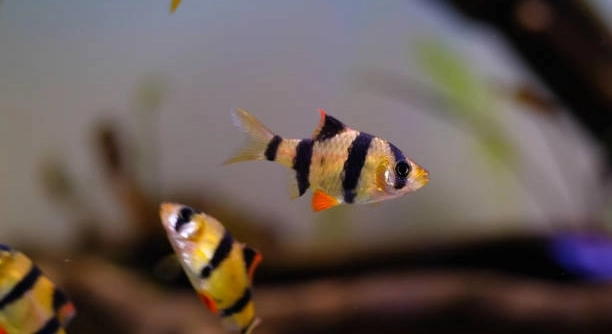
Tiger Barbs are lively fish that add color and movement to any aquarium. They often swim in groups but can sometimes seem shy or standoffish. Many fish owners want their Tiger Barbs to interact more with each other and with their environment.
Making Tiger Barbs more social involves understanding their natural behaviors, providing a suitable environment, and encouraging interaction through proper tank setup and care. Social behavior can be enhanced by maintaining group sizes, offering hiding spots, and minimizing stressors in their habitat.
Improving social behavior can make your aquarium more lively and enjoyable to watch over time. Small changes can create a big difference in how your Tiger Barbs interact daily.
Keep Tiger Barbs in Groups of Six or More
Tiger Barbs naturally swim in schools, so keeping them in groups of six or more helps them feel secure and confident. When they have enough companions, they tend to be less aggressive and more social. Smaller groups can lead to stress, which causes hiding or nipping behavior. It’s important to provide enough space for the group to swim freely without overcrowding the tank. Proper tank size and water quality also play a role in supporting a healthy social environment. Observing their behavior regularly helps to catch signs of stress early and adjust the group size or environment accordingly. Giving your Tiger Barbs the right social setting encourages playful and active swimming.
A group of six or more Tiger Barbs is ideal for social interaction and reduces aggression in the tank.
Keeping a good number of Tiger Barbs together mimics their natural environment. When they swim in a group, they feel safer and interact more. This number also prevents any one fish from becoming a target. A well-sized group encourages natural behaviors such as chasing, schooling, and exploring. It helps them build bonds with other fish and reduces loneliness. Watching them swim in sync can be rewarding and calming. Ensuring a proper group size is a simple way to promote a healthier, more active tank.
Provide Plenty of Hiding Spots
Hiding spots reduce stress and help Tiger Barbs feel safe. Without places to hide, fish may become nervous or withdrawn.
Tiger Barbs like plants, rocks, and caves to retreat to. These spots also encourage natural exploration and reduce aggression. Including various hiding areas makes the tank more dynamic and interesting for the fish. Different hiding spots create safe zones where shy fish can relax and regain confidence. This promotes social behavior because the fish feel less threatened. Over time, the Tiger Barbs will feel comfortable moving around and interacting more openly. Adding decorations that blend well with the tank creates a balanced and inviting environment.
Feed Them Regularly and Consistently
Feeding Tiger Barbs on a regular schedule helps build trust and encourages social interaction. Consistent feeding times let them anticipate food and gather together.
Regular feeding supports their health and boosts activity levels. When they expect food at certain times, they become more active and visible. This anticipation can lead to group swimming and interaction near feeding areas. Providing a varied diet with flakes, pellets, and occasional live or frozen foods keeps them interested and healthy. Feeding small amounts multiple times a day is better than one large feeding to reduce waste and keep water clean. Healthy, well-fed Tiger Barbs are more likely to display social behaviors, including playful chasing and schooling.
Timing meals consistently also reduces stress by establishing a routine. When Tiger Barbs feel secure, they interact more with one another and their environment. Over time, they may recognize you as a source of food, which further encourages interaction.
Maintain Clean Water Conditions
Clean water is essential for the health and social behavior of Tiger Barbs. Poor water quality causes stress, which reduces their willingness to interact.
Frequent water changes and good filtration keep water parameters stable and safe. Regularly testing for ammonia, nitrite, and nitrate levels helps prevent harmful buildups. Clean water reduces the risk of disease and keeps fish energetic. Stress from dirty water causes fish to hide or become aggressive rather than social. Keeping the tank clean ensures that your Tiger Barbs feel comfortable and secure, encouraging natural social behaviors. A well-maintained tank supports vibrant, active fish that interact more frequently and positively with each other.
Avoid Overcrowding the Tank
Too many fish in the tank can cause stress and aggression among Tiger Barbs. They need space to swim and establish social groups comfortably.
Overcrowding reduces water quality and limits hiding spots. It often leads to fights and shy behavior, making socializing harder for the fish.
Introduce New Tank Mates Carefully
Adding new fish slowly helps Tiger Barbs adjust without becoming stressed or aggressive. Sudden changes can disrupt their social balance.
Introduce new tank mates in quarantine first to avoid diseases. Observe interactions closely to ensure peaceful coexistence. Proper introductions support a calm, social environment.
Use Gentle Lighting
Bright or harsh lighting can make Tiger Barbs nervous and less likely to interact. Gentle, natural lighting helps them feel calm and active.
FAQ
How many Tiger Barbs should I keep together?
Tiger Barbs do best in groups of six or more. Smaller groups can cause stress and aggression because they feel insecure. A group of six or more allows them to show natural schooling behavior and reduces bullying. Make sure your tank is large enough to accommodate the group comfortably.
What kind of tank setup encourages social behavior?
A well-planted tank with plenty of hiding spots helps Tiger Barbs feel safe and confident. Include rocks, caves, and live or artificial plants to create cover. Open swimming areas also allow the fish to school and interact freely. Balanced lighting and clean water conditions are equally important.
Can Tiger Barbs be kept with other fish?
Yes, but choose tank mates carefully. Tiger Barbs are semi-aggressive and may nip fins of slow-moving or long-finned fish. Good companions include fast, similarly sized species like danios or other barbs. Introduce new fish slowly to avoid stress and aggression.
How often should I feed Tiger Barbs?
Feed small amounts two to three times a day. Multiple small feedings keep the fish active and prevent overfeeding, which can dirty the tank. Offer a varied diet including flakes, pellets, and occasional live or frozen foods to keep them healthy and interested.
Why do my Tiger Barbs hide a lot?
Hiding often means they feel stressed or threatened. Common causes include poor water quality, overcrowding, lack of hiding spots, or overly bright lighting. Improving tank conditions and adding plants or decorations for shelter usually helps them feel secure and more social.
What causes aggression in Tiger Barbs?
Aggression usually stems from overcrowding, stress, or lack of proper social groups. If there are too few Tiger Barbs or the tank is too small, they may become territorial and nip fins. Maintaining good water quality, providing enough space, and keeping them in groups reduces aggressive behavior.
How important is water quality for social behavior?
Water quality is very important. Poor water conditions cause stress, illness, and lethargy, all of which reduce social interaction. Regular water changes, filtration, and testing keep the environment healthy and encourage active, social behavior among your Tiger Barbs.
Can lighting affect my Tiger Barbs’ behavior?
Yes, harsh or overly bright lighting can stress Tiger Barbs, causing them to hide and avoid interaction. Using softer or natural lighting helps them feel more relaxed and encourages them to swim openly and interact with each other.
Should I rearrange decorations or plants to improve social behavior?
Occasionally changing the tank layout can stimulate curiosity and encourage exploration. However, frequent or drastic changes might cause stress. Make small adjustments carefully to create new hiding spots or open spaces without disrupting the fish’s comfort zone.
Is it normal for Tiger Barbs to nip each other?
Some fin-nipping is natural in Tiger Barbs, especially during play or establishing social order. However, excessive nipping signals stress, overcrowding, or poor conditions. Ensure proper group size, provide hiding spots, and maintain good water quality to minimize harmful aggression.
Final thoughts are important when it comes to caring for Tiger Barbs and encouraging them to be more social. These fish are naturally active and enjoy swimming in groups. To help them show their best behavior, it is essential to provide a suitable environment that meets their basic needs. A well-maintained tank with clean water, enough space, and places to hide helps reduce stress and supports healthy social interactions. Paying attention to their group size also makes a big difference. Keeping at least six or more Tiger Barbs together allows them to feel secure and engage in natural schooling behavior.
Consistency plays a key role in making Tiger Barbs more social. Feeding them on a regular schedule helps build trust and anticipation, which encourages them to swim together near feeding times. Providing a varied diet keeps them healthy and interested, which also promotes activity and social behavior. Avoiding overcrowding is just as important because too many fish in a small space cause tension and aggressive behavior. Maintaining stable water conditions and gentle lighting makes the tank a comfortable place where your fish feel safe. These small but important factors combine to create a balanced habitat that encourages Tiger Barbs to interact more openly.
Patience is necessary when working to improve the social behavior of your Tiger Barbs. Changes in environment or routine may take time to show results. Watching your fish regularly helps you notice signs of stress or discomfort early so you can make adjustments. Introducing new tank mates carefully ensures the existing fish remain calm and social. Ultimately, the goal is to create a healthy and inviting space where Tiger Barbs feel confident. By focusing on these care basics and observing your fish, you can enjoy a lively and engaging aquarium full of social, active Tiger Barbs.

Hello,
If you enjoy the content that we create, please consider saying a "Thank You!" by leaving a tip.
Every little bit helps us continue crafting quality advice that supports the health, happiness, and well-being of pets around the world, for pets of all shapes, sizes, and species.
We really appreciate the kindness and support that you show us!