
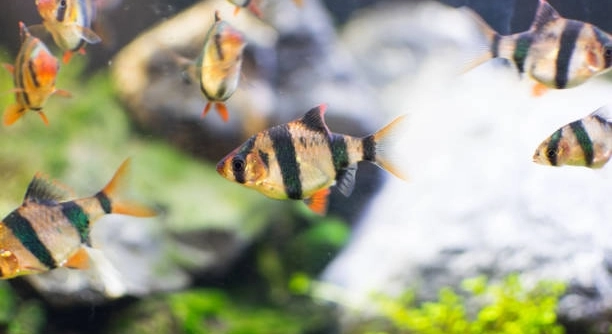
Tiger Barbs are lively fish known for their bright colors and active behavior. However, their territorial nature can cause stress and conflicts in home aquariums. Managing this behavior is essential for a peaceful and balanced tank environment.
To reduce territorial aggression in Tiger Barbs, adjustments such as increasing tank size, providing ample hiding spots, maintaining a balanced group size, and ensuring proper feeding routines are effective strategies. These measures promote coexistence and reduce stress-related behaviors.
These simple tricks can help create a calmer space for your Tiger Barbs. Learning how to apply them can improve your aquarium’s harmony and the fish’s well-being.
Provide Ample Hiding Spaces
Tiger Barbs tend to become territorial when they feel exposed or threatened. Adding plenty of hiding spots like plants, rocks, and decorations can help reduce this stress. When fish have their own space, they are less likely to fight over territory. Dense vegetation not only offers cover but also breaks up the line of sight between aggressive fish. This encourages a more peaceful tank environment by limiting direct confrontations. Creating separate zones helps the fish feel secure and less competitive. It also allows them to rest and avoid constant stress. Avoid overcrowding the tank with decorations, though, as it can restrict swimming space. Balance is key. Regularly rearranging hiding spots can prevent fish from staking permanent claims. This keeps the environment dynamic and reduces the chance of one fish dominating the area.
Hiding spaces give Tiger Barbs security and reduce territorial behavior. This simple adjustment supports a calmer aquarium atmosphere.
Changing up the tank layout and adding natural elements benefits your fish. A well-planned environment encourages peaceful interactions and helps maintain healthy fish relationships over time.
Maintain Proper Group Size
Tiger Barbs are schooling fish and do best in groups. Keeping at least six or more individuals can spread out aggression and reduce bullying. When the group is too small, one or two fish may become overly dominant, targeting others repeatedly. Larger groups create a natural hierarchy and diffuse attention among many fish. This lowers stress levels for each individual. Overcrowding, however, can increase stress and territorial disputes, so it is important to find the right balance. The tank size also matters; bigger tanks allow for more fish and more space for each fish to claim. Watching how the fish interact can help determine if the group size needs adjustment. Proper group management is a simple but effective way to limit aggressive behavior.
Group size plays a crucial role in how Tiger Barbs behave. Larger, well-balanced schools encourage healthier social dynamics.
Keeping a well-sized group promotes natural behavior and lessens territorial fights. Proper social structure makes for a more peaceful and enjoyable aquarium.
Feed a Balanced Diet
Feeding Tiger Barbs a varied diet keeps them healthy and reduces aggression caused by hunger or competition. Balanced nutrition supports their energy and wellbeing.
A diet that includes high-quality flakes or pellets, along with occasional live or frozen foods like brine shrimp or bloodworms, ensures proper nutrition. This variety keeps the fish interested in their food and less likely to compete aggressively for it. Feeding smaller amounts multiple times a day also helps maintain stable energy levels and decreases stress. Avoid overfeeding, as excess food can pollute the tank and cause health issues. Regular feeding schedules help fish settle into a routine, further calming territorial behaviors related to competition for food.
Providing clean water and removing uneaten food quickly is also important. Good tank hygiene supports fish health, making them less likely to act out aggressively due to stress or discomfort.
Keep Water Conditions Stable
Stable water conditions are essential to reduce stress and aggression in Tiger Barbs. Fluctuating temperature or poor water quality can trigger territorial behavior.
Regular testing and maintenance of water parameters such as pH, ammonia, nitrites, and nitrates create a healthier environment. Sudden changes in water temperature or chemistry make fish anxious and more prone to fighting. Using a reliable heater and filter maintains consistent conditions. Partial water changes each week help remove toxins and replenish minerals. Avoid overcrowding and overfeeding, which can degrade water quality quickly. Proper aeration also supports oxygen levels, improving fish comfort. Monitoring the tank closely allows early detection of issues that might lead to increased aggression. Stable conditions keep Tiger Barbs calm and balanced, reducing their territorial instincts.
Consistent water care is a key part of managing aggression. It ensures fish remain healthy and less reactive in their environment.
Increase Tank Size
A larger tank gives Tiger Barbs more space to swim and establish territories without constant conflict. More room helps reduce aggression significantly.
With extra space, fish can spread out and avoid frequent encounters. This lowers stress and territorial disputes, creating a calmer tank environment.
Use Tank Mates Carefully
Choose tank mates that are fast and equally active to prevent bullying. Slow or shy fish may become targets of aggression.
Tiger Barbs can be aggressive, so pairing them with compatible species is crucial. Avoid small or long-finned fish that could trigger chasing or nipping.
Rearrange Decorations Regularly
Changing the tank layout disrupts established territories. This prevents any one fish from becoming too dominant over a particular area.
Rearranging decorations keeps the environment fresh and reduces long-term territorial behavior.
FAQ
How many Tiger Barbs should be kept together to reduce aggression?
Keeping at least six Tiger Barbs together helps spread out aggressive behavior. Smaller groups often result in one or two fish becoming overly dominant, which increases stress and fights. Larger groups create a natural social structure that diffuses aggression and promotes balance within the tank.
What kind of tank decorations help reduce territorial disputes?
Providing dense plants, rocks, and caves helps break up sightlines and creates separate zones. This limits direct confrontations by giving each fish a space to claim. Decorations also offer hiding spots where fish can retreat if they feel threatened, reducing stress and fights.
Is tank size important for controlling territorial behavior?
Yes, a larger tank allows more space for Tiger Barbs to swim freely and establish their own territories without constant overlap. More space reduces competition and aggression, making the fish calmer and more balanced.
What diet is best for Tiger Barbs to minimize fighting?
A varied diet of high-quality flakes or pellets supplemented with live or frozen foods like brine shrimp or bloodworms keeps Tiger Barbs well-nourished and less competitive. Feeding smaller amounts multiple times daily helps maintain steady energy and reduces food-related aggression.
How often should water be changed to keep Tiger Barbs calm?
Partial water changes of about 20-25% every week maintain water quality and reduce stress. Clean, stable water lowers aggression by providing a healthier environment. Testing water parameters regularly ensures conditions stay optimal.
Can tank mates affect Tiger Barbs’ territorial behavior?
Yes, choosing fast, active tank mates that can hold their own helps prevent bullying. Avoid slow, shy, or long-finned species, as these are more likely to become targets. Compatible tank mates contribute to a more peaceful community.
Why does rearranging tank decorations help with territorial issues?
Changing the tank layout disrupts established territories, preventing any single fish from dominating an area. This keeps the environment dynamic and reduces long-term aggression. Regular rearrangement helps maintain peace in the tank.
Do Tiger Barbs become less territorial as they grow?
Territorial behavior may decrease slightly as fish mature and social hierarchies stabilize, but it often persists to some degree. Continuous management through tank size, group dynamics, and environment remains important to minimize conflict.
Is overcrowding Tiger Barbs a good way to reduce aggression?
Overcrowding is not recommended. Too many fish in a small space increases stress and water quality issues, which can worsen aggression. Proper stocking levels matched to tank size are essential for a healthy, peaceful environment.
What role does lighting play in Tiger Barb behavior?
Bright lighting can increase activity and aggression in Tiger Barbs. Providing areas with subdued or shaded lighting offers retreats and can help calm the fish. Balanced lighting mimics natural conditions and supports well-being.
Final Thoughts
Managing territorial behavior in Tiger Barbs requires consistent attention to their environment and care. Providing enough space, hiding spots, and keeping the right group size are essential steps. These measures help reduce stress and aggression by allowing fish to feel secure and less threatened. When the tank is well-planned and balanced, the fish are more likely to coexist peacefully. It is important to remember that Tiger Barbs have natural instincts, so some level of territorial behavior will always exist. The goal is to keep it at a manageable level where it does not harm the health or happiness of the fish.
Feeding a varied and balanced diet plays an important role in controlling territorial disputes. Hungry or stressed fish are more prone to fighting over food or space. Regular feeding with quality food supports their energy and reduces competition. Keeping water quality stable through regular maintenance also helps lower stress levels. Poor water conditions can make fish irritable and more aggressive. By monitoring water parameters and making sure the tank is clean, you create an environment where Tiger Barbs feel comfortable and less inclined to defend territory aggressively.
It is useful to observe your fish regularly to understand their behavior and make adjustments as needed. Small changes like rearranging decorations or adding new hiding spots can help break up territories and reduce conflict. Selecting compatible tank mates and avoiding overcrowding also contribute to a calmer tank. While Tiger Barbs are lively and sometimes feisty, a well-managed aquarium can support their natural behaviors without letting aggression become a problem. Patience and careful care make a big difference in maintaining a peaceful and healthy community tank.

Hello,
If you enjoy the content that we create, please consider saying a "Thank You!" by leaving a tip.
Every little bit helps us continue crafting quality advice that supports the health, happiness, and well-being of pets around the world, for pets of all shapes, sizes, and species.
We really appreciate the kindness and support that you show us!