
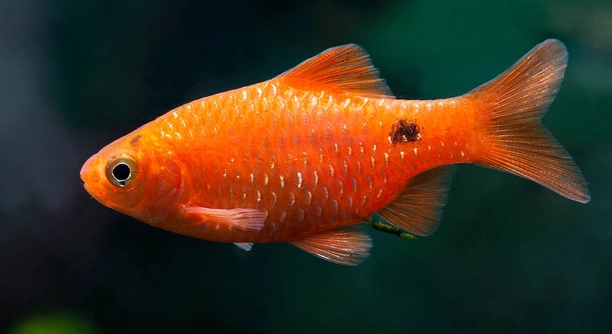
Rosy barbs are lively fish that enjoy exploring their environment. Their natural curiosity helps keep them active and healthy. Encouraging more exploration can improve their well-being and make your aquarium more engaging to watch.
To increase exploration in rosy barbs, provide a stimulating environment with plants, hiding spots, varied terrain, and gentle water flow. These elements encourage natural behaviors, reduce stress, and promote physical activity in the fish.
Improving their environment and understanding their needs will lead to a happier, more active rosy barb community in your tank.
Create a Varied Environment
Rosy barbs are naturally curious and like to explore different textures and spaces in their tank. Adding a mix of plants, rocks, and decorations creates a more interesting environment for them. Live plants can offer hiding spots and places to swim through, while smooth rocks and caves add variety. Avoid overcrowding the tank, as too many decorations can limit swimming space and cause stress. A well-balanced layout encourages the fish to swim around more and discover new areas. Changing the setup occasionally also keeps their environment fresh, which helps maintain their interest and activity.
Adding variety to their habitat supports both mental and physical health, encouraging more natural behavior.
Introducing new elements carefully allows the barbs to feel safe while they explore. Small changes can make a big difference in their daily activity levels.
Use Proper Lighting
Lighting affects how rosy barbs behave and explore their tank. Soft, natural light encourages activity without causing stress. Bright or harsh lighting can make the fish hide and reduce movement. Setting a regular light schedule with about 10 to 12 hours of light per day helps maintain their natural rhythm. Using adjustable or dimmable lights can give you control over the brightness and make it easier to find what works best for your fish.
Avoid sudden changes in lighting to prevent startling your rosy barbs.
A consistent light cycle mimics their natural environment, promoting regular activity and exploration. Observing how your fish respond to different lighting can guide you in adjusting the setup to their comfort. Proper lighting also supports the growth of live plants, which contribute to the tank’s overall health. Finding the right balance between light and shade gives the fish choices and encourages movement throughout the tank. Light and dark areas make the space feel more dynamic and less stressful, which helps shy or less active barbs become more confident and adventurous.
Provide Plenty of Swimming Space
Rosy barbs need enough room to swim freely to stay active and curious. Overcrowded tanks limit their movement and reduce exploration. A tank size of at least 20 gallons is recommended for a small group.
Having ample swimming space allows rosy barbs to engage in natural schooling behavior, which keeps them stimulated. When the tank is spacious, they can explore different levels and areas without feeling cramped. This freedom encourages movement, which is essential for their health and well-being. Crowding can cause stress, which often results in less activity and hidden behavior. Providing enough room supports a more dynamic and lively aquarium environment.
Open areas combined with safe hiding spots create a balanced habitat where rosy barbs feel secure yet motivated to swim around. This setup promotes exploration and reduces aggression within the group.
Introduce Gentle Water Flow
A gentle water flow mimics natural conditions and encourages rosy barbs to explore their environment. Strong currents can tire them out or cause stress, limiting their activity.
Light water movement stimulates their senses and invites them to swim more actively through different parts of the tank. It also helps distribute oxygen evenly, which is crucial for their health. Gentle currents can push the fish to adjust their swimming patterns, making the environment more engaging. However, too much flow may make them seek shelter constantly, reducing exploration. Adjusting the filter or adding a small water pump can create the right level of movement. Proper water flow supports not only activity but also cleanliness and oxygenation, benefiting the entire tank ecosystem.
Feed a Balanced Diet
A balanced diet keeps rosy barbs healthy and energetic. Quality flakes, pellets, and occasional live or frozen foods provide necessary nutrients. Proper nutrition supports their activity and encourages exploring during feeding times.
Variety in diet also prevents boredom and stimulates natural foraging behavior. Feeding small amounts multiple times a day maintains energy without overfeeding.
Use Interactive Feeding Techniques
Interactive feeding, like scattering food or using feeding rings, encourages rosy barbs to search and explore. This activity stimulates their natural instincts and keeps them engaged in the tank environment.
Making feeding time more dynamic helps reduce stress and boredom. It also promotes movement and interaction among the fish.
Maintain Clean Water Conditions
Clean water is essential for healthy, active rosy barbs. Regular water changes and filtration keep toxins low and oxygen levels high, promoting exploration and overall well-being.
FAQ
How often should I change the water to keep rosy barbs active?
Changing about 20-30% of the water every week is ideal. Regular water changes remove waste and keep harmful chemicals low. Clean water encourages healthy fish that swim and explore more. Neglecting water quality can stress fish and reduce their activity levels.
What types of plants work best for encouraging exploration?
Plants like Java fern, Anubias, and hornwort are good choices. They grow well in most conditions and provide safe hiding spots and obstacles. These plants create a natural feel and encourage rosy barbs to swim around and interact with their environment.
Can tank mates affect how much rosy barbs explore?
Yes, peaceful tank mates usually help keep rosy barbs active. Aggressive or very shy fish can cause stress, making them hide more. Choose compatible species that have similar activity levels to encourage a lively and balanced aquarium.
Is it necessary to rearrange tank decorations often?
Occasional rearrangement can spark curiosity and encourage exploration. Moving plants or rocks every few weeks offers new areas for the fish to discover. However, too frequent changes might stress them, so find a balance that keeps the environment fresh without causing discomfort.
What is the best temperature range to support rosy barbs’ activity?
Rosy barbs do best in water between 64°F and 72°F (18°C to 22°C). Maintaining a stable temperature in this range supports their metabolism and natural behaviors. Sudden temperature changes or extremes can lead to stress and less exploration.
Can lighting affect feeding habits and activity?
Yes, lighting influences feeding times and activity levels. Consistent light cycles help regulate their internal clocks, making them more active during feeding. Dim or irregular lighting can reduce appetite and cause fish to hide more often.
How important is tank size for the number of rosy barbs?
A tank of at least 20 gallons is recommended for a small group of rosy barbs (5 or more). Larger tanks give them space to swim freely and display natural schooling behaviors, which increase their movement and curiosity.
Should I use a specific type of filter to encourage gentle water flow?
Filters with adjustable flow rates or sponge filters are good choices. They create gentle currents that mimic natural habitats without overwhelming the fish. Strong currents can tire them out or cause stress, so controlling water movement is key to encouraging activity.
Does feeding live or frozen foods improve exploration?
Yes, feeding live or frozen foods like brine shrimp or bloodworms can stimulate natural hunting behaviors. This encourages rosy barbs to be more active and engaged during feeding times. However, these should be given occasionally alongside regular flakes or pellets.
What signs show that my rosy barbs are stressed or not exploring enough?
Signs include hiding for long periods, reduced swimming, clamped fins, or loss of appetite. If you notice these behaviors, check water quality, tank conditions, and tank mates. Improving these factors usually helps restore normal activity levels.
Can adding more rosy barbs help increase exploration?
Adding a few more rosy barbs can encourage schooling behavior, which promotes swimming and exploration. Keep the group size balanced with tank capacity to avoid overcrowding and stress. A healthy, social group will naturally be more active.
Is temperature stability more important than exact temperature?
Yes, keeping the water temperature stable is more important than hitting a perfect number. Sudden fluctuations can cause stress and reduce activity. Using a reliable heater and thermometer helps maintain a consistent environment.
How long does it take for rosy barbs to adjust to new tank decorations?
Usually, it takes a few days to a week for rosy barbs to get used to changes. During this time, they may explore cautiously or hide more. Keeping changes gradual helps reduce stress and promotes quicker adjustment.
Does the presence of hiding spots reduce exploration?
Hiding spots provide safety and comfort, which actually supports exploration. Fish that feel secure are more likely to swim openly and explore. Without hiding places, fish can become stressed and stay hidden, limiting activity.
What should I do if my rosy barbs are not schooling?
Check tank conditions, water quality, and tank mates, as stress can disrupt schooling. Make sure the group has enough members—rosy barbs school best in groups of five or more. Improving the environment and social conditions usually restores this behavior.
Are rosy barbs active at specific times of the day?
They tend to be most active during daylight hours when the tank is lit. Providing a consistent light schedule helps them maintain a regular activity pattern. Early morning and late afternoon are often peak times for swimming and feeding.
Final Thoughts
Encouraging rosy barbs to explore more can greatly improve their overall health and happiness. These fish naturally enjoy swimming and discovering their surroundings, so providing the right environment is key. A well-maintained tank with enough space, plants, and hiding spots helps keep them active. When their needs are met, rosy barbs show more natural behavior and interact more with their habitat. This not only benefits the fish but also makes the aquarium more interesting to watch.
Proper care involves maintaining clean water and stable conditions. Regular water changes and good filtration keep the tank safe and comfortable. Temperature and lighting should be consistent to avoid stressing the fish. A gentle water flow adds variety without overwhelming them. Feeding a balanced diet with occasional live or frozen food helps keep their energy up. Using interactive feeding methods can also stimulate their natural instincts, encouraging more movement and exploration.
By paying attention to these factors, you can create a healthy and engaging environment for rosy barbs. Small adjustments to the tank setup and routine can make a noticeable difference in their behavior. Watching rosy barbs explore and swim actively is rewarding and shows that they are thriving. Taking the time to understand and meet their needs will lead to a happier, more vibrant aquarium for both the fish and you.

Hello,
If you enjoy the content that we create, please consider saying a "Thank You!" by leaving a tip.
Every little bit helps us continue crafting quality advice that supports the health, happiness, and well-being of pets around the world, for pets of all shapes, sizes, and species.
We really appreciate the kindness and support that you show us!