
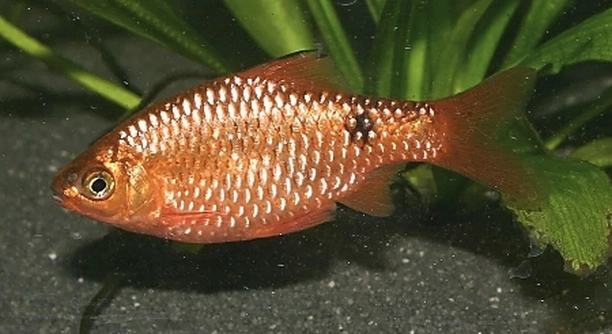
Are your rosy barbs always hiding in the back, making it hard to enjoy their bright colors and playful energy?
Rosy barbs tend to stay near the back due to stress, poor tank layout, or lack of stimulation. Encouraging them to come forward involves adjusting tank conditions, improving enrichment, and reducing environmental stressors that may be holding them back.
Simple changes can shift their behavior and make your tank more lively and interactive. Let’s explore how these tricks can help.
Rearrange the Tank Layout
A cluttered or poorly structured tank can make rosy barbs feel insecure. When the front of the aquarium lacks hiding spots or visual appeal, they tend to retreat to areas that feel safer. To fix this, place tall plants or decorations toward the back and sides, leaving the center and front more open. Add a few low-lying structures near the front to give them cover while still encouraging movement into visible areas. Use smooth rocks, driftwood, or live plants like Java fern to soften the space. Lighting also plays a role—avoid harsh lighting and opt for a gentle, evenly spread glow. A thoughtful layout makes the fish feel more confident and active. This also lets you enjoy their bright colors without disturbing them. Keep things natural, and regularly monitor their reactions when rearranging. A balanced, open space will invite them to explore the front more often.
Minor adjustments in layout can lead to noticeable behavior changes.
A better layout helps the fish feel more secure and confident. Once they feel safe, they naturally become more curious and interactive. This approach is simple, yet often overlooked. Focus on opening space while maintaining subtle hiding zones to bring your rosy barbs forward more often.
Use Targeted Feeding Techniques
Feeding is one of the easiest ways to draw shy fish out.
Start by choosing a feeding spot near the front of the tank and stick to that location consistently. This builds a habit. Rosy barbs are smart and learn routines quickly. Use slow-sinking pellets or flakes that float long enough to keep them at the surface in visible areas. When you feed, stand still and remain calm. Gradually shorten the distance between you and the tank so they associate your presence with food. If some fish still hang back, use a feeding ring placed near the front to concentrate the food. For larger tanks, feeding in two small portions a few minutes apart can help draw out shy fish after the bold ones have moved away. Avoid overfeeding, as uneaten food can reduce water quality and increase stress. Keep feeding times regular and brief. With time, your rosy barbs will start swimming forward when they sense feeding time is near.
Reduce Reflections and Glare
Strong lighting or highly reflective surfaces can startle rosy barbs and keep them near the back. Reflections make the tank feel crowded, especially if the fish mistake them for other fish invading their space.
To reduce reflections, start by adjusting the room’s lighting. Avoid placing the tank where it catches direct sunlight or faces bright windows. Use a background on the tank—dark colors work best to soften reflections and provide a sense of depth. Dim the room slightly during feeding and observation to help the fish feel less exposed. If the tank light is too bright, try switching to a lower intensity bulb or one with a warmer tone. You can also tilt the tank light slightly forward to reduce surface glare. Cleaning the glass regularly also minimizes unexpected reflections. These small efforts help create a calmer space that encourages the fish to swim freely, especially near the front.
Some fish are more sensitive to visual disturbances than others. If your rosy barbs react strongly to movement or light changes, consider using a side curtain or adjustable room lighting. You don’t need to darken the entire room—just create a more stable, controlled visual environment. Over time, this stability will make them more confident and visible.
Add More Visual Stimulation
Rosy barbs stay more active and visible when their environment keeps them engaged. Lack of variety can lead to boredom, and bored fish are less likely to explore open spaces.
Include items that encourage movement and curiosity, like floating plants, gentle bubble wands, or slow-moving tank mates. Avoid fast or aggressive species that could intimidate them. Changing small elements regularly, like rearranging ornaments or introducing a new safe object, can refresh their interest. Movement is especially helpful—fish often follow shifting bubbles or the gentle sway of floating plants. Try rotating decor pieces once a month without drastically changing the layout. Variety makes their environment feel more interactive. Adding visual interest promotes healthy behavior, makes them feel safe, and helps them associate the front of the tank with comfort and activity.
Keep the Water Parameters Stable
Rosy barbs react quickly to changes in water quality. Sudden shifts in pH, temperature, or ammonia levels can make them retreat. Test the water regularly and keep conditions within their ideal range to reduce stress and encourage front-tank activity.
Use a heater and thermometer to maintain stable temperatures. Perform partial water changes weekly and avoid overfeeding, which can pollute the tank. Keep filters clean but avoid over-cleaning, as that can disturb beneficial bacteria.
Create a Calm External Environment
Limit sudden movements around the tank and reduce loud sounds in the surrounding space. Constant activity can cause stress and keep them hiding.
Add Tank Mates That Swim Up Front
Choose peaceful species that naturally swim near the front. When rosy barbs see others confidently exploring that area, they may follow. Avoid aggressive or overly active fish, as they may cause more stress than encouragement.
Why do my rosy barbs hide in the back of the tank?
Rosy barbs often stay at the back because they feel insecure or stressed. Factors like poor tank layout, bright lights, or sudden movements can make the front seem unsafe. They might also be avoiding aggressive tank mates or reacting to reflections on the glass. Adjusting these elements can help them feel more comfortable and encourage front-tank activity.
How can I make my rosy barbs less shy?
Create a stable, calm environment with consistent lighting and minimal noise. Provide hiding spots but leave open areas near the front. Feeding near the front regularly helps build trust and draws them forward. Adding gentle tank mates can also encourage them to explore more. Avoid sudden changes that could increase stress.
Is tank size important for rosy barbs to come forward?
Yes, tank size and space arrangement affect their comfort. In cramped tanks, fish often hide due to lack of space. A larger, well-organized tank with clear swim paths lets them move freely and reduces territorial stress. Ensure the tank is at least 20 gallons for a small group to encourage natural behavior.
Can lighting affect their position in the tank?
Lighting plays a big role. Bright, direct light can scare shy fish into hiding. Using softer or adjustable lighting helps them feel safer. Placing the tank away from windows or direct sunlight prevents glare and reflections that can stress the fish. Dimming the light during feeding times also encourages movement toward the front.
Will rearranging decorations help?
Yes, rearranging can boost their confidence. Keeping the front open with some low hiding spots helps. Tall plants or decorations in the back provide security, while open spaces invite exploration. Changing decor occasionally can refresh their interest and reduce boredom, encouraging them to swim forward more often.
What role does water quality play?
Stable water parameters are crucial. Fluctuations in temperature, pH, or ammonia levels cause stress and hiding. Regular water tests and maintenance, like partial water changes, keep the environment healthy. Clean, well-filtered water helps fish feel safe, which supports active, visible behavior.
Should I add other fish to encourage rosy barbs to come forward?
Adding peaceful tank mates that swim openly can encourage rosy barbs to do the same. Avoid aggressive or overly active species that might intimidate them. Compatible companions can create a more dynamic environment, reducing shyness. Monitor interactions to ensure all fish coexist comfortably.
How often should I feed to help bring rosy barbs forward?
Feed small amounts two to three times daily in the same spot near the front. This consistency builds a routine, helping fish associate that area with food and safety. Avoid overfeeding, which can pollute water and cause health problems.
What type of food works best for this?
Slow-sinking pellets or flakes that stay near the surface longer encourage fish to stay visible while eating. Live or frozen foods like brine shrimp or daphnia add variety and stimulate natural hunting behavior, which can increase their activity and confidence.
Can reflections on the tank glass affect their behavior?
Yes, reflections can confuse or stress rosy barbs, making them hide. Reflections may look like other fish or threats, causing defensive behavior. Using a dark background and controlling room lighting reduces this issue. Regular glass cleaning also helps minimize reflections.
Does noise outside the tank influence them?
Loud or sudden noises create stress, leading shy behavior. Keeping the tank in a quiet, stable area encourages calmness. Sudden vibrations or frequent tapping on the glass should be avoided to maintain a peaceful environment.
What’s the best way to introduce changes to the tank?
Make small changes gradually. Sudden moves or new decorations can startle fish. Slowly adjust lighting, rearrange plants, or add new objects over days to let them adapt comfortably. This reduces stress and promotes exploration.
How long does it take for rosy barbs to come to the front?
Time varies, but with proper care, many start exploring the front within a few days to weeks. Patience and consistency with tank setup, feeding, and calm environment are key to encouraging this behavior. Regular observation helps track progress.
Is stress the main reason they avoid the front?
Stress is a common reason, but boredom, tank size, or social hierarchy also affect positioning. Addressing these areas together improves their overall confidence and presence near the front.
Can temperature changes affect their activity level?
Yes, temperature outside their ideal range slows metabolism and activity. Rosy barbs prefer 64-72°F (18-22°C). Keeping temperature stable encourages natural behavior, including swimming near the front. Sudden drops or spikes cause hiding and lethargy.
What should I avoid doing to keep them from hiding?
Avoid loud noises, rapid tank movements, overfeeding, and aggressive tank mates. Don’t rearrange the tank suddenly or change water parameters without care. Consistency and calmness support visibility and natural behavior.
Rosy barbs are lively fish that add color and movement to any aquarium. However, it can be frustrating when they stay hidden at the back of the tank. Several factors influence their behavior, including tank layout, lighting, water quality, and social environment. Paying attention to these details makes a big difference. Creating a balanced environment that meets their needs helps them feel safe and encourages them to explore more openly. With a little patience and consistent care, it is possible to enjoy seeing them swim confidently near the front.
Small changes can have a strong impact. Rearranging decorations to provide both hiding places and open areas invites rosy barbs to come forward. Feeding them regularly in the same spot builds positive habits and trust. Maintaining stable water parameters reduces stress and improves their overall health. Adjusting lighting to avoid glare and reflections also helps. Adding gentle, compatible tank mates can encourage social behavior and bring more activity to the visible parts of the tank. Each of these steps contributes to a calmer, more inviting home for the fish.
It is important to remember that every tank and fish group is unique. What works for one setup might need adjustment in another. Observing the fish closely and making gradual changes is the best way to find the right balance. Avoid rushing or making too many changes at once, as this can increase stress. By providing a stable and stimulating environment, you give your rosy barbs the best chance to show their natural, colorful behavior. In time, they will become more visible, adding enjoyment and life to your aquarium.

Hello,
If you enjoy the content that we create, please consider saying a "Thank You!" by leaving a tip.
Every little bit helps us continue crafting quality advice that supports the health, happiness, and well-being of pets around the world, for pets of all shapes, sizes, and species.
We really appreciate the kindness and support that you show us!