
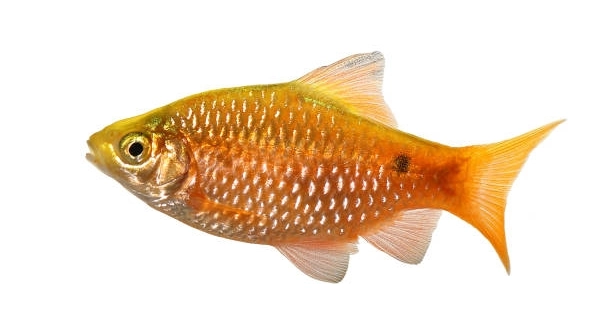
Rosy Barb watching is a relaxing hobby for many fish enthusiasts. It offers a chance to enjoy the colors and behaviors of these lively freshwater fish. Learning a few simple tricks can make the experience even more rewarding.
Making Rosy Barb watching more fun involves enhancing their environment, understanding their social behaviors, and using observation techniques. Proper tank setup, varied feeding, and recognizing signs of health all contribute to a better viewing experience.
These tips will help you appreciate your Rosy Barbs even more and create a more engaging aquarium environment. Small changes can make a big difference in your daily fish-watching routine.
Create a Comfortable Tank Environment
A good tank setup is the foundation of enjoyable Rosy Barb watching. These fish thrive in a spacious tank with plenty of plants and hiding spots. A minimum of 20 gallons is recommended to give them room to swim freely. Adding live plants not only beautifies the tank but also provides a natural environment that reduces stress. Proper water conditions are crucial. Keep the temperature between 72 and 79 degrees Fahrenheit and maintain a neutral to slightly acidic pH around 6.5 to 7.0. Regular water changes and a reliable filter will keep the water clean and clear, making it easier to see your fish. Proper lighting helps highlight the Rosy Barbs’ bright colors, but avoid harsh lights that may cause them to hide.
Tank decorations should be safe and smooth to avoid injuries. Open spaces combined with dense plant areas let the fish choose where they feel comfortable, improving their natural behavior.
Keeping the tank environment healthy and natural will encourage your Rosy Barbs to display their best colors and behaviors.
Setting the right conditions allows you to enjoy your fish without worry and ensures they stay active and vibrant.
With the right setup, watching Rosy Barbs becomes a relaxing and visually pleasing experience that brings life to any room.
Observe Their Social Behaviors
Rosy Barbs are social fish and feel safest in groups of six or more. Watching how they interact is part of the fun.
When kept in groups, Rosy Barbs show more natural behavior, such as schooling and playfulness. They establish a social order but rarely become aggressive if space is enough. Individual fish often swim together or chase each other gently, which can be entertaining to watch. Recognizing their social signals, like fin flaring or chasing, helps understand their moods. When stressed or uncomfortable, they may hide or lose color, so group dynamics can signal health and comfort. This knowledge allows better care and a deeper connection to your fish.
Social interaction is key to keeping Rosy Barbs active and colorful. Observing these behaviors brings a new level of enjoyment to your aquarium time.
Use Varied Feeding Techniques
Feeding your Rosy Barbs different foods can keep them interested and active. Mix flakes, pellets, and live or frozen treats like bloodworms or brine shrimp for a balanced diet.
Offering a variety of foods not only improves their health but also makes feeding time more engaging. Rosy Barbs enjoy moving targets, so try feeding them with tweezers or dropping food in different spots of the tank. This encourages natural foraging behavior and keeps them alert. Changing feeding methods occasionally helps avoid boredom and promotes vibrant colors. Pay attention to how much they eat and avoid overfeeding, which can cloud the water and harm their health.
Feeding can be a lively part of the day. Watching your fish chase food or compete gently for treats adds excitement to tank time. Feeding in different ways invites you to observe their personalities closely and strengthens your connection to them.
Maintain Proper Water Quality
Good water quality is essential for your Rosy Barbs’ well-being and color. Regular water tests help keep levels of ammonia, nitrites, and nitrates in check.
Keep a schedule for partial water changes, about 20 to 30 percent weekly, to remove waste and toxins. Use a good filter to maintain water clarity and oxygen levels. Avoid sudden changes in temperature or pH, which can stress the fish and dull their colors. Clean the substrate regularly to prevent buildup of harmful debris. Testing kits make it easy to monitor water parameters and act quickly if something goes wrong. Clear, stable water encourages healthy, active fish that show off their bright red and orange hues. Maintaining water quality is key to enjoying lively and colorful Rosy Barbs every day.
Introduce Interesting Tank Mates
Choosing compatible tank mates can make watching Rosy Barbs more lively. Avoid aggressive or very large fish that may stress them.
Small, peaceful fish like danios or tetras complement Rosy Barbs well. Their interaction adds variety without causing conflict.
Use a Quality Aquarium Light
A good aquarium light enhances the vibrant colors of Rosy Barbs. LED lights with adjustable brightness are ideal for this purpose.
Proper lighting mimics their natural environment and encourages natural behavior. It also helps plants grow, creating a healthy tank atmosphere.
Create Hiding Spots
Rosy Barbs feel safer with places to hide when stressed. Adding caves, plants, or decorations provides shelter and comfort.
These hiding spots help reduce aggression and encourage natural behavior, making your fish more active and colorful.
FAQ
How often should I feed my Rosy Barbs?
Feeding Rosy Barbs once or twice a day is enough. Give them only what they can eat in about two minutes. Overfeeding can cause water quality problems and health issues for the fish. A varied diet keeps them healthy and colorful.
What tank size is best for Rosy Barbs?
A tank of at least 20 gallons is recommended for a small group of Rosy Barbs. They are active swimmers and need space to move freely. Larger tanks allow for better water stability and room for plants and decorations, which helps them feel secure.
Can Rosy Barbs live with other fish?
Yes, Rosy Barbs are social and generally peaceful, but they do best with other non-aggressive fish. Avoid very small or slow-moving fish that might get bullied. Compatible tank mates include danios, tetras, and some peaceful bottom dwellers.
What water conditions do Rosy Barbs prefer?
Rosy Barbs thrive in water temperatures between 72 and 79 degrees Fahrenheit. The pH should be neutral to slightly acidic, around 6.5 to 7.0. Stable water conditions with regular changes help keep them healthy and active.
How can I tell if my Rosy Barb is stressed?
Signs of stress include hiding often, loss of color, and reduced activity. Stress can come from poor water quality, aggressive tank mates, or sudden changes in the tank environment. Improving water quality and tank setup usually helps.
What type of food should I feed Rosy Barbs?
Feed a mix of flakes, pellets, and occasional live or frozen foods like bloodworms or brine shrimp. This variety provides balanced nutrition and keeps them interested. Avoid feeding only one type of food to prevent nutritional gaps.
Do Rosy Barbs need plants in their tank?
Live plants are beneficial for Rosy Barbs. They offer hiding places, improve water quality, and make the tank look natural. Plants also help reduce stress and encourage natural behavior in the fish.
How often should I change the water?
Change about 20 to 30 percent of the water every week. This removes waste and toxins, keeping the environment clean and healthy. Use a water conditioner to remove chlorine or harmful chemicals in tap water before adding it to the tank.
Can Rosy Barbs jump out of the tank?
Yes, Rosy Barbs can jump, especially if startled or stressed. Always use a secure lid or cover on the tank to prevent escapes and injuries.
What is the lifespan of Rosy Barbs?
Rosy Barbs usually live between 5 and 7 years with proper care. Good water quality, a balanced diet, and a peaceful environment help them live longer and stay healthy.
Rosy Barbs are lively and colorful fish that bring energy to any aquarium. Watching them swim and interact can be a calming and enjoyable part of the day. Making small improvements to their environment and care routine can greatly increase the pleasure of keeping these fish. From setting up the tank properly to feeding them a varied diet, each step helps your Rosy Barbs stay healthy and active. Taking time to observe their behavior also adds to the fun and can help spot any problems early. These fish show their best colors and personalities when their needs are met.
Creating a balanced environment is important for Rosy Barbs. They do well in tanks with plenty of swimming space, live plants, and places to hide. Clean water with stable temperature and pH levels keeps them feeling safe and comfortable. Grouping them with compatible fish can also bring more life to the tank without causing stress. Lighting plays a role too, as it enhances their colors and supports plant growth. When these factors come together, the tank becomes a healthy, vibrant place for the fish to thrive.
Caring for Rosy Barbs can be simple with some basic knowledge and regular attention. Feeding them a mix of foods keeps their diet balanced and interesting. Regular water changes and tank maintenance help prevent health issues and keep the environment clear. Watching their social behavior is rewarding and helps strengthen your connection to the fish. Overall, these small efforts lead to a more enjoyable and satisfying experience. With proper care, Rosy Barbs can brighten your aquarium and bring joy for many years.

Hello,
If you enjoy the content that we create, please consider saying a "Thank You!" by leaving a tip.
Every little bit helps us continue crafting quality advice that supports the health, happiness, and well-being of pets around the world, for pets of all shapes, sizes, and species.
We really appreciate the kindness and support that you show us!