
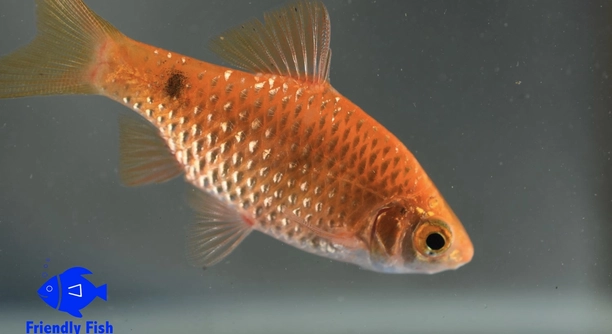
Rosy barbs are lively freshwater fish that bring color and movement to home aquariums. Keeping them engaged daily supports their health and natural behavior. Their active nature means they need interaction and stimulation beyond basic care.
Maintaining daily engagement for rosy barbs involves providing varied environments, regular feeding routines, and opportunities for natural behaviors. Structured interaction reduces stress and promotes well-being, ensuring these fish remain active and healthy in captivity.
This article explains simple tricks to help maintain your rosy barbs’ interest and activity each day. These practical tips support a better environment for your fish to thrive.
Create a Stimulating Environment
Rosy barbs thrive in environments that offer variety and complexity. Adding plants, rocks, and decorations gives them places to explore and hide. Live plants not only enhance the aquarium’s appearance but also improve water quality. Moving elements like floating plants or gentle water currents can catch their attention, encouraging natural swimming behaviors. Make sure the tank is large enough to allow for swimming space. A crowded tank may cause stress and reduce activity. Changing the setup occasionally can also keep your fish curious without disturbing their comfort. Proper lighting that mimics a natural day and night cycle helps regulate their behavior. Avoid sudden bright lights or darkness to prevent startling them. Overall, a well-thought-out tank setup is key to keeping rosy barbs engaged and healthy.
Consistent tank maintenance supports this environment by keeping water clean and safe. Regular water changes and filter checks prevent buildup of harmful substances.
A stimulating environment plays a major role in daily activity for rosy barbs. It promotes natural behaviors, reduces boredom, and helps them remain vibrant and lively. Small adjustments to the tank’s layout or additions can have a noticeable impact on their well-being and engagement.
Establish a Regular Feeding Routine
Feeding rosy barbs on a regular schedule encourages anticipation and activity. These fish respond well to consistent feeding times, which helps establish a routine. Feeding small portions several times a day mimics their natural grazing habits and prevents overfeeding. Using a variety of foods such as flakes, pellets, and live or frozen options provides balanced nutrition and maintains their interest. Avoid sudden changes in diet that may cause stress or digestive issues. Watching them eat can be a form of interaction, which also keeps them mentally stimulated. Overfeeding can lead to water quality problems, so stick to recommended amounts. Feeding time should be a calm, focused moment rather than rushed or chaotic. This practice supports both physical health and daily engagement for your rosy barbs.
Encourage Social Interaction
Rosy barbs are naturally social fish that enjoy being part of a group. Keeping them in schools of at least six helps reduce stress and encourages natural behaviors.
When housed together, rosy barbs interact by chasing, swimming in groups, and establishing mild social hierarchies. This interaction keeps them active and mentally stimulated. Isolated fish often become shy or lethargic. Group dynamics promote movement and playfulness. It is important to avoid overcrowding, as too many fish can lead to aggression and poor water quality. A balanced group size ensures peaceful coexistence and better health. Social interaction supports their well-being and daily engagement, making them lively additions to your tank.
Providing an environment that encourages social behavior helps your rosy barbs feel secure and content. Watching their interactions can be rewarding and shows they are thriving.
Use Feeding Tools to Boost Activity
Feeding tools like floating feeders or feeding rings focus your rosy barbs’ attention during mealtime. This adds a controlled challenge that encourages movement and alertness.
These tools help prevent food waste by keeping food in a specific area, reducing mess and maintaining water quality. They also promote a natural foraging behavior as fish compete gently for food. Floating feeders are especially useful for surface feeders like rosy barbs, allowing you to observe their feeding habits closely. This method stimulates their minds and bodies by turning feeding into an interactive event. Using such tools regularly can increase their activity levels throughout the day.
Feeding with tools adds a purposeful routine that keeps your fish engaged and interested in their daily environment. It is a simple but effective way to enhance their well-being.
Provide Varied Diet Options
Offering a mix of foods keeps rosy barbs interested and healthy. Including flakes, pellets, and occasional live or frozen foods adds variety.
Different foods supply essential nutrients that support their energy and coloration. Rotating food types prevents boredom and promotes natural feeding behavior.
Maintain Proper Water Conditions
Stable water parameters are essential for rosy barbs’ well-being and activity. Regular testing and adjustments prevent stress and illness. Clean water encourages natural swimming and social interaction, keeping fish lively and engaged.
Introduce Light Changes Gradually
Sudden lighting changes can startle rosy barbs. Adjust light levels slowly to avoid stress. Gradual changes help fish adapt comfortably to their environment, maintaining their calm and active behavior.
FAQ
How many rosy barbs should I keep together?
Rosy barbs are schooling fish that feel most comfortable in groups. Keeping at least six together helps them show natural behaviors and reduces stress. Smaller groups can lead to shyness or aggression, while very large groups might overcrowd the tank. Balance is important for their health and activity.
What type of food is best for rosy barbs?
A varied diet works best. High-quality flakes or pellets form the main diet, while live or frozen foods like brine shrimp or bloodworms add nutrition and interest. Rotating foods helps maintain their appetite and supports bright coloration. Avoid overfeeding to keep water clean.
How often should I feed my rosy barbs?
Feeding two to three times a day with small portions is ideal. This schedule mimics natural feeding habits and keeps fish active. Overfeeding can cause health problems and dirty water, so feed only what they can consume in a few minutes.
What water conditions do rosy barbs need?
Rosy barbs prefer a temperature between 64°F and 72°F (18°C–22°C), a pH around 6.5 to 7.5, and moderate hardness. Stable water conditions with regular changes keep them healthy and energetic. Test water weekly and adjust as needed.
Can rosy barbs live with other fish?
Yes, they are peaceful but active fish that do well with similar-sized tank mates. Avoid slow-moving or very small fish that might get stressed. Good companions include danios, tetras, and some livebearers. Always monitor for any signs of aggression.
Why are my rosy barbs not very active?
Inactivity may be caused by poor water quality, lack of stimulation, or illness. Check water parameters, ensure a varied environment, and observe their behavior closely. If inactivity continues, consider consulting a specialist.
How important is tank size for rosy barbs?
A minimum of 30 gallons is recommended for a small school of rosy barbs. Larger tanks allow more swimming space and reduce stress. Crowded tanks limit movement and increase aggression, affecting their health.
Do rosy barbs need plants in their tank?
Live or artificial plants offer hiding spots and reduce stress. They also provide visual interest and encourage natural exploration. Plants contribute to better water quality and help create a more comfortable environment for your fish.
What should I do if my rosy barbs show signs of illness?
Quarantine sick fish if possible to prevent spreading disease. Maintain good water quality and consider treatments based on symptoms. Prompt action helps recovery and keeps the whole tank healthy.
Can lighting affect rosy barbs’ behavior?
Yes, lighting influences activity and stress levels. Gradual changes in light intensity are best to avoid startling the fish. A natural day-night cycle supports regular behavior patterns and keeps fish engaged.
These answers cover common concerns and help support the daily health and activity of rosy barbs in home aquariums.
Keeping rosy barbs engaged daily is important for their health and happiness. These fish are naturally active and social, so providing a good environment helps them stay lively. A well-maintained tank with enough space, plants, and decorations offers places for exploration and hiding. This kind of setting encourages natural behaviors, which keeps the fish interested and reduces stress. It is also important to maintain proper water conditions by testing regularly and making sure the temperature and pH are suitable. Clean, stable water helps rosy barbs feel comfortable and behave normally.
Feeding routines play a key role in keeping rosy barbs active. Offering a variety of foods such as flakes, pellets, and occasional live or frozen treats keeps their diet balanced and prevents boredom. Feeding smaller portions multiple times a day mimics their natural feeding habits and encourages regular movement. Using feeding tools like floating feeders can add interest and make feeding time more interactive. This not only helps with activity but also reduces food waste and keeps the tank cleaner. Consistency in feeding and care routines helps rosy barbs build trust in their environment and stay engaged throughout the day.
Social interaction is another important factor for rosy barbs. These fish do best in groups of at least six, where they can swim together, establish social bonds, and display natural behaviors. Isolated fish often become less active and shy. Keeping a proper number of fish prevents stress and aggression while promoting playful activity. Lighting should also be managed carefully, with gradual changes to avoid startling the fish. Overall, a combination of a stimulating environment, regular feeding, stable water conditions, and social opportunities supports the well-being of rosy barbs. Paying attention to these factors helps ensure that they remain vibrant and active companions in your aquarium.

Hello,
If you enjoy the content that we create, please consider saying a "Thank You!" by leaving a tip.
Every little bit helps us continue crafting quality advice that supports the health, happiness, and well-being of pets around the world, for pets of all shapes, sizes, and species.
We really appreciate the kindness and support that you show us!