
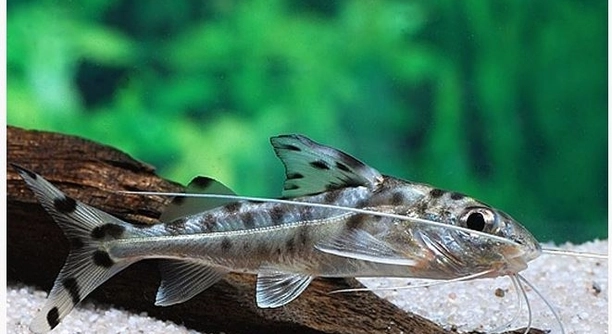
Are your pictus catfish swimming in circles or hiding for long periods without much interaction or movement throughout the day?
Pictus catfish can get bored in unstimulating environments, which may lead to stress, decreased activity, and unusual behavior. Keeping them mentally and physically engaged through varied tank setups and interactive elements helps maintain their overall well-being.
Adding new hiding spots, changing décor, or adjusting lighting can all make a difference in keeping their habitat engaging and stress-free.
Rearrange the Tank Layout Regularly
Changing the layout of your tank every few weeks can keep pictus catfish curious and active. These fish are naturally inquisitive and benefit from a dynamic environment. Move driftwood, rotate rocks, or switch out plants to encourage exploration. This helps them stay mentally stimulated and reduces repetitive swimming patterns. Avoid major disruptions—small changes are enough to spark their interest. Stick to safe, smooth decorations and make sure hiding spots are still available. You’ll likely notice a quick response as they investigate the updates. This simple strategy keeps them from falling into a dull routine.
Shifting decorations gives your catfish something new to explore without stressing them. Just be consistent with water quality and lighting to avoid sudden shocks.
A well-structured tank change doesn’t require anything fancy. You can swap positions of existing elements or add a new cave. Even rearranging plants helps. Just remember to maintain safe pathways and shaded areas to avoid overwhelming them. Avoid bright, reflective objects that may stress them out. Focus on creating a balance between open swimming space and covered spots for rest. If you notice increased activity after a change, that’s a good sign your setup is helping. Small rearrangements, done regularly, are one of the easiest ways to maintain a stimulating aquatic space.
Introduce Tank Mates Carefully
Pictus catfish often enjoy having compatible tank mates around. It encourages social behavior and keeps them more active during the day.
When choosing tank mates, focus on peaceful species that can handle the pictus catfish’s fast, active swimming. Avoid fish with long fins or slow swimmers. Mid-sized schooling fish like giant danios, silver dollars, or peaceful barbs are better choices. These types move enough to engage your catfish without triggering aggression. Introduce new tank mates slowly and monitor interactions closely in the first few days. Keep the tank spacious, with plenty of hiding places, so each species can retreat when needed. Overcrowding will increase stress, which makes boredom worse. Feeding time can also become more lively and engaging when there’s healthy competition for food. This adds stimulation without causing conflict. Be mindful of water parameters—any new fish should thrive in similar conditions. Adding the right fish can make the tank more active and engaging for everyone.
Rotate Their Toys and Decorations
Pictus catfish respond well to novelty. Rotating tank items like tunnels, artificial plants, and caves every few weeks can help keep them mentally stimulated and prevent behavioral issues related to boredom.
You don’t need to buy new toys often. Simply swap existing ones or rotate their positions. Use smooth-edged tunnels, floating plants, or PVC tubes to create fresh zones of interest. Moving decorations to different corners or adding temporary objects like leaf hammocks or ceramic pots can make familiar surroundings feel new. Just be sure all additions are safe and free from sharp edges. Avoid crowding the tank—space is still important for swimming. Watch how your catfish respond to each change and remove anything they avoid. By keeping their setup interesting, you’re more likely to see active, curious behavior.
Try creating temporary obstacle areas or playful hiding zones using rocks or driftwood. You can even experiment with different lighting to highlight new features. When fish explore and interact with different elements, it’s a sign that they’re engaged and not falling into dull routines. Some catfish even show more confidence when a fresh space is introduced. These shifts don’t need to be dramatic—small updates can keep their attention and reduce signs of lethargy or restlessness in the tank.
Vary Their Feeding Routine
Feeding your pictus catfish at different times and changing how food is offered can create excitement. This approach can boost energy levels and prevent them from losing interest in their surroundings.
Offer a mix of sinking pellets, frozen bloodworms, and occasional live foods like brine shrimp or blackworms. Rotate these options to stimulate their natural hunting instincts. You can also scatter food across different parts of the tank rather than placing it in the same spot. Feeding tools like tongs or floating rings can create additional challenge and movement. Try feeding in the early morning some days, then switch to late evening now and then. Make sure their diet remains balanced—too much protein too often can cause issues. If you notice more active swimming or foraging behaviors, your changes are working. The key is variety without overfeeding or causing water quality problems. Keep everything consistent, except the timing and delivery style.
Add a Stronger Water Current
Pictus catfish enjoy moving water. A slightly stronger current can encourage them to swim more, which helps reduce boredom. Use a powerhead or adjust your filter outflow to create a steady, gentle flow across the tank.
Make sure the current isn’t too strong. There should still be calm areas where your catfish can rest. Placing decorations to break up the flow helps balance movement and comfort. A well-directed current mimics river-like conditions they naturally enjoy.
Use a Background With Movement
Adding a background with gentle motion—like a bubbling curtain or a filter waterfall—can catch your catfish’s attention. These subtle movements create visual changes that may encourage more activity and observation. Keep it soft and steady to avoid stress or overstimulation.
Keep Lighting Gentle and Varied
Pictus catfish are sensitive to harsh lighting. Using dimmable lights or cycling between brighter and softer phases throughout the day keeps them comfortable and alert. You can also include floating plants to filter light naturally. A peaceful lighting setup helps them stay active without feeling exposed or stressed.
FAQ
How often should I rearrange the tank to keep my pictus catfish interested?
Rearranging the tank every three to four weeks is usually enough to maintain your pictus catfish’s interest. This schedule prevents their environment from becoming too predictable while avoiding excessive stress from constant changes. Small shifts, like moving decorations or adding new hiding spots, work best.
Can I add any fish as tank mates with pictus catfish?
Not all fish are suitable tank mates for pictus catfish. Choose peaceful, similarly sized fish that are active swimmers but won’t nip fins or stress your catfish. Good options include giant danios, silver dollars, and some peaceful barbs. Avoid slow-moving or long-finned fish to prevent conflicts.
What types of food keep pictus catfish engaged?
Vary their diet with sinking pellets, frozen bloodworms, and occasional live foods like brine shrimp or blackworms. Rotating food types encourages natural foraging behavior and keeps mealtime interesting. Avoid overfeeding, and try scattering food around the tank to promote activity.
Is a strong water current beneficial for pictus catfish?
Yes, pictus catfish thrive in moderate water currents that simulate their natural river habitat. However, the flow should not be too strong to cause stress. Providing areas with calmer water helps balance their need for movement and rest.
How does lighting affect pictus catfish behavior?
Pictus catfish prefer gentle, dimmable lighting or natural light filtered through plants. Harsh or constant bright light can stress them and reduce activity. Adjusting light intensity during the day encourages natural behaviors and helps keep them alert.
Will rotating tank decorations stress my pictus catfish?
If done carefully, rotating decorations usually does not stress pictus catfish. Changes should be gradual and include familiar hiding spots. Avoid removing all cover at once, as sudden loss of shelter can cause anxiety.
What signs show my pictus catfish is bored or stressed?
Signs include lethargy, hiding excessively, repetitive swimming patterns, or loss of appetite. Sometimes they may dart quickly or show unusual aggression. If you notice these behaviors, it may be time to introduce changes to their environment or routine.
Can I keep pictus catfish alone, or do they need companions?
Pictus catfish are social but not schooling fish. They often do better with at least one or two companions of the same species or peaceful tank mates. Being alone can lead to boredom and stress, so providing company is generally recommended.
How can I safely introduce new tank mates to prevent stress?
Introduce new fish slowly by placing them in a quarantine tank first. When moving them into the main tank, rearranging the environment beforehand helps reduce territorial behavior. Monitor interactions closely for the first week to spot any aggression or stress.
What are the best hiding spots for pictus catfish?
Pictus catfish appreciate caves, driftwood tunnels, and dense plant clusters. Use smooth rocks and artificial or live plants to create secure areas. These hiding spots help them feel safe and encourage natural resting behaviors without hiding out of fear.
Final thoughts are important when caring for pictus catfish to ensure they remain healthy and happy. These fish need a well-balanced environment that offers both stimulation and comfort. Boredom can cause stress, which affects their health and behavior. Regular changes to their tank, such as rearranging decorations or varying their feeding routine, help keep them active. It is also important to provide hiding spots where they can rest and feel secure. A good balance between open swimming areas and places to hide will improve their overall well-being.
Providing the right tank mates can make a big difference in keeping pictus catfish engaged. They prefer peaceful companions that share similar swimming habits without causing stress. Introducing new fish slowly and monitoring their behavior helps prevent conflicts. Additionally, maintaining good water quality and moderate water flow mimics their natural habitat, encouraging natural movement and reducing boredom. Lighting also plays a role, as soft and varied light conditions help them feel comfortable and alert without causing anxiety.
Overall, keeping pictus catfish from getting bored requires simple but consistent care. Small adjustments in their environment, diet, and social settings can greatly improve their mental and physical health. Observing their behavior and making changes when needed ensures they stay active and content. This approach not only enhances the fish’s quality of life but also makes the aquarium more enjoyable to watch. Careful attention to their needs will create a balanced, stimulating habitat where pictus catfish can thrive.

Hello,
If you enjoy the content that we create, please consider saying a "Thank You!" by leaving a tip.
Every little bit helps us continue crafting quality advice that supports the health, happiness, and well-being of pets around the world, for pets of all shapes, sizes, and species.
We really appreciate the kindness and support that you show us!