
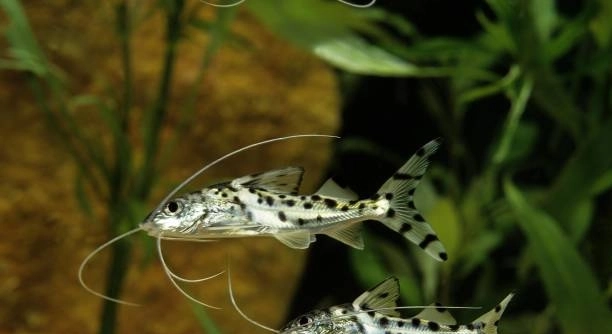
Keeping pictus catfish entertained can improve their well-being and make your aquarium more enjoyable to watch. These active fish thrive when given variety and stimulation in their environment. Simple changes can help keep them engaged daily.
Providing hiding spots, varied tank decorations, and live or frozen foods encourages natural behaviors in pictus catfish. Regular environmental changes and gentle interaction also reduce boredom and promote activity in these lively fish.
Learning easy ways to enhance your pictus catfish’s habitat will help maintain their health and happiness over time. The following tips offer practical ideas to keep these fish busy and content.
Create Hiding Spots and Shelters
Pictus catfish feel safer and more comfortable when they have places to hide. Adding caves, driftwood, or plants gives them spots to explore and rest. These fish naturally seek shelter, so providing several hiding places reduces stress. You can use commercial decorations or natural items from safe sources. Make sure the materials won’t harm your fish or affect water quality. Arranging these shelters at different tank levels encourages swimming and movement. It also helps shy catfish come out more often. Change the placement sometimes to keep their environment interesting. Remember, too many decorations can limit swimming space, so balance hiding spots with open areas. Keeping the tank clean around shelters ensures your catfish stay healthy and active.
Creating these hiding places mimics their natural environment and helps maintain their well-being. It supports their natural instincts while adding variety to the aquarium.
Regularly adjusting shelter spots keeps your pictus catfish curious and exploring their tank more often.
Use Live and Frozen Foods
Feeding pictus catfish live or frozen foods such as bloodworms, brine shrimp, or daphnia encourages natural hunting behaviors. These foods are rich in nutrients and more stimulating than dry flakes or pellets alone. Offering different food types makes feeding time more interesting and engages your fish’s senses. Live foods also improve activity levels, as the fish chase and capture their meals. Frozen foods are a safer alternative when live options aren’t available and still promote similar benefits. Be careful not to overfeed; small portions several times a week are ideal. Variety in their diet supports overall health and vibrant coloration. Including occasional treats like small insect larvae can add excitement to their routine. Feeding in different tank areas can also encourage exploration and movement.
Using these foods provides both nutrition and entertainment, making feeding a key part of your pictus catfish’s stimulation.
Change Tank Decorations Regularly
Changing tank decorations prevents boredom in pictus catfish. It encourages them to explore new areas and stay active. Even small adjustments can make a difference.
Rotating decorations every few weeks stimulates curiosity and natural exploration. Moving plants, rocks, or caves to different spots keeps the environment fresh. Your catfish will investigate new hiding spots and swim routes, which reduces stress. Avoid rearranging too often or drastically, as this can cause confusion. Gradual changes maintain a healthy balance between novelty and stability. You can also add seasonal or themed decorations to keep the tank visually interesting without overwhelming your fish.
When decorations are varied, your pictus catfish will be more engaged with their environment. This helps prevent repetitive behaviors and encourages physical activity, improving their overall well-being.
Provide Gentle Interaction
Pictus catfish benefit from gentle interaction, which can help build trust and reduce stress. Soft movements near the tank or feeding by hand encourage engagement. Avoid sudden or rough motions that scare them. Regular, calm presence makes the fish feel safe.
Consistent interaction helps your pictus catfish recognize you and become more comfortable. They may swim closer or follow your finger along the glass, showing curiosity. This gentle stimulation breaks up monotony and can reduce hiding behavior. Use feeding times to interact calmly without forcing contact. Over time, your fish may become more confident and active during your visits. Interaction also helps you monitor their health and behavior closely. Remember to respect their limits and keep sessions brief to avoid stress.
Gentle interaction, combined with environmental enrichment, creates a balanced, engaging habitat for your pictus catfish, supporting both their mental and physical health.
Introduce Floating Plants
Floating plants add shade and movement, which pictus catfish enjoy. They create a more natural environment and offer hiding spots near the surface. These plants gently sway with water currents, giving your fish something new to explore.
They also help reduce bright light, which can make pictus catfish feel more secure. Floating plants improve water quality by absorbing excess nutrients and reducing algae growth. This creates a healthier tank environment and adds visual interest without taking up bottom space.
Provide Gentle Water Flow
Pictus catfish prefer moderate water flow that mimics their natural river habitats. Gentle currents encourage swimming and help them feel comfortable. Adjust filters or add a small powerhead to create soft water movement without stressing your fish.
Use a Sand Substrate
A soft sand substrate is ideal for pictus catfish. It protects their sensitive barbels while allowing natural digging behavior. Sand also creates a cleaner tank environment and prevents injuries that rough gravel might cause.
Offer Small Groups of Fish
Pictus catfish are social and thrive in small groups. Keeping at least three together encourages natural schooling behavior. This social interaction helps reduce stress and keeps them active.
How often should I change tank decorations for my pictus catfish?
Changing tank decorations every three to four weeks is usually enough to keep pictus catfish interested. This timeframe allows your fish to settle in without causing too much disruption. Small adjustments, like moving plants or rocks, can be done more often if needed. Avoid drastic or daily changes because that can stress your fish and make them hide more. Gradual shifts keep the environment fresh while maintaining stability. Observing your catfish’s behavior will help you decide when to rearrange decorations to keep them curious and active.
Can pictus catfish live with other fish?
Yes, pictus catfish are generally peaceful and can live with other community fish of similar size and temperament. Avoid aggressive or much larger tankmates, as pictus catfish may become stressed or even injured. They do well with tetras, rasboras, or peaceful barbs. Keeping them in groups of three or more also helps their social needs. Just make sure the tank is large enough to provide enough space for all species and hiding spots to reduce competition. Proper compatibility ensures a healthy, calm aquarium environment.
What types of food are best for pictus catfish?
Pictus catfish thrive on a diet rich in protein. Live or frozen foods like bloodworms, brine shrimp, and daphnia are excellent choices. These foods encourage natural hunting behaviors and provide essential nutrients. You can also supplement with high-quality sinking pellets or wafers designed for bottom feeders. Avoid feeding only flakes, as they often float and may not reach the catfish. Variety in diet is important to keep your fish healthy and interested in feeding time. Be careful not to overfeed; small portions twice or thrice weekly are enough.
Do pictus catfish need special lighting?
Pictus catfish prefer moderate to low lighting. Bright light can cause stress and make them hide more often. Using floating plants or dimmable aquarium lights helps create a softer environment. Natural daylight cycles should be mimicked, with about 8 to 10 hours of light daily. This supports normal behavior and overall health. If you have live plants, balance their needs with your catfish’s comfort. Avoid sudden changes in lighting intensity, as this can startle your fish and disrupt their routine.
How important is water flow for pictus catfish?
Water flow plays a significant role in the well-being of pictus catfish. They come from river habitats with gentle currents, so a moderate water flow in the aquarium encourages natural swimming behavior. Too strong a current can tire or stress them, while stagnant water can lead to poor oxygen levels. Adjust your filter or use a small powerhead to create a soft, consistent flow. Observe your catfish’s reactions and tweak the flow to find the right balance for comfort and stimulation.
Can pictus catfish live alone?
While pictus catfish can survive alone, they are naturally social fish and do best in small groups. Keeping at least three together encourages schooling behavior, reduces stress, and makes them more active. A lone pictus catfish may become shy or hide more often. Group living supports their natural instincts and enriches their daily activity. If space or tank size limits the number of fish, try to provide extra environmental enrichment to compensate for less social interaction.
How do I know if my pictus catfish is bored?
Signs of boredom in pictus catfish include hiding for long periods, reduced activity, and repetitive behaviors like swimming back and forth without purpose. They might ignore food or show little interest in their environment. Boredom can also lead to stress, affecting their health. Introducing new hiding spots, varied foods, or gentle interaction can help. Regularly changing tank decorations and adding plants encourages exploration and curiosity. Keeping an eye on your fish’s behavior lets you spot boredom early and take action to improve their quality of life.
What tank size is ideal for pictus catfish?
A minimum tank size of 30 gallons is recommended for pictus catfish, especially if you plan to keep a small group. They are active swimmers and need plenty of space to explore. Larger tanks provide more room for decorations, hiding spots, and swimming paths, reducing stress and encouraging natural behavior. Proper tank size also helps maintain stable water conditions, which is crucial for their health. Consider tank dimensions carefully to ensure your catfish have enough room to thrive comfortably.
How often should I feed my pictus catfish?
Feeding pictus catfish two to three times a week with small portions is ideal. They don’t require daily feeding like some other fish, and overfeeding can cause water quality issues. Offer a mix of live, frozen, and sinking pellet foods to keep their diet balanced. Feeding at different spots in the tank encourages movement and exploration. Monitor their appetite and adjust feeding accordingly. Maintaining a consistent but moderate feeding schedule supports good health and keeps your pictus catfish interested in their food.
Are pictus catfish sensitive to water conditions?
Yes, pictus catfish are sensitive to water quality and need stable parameters to stay healthy. They prefer clean, well-oxygenated water with a temperature between 75 and 81°F (24-27°C) and a pH around 6.5 to 7.5. Regular water changes and proper filtration are essential to remove waste and toxins. Sudden changes in water conditions can cause stress and illness. Testing water regularly helps maintain a safe environment. Keeping their tank clean and stable supports their activity levels and overall well-being.
Keeping pictus catfish entertained is important for their health and happiness. These fish are active and curious by nature, so providing a stimulating environment helps them stay lively. Simple changes like adding hiding spots, feeding live or frozen foods, and gently interacting with them can make a big difference. When their tank offers variety and opportunities to explore, pictus catfish are less likely to become bored or stressed. This leads to a healthier fish and a more enjoyable aquarium experience.
It is also important to maintain good water quality and the right tank conditions for pictus catfish. Clean water, moderate temperature, and gentle water flow support their well-being. Providing a suitable tank size and keeping them in small groups encourages natural behavior. Regularly changing decorations and adding floating plants can help keep the environment interesting. These steps not only entertain your fish but also promote their physical health. Watching your pictus catfish swim actively and interact with their surroundings shows that they are thriving.
Overall, keeping pictus catfish entertained takes some effort but is worth it. When their environment meets their needs, they become more confident and active. Simple tricks like offering different foods, creating hiding places, and adjusting tank decorations encourage natural behaviors. Paying attention to their social needs and water conditions also plays a big role. By focusing on these areas, you can create a balanced and healthy home for your pictus catfish. This helps them live longer, happier lives and makes caring for them more rewarding.

Hello,
If you enjoy the content that we create, please consider saying a "Thank You!" by leaving a tip.
Every little bit helps us continue crafting quality advice that supports the health, happiness, and well-being of pets around the world, for pets of all shapes, sizes, and species.
We really appreciate the kindness and support that you show us!