
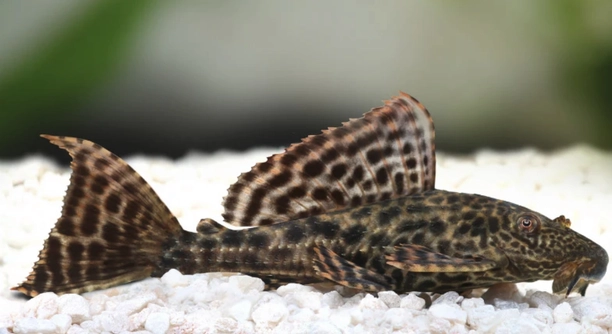
Have you ever brought home new food for your pleco, only to find it untouched and floating around the tank hours later?
The best way to help plecos eat new foods is by introducing changes slowly, replicating natural feeding habits, and ensuring optimal water conditions. This encourages their interest and reduces stress, which often leads to food refusal.
Simple methods like food placement, lighting changes, and using familiar textures can make a big difference when trying new foods.
Start with Familiar Foods
When plecos don’t recognize a new food, they often ignore it. Starting with what they already know can make a difference. Try offering vegetables like zucchini, cucumber, or shelled peas—items that many plecos are used to from the beginning. You can prepare these by blanching them until soft, which helps bring out their natural scent. Once your pleco is eating confidently, you can start mixing in new foods slowly. This step-by-step method makes the transition smoother. Don’t remove the familiar food right away. Keeping it in the tank gives your pleco some comfort while exploring the new option. Change can be stressful for fish, especially bottom dwellers who rely heavily on scent and texture. Observing their behavior during feeding helps you know when they’re ready for the next step. Slowly adjusting their meals is safer than switching everything at once. It’s about making them feel secure.
Give them something they recognize and enjoy before offering something new.
Plecos are cautious eaters. If the new food doesn’t smell right or feel right, they won’t touch it. Mixing the new item with a favorite food can help mask differences in scent or texture, making it more likely they’ll try it.
Use Feeding Clips and Weights
Floating food often goes unnoticed, especially by bottom feeders like plecos.
Using feeding clips or vegetable weights helps keep food anchored where your pleco naturally searches. When food stays in place, it’s easier for them to nibble at their own pace. Clips can hold leafy vegetables like spinach or romaine lettuce securely, while stainless steel or ceramic weights can pin down items like zucchini or sweet potato slices. This prevents food from drifting, which not only improves access but also reduces tank mess. Plecos prefer calm feeding environments, and constantly chasing food around the tank can stress them out. Anchoring food encourages natural grazing behaviors and increases the chances of them trying something new. Make sure the clip or weight is aquarium-safe and free from sharp edges. Feeding tools don’t just help with new foods—they’re also great for keeping all feedings cleaner and more effective. It’s a small change that can help a lot over time.
Try Feeding at Night
Plecos are mostly active when the lights go out. Feeding them during the day doesn’t always work because they may be hiding or resting. Offering food at night matches their natural habits and boosts their interest in eating.
Turn off the aquarium lights and wait 30 minutes before placing the food in the tank. This gives them time to come out of hiding. If you’re introducing something new, like a veggie wafer or soft veggie slice, night is the best time to try. You might not see them eat, but check the food in the morning to see if it’s been touched or moved. Repeating this for several nights helps them get used to the new food and associate nighttime with feeding. Avoid disturbing them with sudden light or movement—let them explore calmly in the dark. Nighttime feedings feel safer for plecos, especially shy ones.
It’s also a good idea to place the food in the same spot each time. Plecos are creatures of habit. They learn where to look for food, and consistency helps them feel more secure. By keeping a regular schedule and location, you’ll make it easier for them to build trust with new foods over time.
Offer Scent-Strong Foods
Strong-smelling foods can quickly grab a pleco’s attention. Foods like algae wafers, blanched garlic-soaked veggies, or even soaked shrimp pellets can be more tempting than bland ones. A strong scent helps plecos find the food faster, especially at night.
To help your pleco accept a new food, try soaking it in garlic juice or fish-safe attractants. Garlic not only draws attention but also has some health benefits. You can also rub new food against an algae wafer to transfer the scent. Another option is to mix crushed algae wafers into soft vegetables. These simple steps give the food a more familiar smell and make it easier for your pleco to recognize it as something safe to eat. Avoid heavily processed foods with artificial additives—those can harm their digestion. Instead, aim for clean, natural options that offer a strong aroma. Smell plays a big role in how they choose what to eat.
Soften the Texture
Some plecos struggle with hard or dry food. Softening pellets or veggies by soaking or blanching can make them more appealing. A softer texture feels safer and is easier for them to nibble on, especially for younger or smaller plecos.
Blanched vegetables like zucchini, spinach, or carrots should bend easily when lifted. For wafers or pellets, soak them in tank water for a few minutes before placing them in the tank. This helps them release scent faster and become easier to chew. Soft textures feel more natural to plecos used to grazing.
Reduce Tank Stress
Stress can stop plecos from eating. Loud noises, sudden lighting changes, or frequent tank rearranging can make them feel unsafe. Make sure your tank has hiding spots like caves or driftwood. Calm surroundings help them feel secure enough to explore and eat.
Avoid Overfeeding the Tank
Too much leftover food in the tank can lead to poor water quality and make plecos uninterested in eating. Feed smaller amounts and remove uneaten food after a few hours to keep the environment clean and healthy.
FAQ
How long does it take for a pleco to accept new food?
It depends on the individual pleco. Some may try new food within a few days, while others take a couple of weeks. Consistency helps. Offer the same food regularly without removing it too soon. Leave it in the tank overnight, especially if you’re feeding after lights out. Plecos are slow, cautious eaters. Keep the water clean and don’t change too many variables at once. Once they feel safe and familiar with the scent, they’re more likely to try it. Patience is key—don’t rush the process or overfeed while waiting.
What if my pleco only eats algae?
That’s common, especially with young plecos or ones new to a tank. Algae is a natural food source, but it’s not enough long-term. Slowly introduce new foods like blanched zucchini or algae wafers. Keep offering the algae-rich foods alongside new items to build interest. Eventually, they may start tasting other options. You can also try smearing a bit of algae or algae wafer on new food to blend the scent. Avoid cleaning the tank glass too often if natural algae helps encourage eating. Still, you’ll need to add variety for proper nutrition.
Do plecos recognize food by sight or smell?
They rely heavily on smell. Plecos are nocturnal and often stay hidden during the day. Their vision isn’t strong in low light, so scent and texture play a bigger role. That’s why soaking or softening food helps. Strong-smelling food grabs their attention more than brightly colored options. Foods with natural odors like garlic, algae, or fish ingredients work better than odorless pellets. If a pleco can’t smell the food, they’ll usually ignore it—even if it’s right in front of them. So always prepare the food in a way that boosts scent.
Can plecos eat meat-based foods?
Yes, but only in moderation. Most plecos are herbivorous or omnivorous, depending on the species. If your pleco is a carnivorous type, like a Panaque or some Hypostomus, then adding protein occasionally is fine. Shrimp pellets, bloodworms, or bits of fish can be offered once a week. For herbivorous plecos like the common bristlenose, stick mostly to veggies and algae-based foods. A little protein now and then won’t hurt, but too much can lead to digestive problems or water issues. Know your pleco’s species before planning their diet.
Why is my pleco ignoring the food I just put in?
There could be a few reasons. The food might be too unfamiliar, too hard, or not placed in the right spot. Stress, poor water quality, or aggressive tank mates could also be factors. Make sure the food is softened and placed where your pleco hangs out. Try feeding at night with the lights off. Also, make sure the food stays in place using clips or weights. If your pleco still refuses to eat after several days, test your water parameters. Poor conditions are one of the top reasons for a sudden change in behavior.
How often should I feed my pleco new foods?
Try once a day, or once every other day, depending on their size and activity. Don’t overwhelm them with too many choices at once. Pick one or two new foods and stick with them for a while. Offer the new food at the same time and place each feeding. Keep an eye on the leftovers. If food isn’t touched after a few hours, remove it. Repeat the process the next day. It’s better to offer small portions frequently than to dump in large amounts that just break down and pollute the tank.
Is it okay if my pleco skips a meal?
Yes, plecos can go a day or two without eating, especially when adjusting to something new. As long as they’re active, not losing color, and the tank conditions are good, a missed meal isn’t a concern. Just keep offering food regularly and watch for changes in behavior. If your pleco refuses food for several days and shows signs of stress—like clamped fins or hiding more than usual—it may be time to check water quality, temperature, and tank mates. Most of the time, they come around with a bit of consistency and patience.
Final Thoughts
Feeding new foods to plecos can take time, but it’s a normal part of keeping them healthy. These fish are cautious by nature and don’t always accept changes quickly. Offering familiar foods first, feeding at night, and using strong scents are all helpful steps. Simple tools like feeding clips or vegetable weights can make a big difference. Try not to get frustrated if your pleco ignores new food at first. Consistency and patience are what really matter. When plecos feel safe in their environment, they’re more open to trying something new.
It’s also important to pay attention to their behavior and eating patterns. If your pleco isn’t eating, look at more than just the food. Check the tank’s temperature, hiding spots, and lighting. Make sure the water is clean and that other fish aren’t stressing them out. A calm tank makes it easier for plecos to explore and eat without feeling threatened. Always keep in mind that different pleco species have different needs. Some eat mostly vegetables, while others may need a bit more protein. Learning about the specific type of pleco you have will help you make better choices with food.
The main goal is to offer a balanced diet that your pleco will actually eat. Over time, with small changes and steady routines, most plecos become more accepting of a variety of foods. Try not to switch things too often or overfeed the tank. Clean up uneaten food to avoid poor water quality. Use feeding as a way to build trust. Once your pleco connects food with safety and comfort, feeding becomes much easier. These small adjustments may not seem big, but they help build better habits. With the right approach, your pleco can stay healthy, active, and well-fed.

Hello,
If you enjoy the content that we create, please consider saying a "Thank You!" by leaving a tip.
Every little bit helps us continue crafting quality advice that supports the health, happiness, and well-being of pets around the world, for pets of all shapes, sizes, and species.
We really appreciate the kindness and support that you show us!