
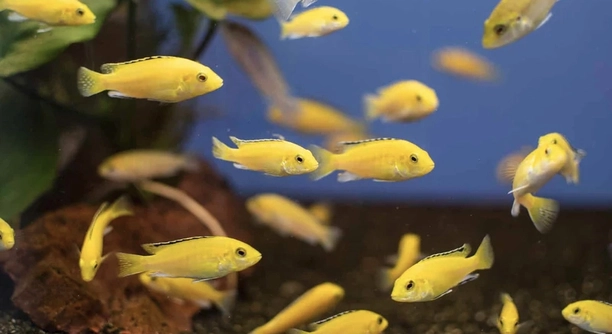
Shy African cichlids can be challenging to feed, especially when they hide or avoid food. These fish often need special care and patience to encourage healthy eating habits. Understanding their behavior helps improve feeding success and overall well-being.
Getting shy African cichlids to eat involves creating a calm environment, offering appropriate food types, feeding at consistent times, and gradually gaining their trust. These steps help reduce stress and encourage fish to come out and feed regularly.
Learning these techniques will make caring for your cichlids easier and more rewarding. Small changes in routine can lead to better feeding and a healthier aquarium environment.
Create a Calm Feeding Environment
A calm environment is key when feeding shy African cichlids. Sudden movements or loud noises can scare them, causing them to hide and avoid food. Keep the room quiet and avoid tapping on the tank glass. Use soft lighting instead of bright, harsh lights that may stress the fish. Feeding should happen in the same place every time to create a sense of safety. Avoid overcrowding the tank, as too many fish can increase competition and anxiety. Adding plants or decorations can provide hiding spots, but make sure they don’t block the feeding area. By minimizing stressors around feeding time, cichlids will feel safer and more likely to eat.
Keeping a peaceful atmosphere during feeding helps fish relax and encourages regular eating habits.
Shy African cichlids are very sensitive to their surroundings. When you maintain a calm environment, their natural stress decreases. This makes them more willing to come out and accept food. Consistency is important, so feed at the same time and place daily. Avoid sudden changes in water temperature or tank setup, as these can also cause stress. Offering food slowly and gently near their hiding spots helps build trust. Over time, the fish will associate feeding with calmness and safety. This approach improves their appetite and overall health.
Offer the Right Food Types
African cichlids have specific dietary needs based on their species. Providing the correct food type encourages shy fish to eat. Many cichlids prefer sinking pellets or flakes that are easy to find at the bottom or middle of the tank. Some may enjoy frozen or live foods like brine shrimp or bloodworms, which can be more enticing. Offering small portions prevents waste and helps fish focus on eating rather than competition. Mixing different food textures can also spark their interest. Avoid overfeeding, as this can cause water quality issues and discourage fish from eating regularly.
Feeding the right food helps shy cichlids accept meals and stay healthy.
Choosing the proper diet is essential to keep African cichlids eating well. Herbivorous species need vegetable-based foods, while carnivorous types require protein-rich options. Research your cichlids’ diet to avoid feeding them the wrong food, which can lead to refusal or health problems. Try offering live foods occasionally to encourage natural hunting behavior and reduce shyness. Make sure food size fits their mouths, so they can eat easily without stress. Observing their eating preferences over time helps you adjust their diet to keep them interested and nourished. Proper feeding not only improves appetite but also supports vibrant colors and strong immune systems.
Feed at Consistent Times
Feeding shy African cichlids at the same time every day helps build a routine. Fish learn to expect food, which reduces stress and encourages them to come out of hiding.
Regular feeding times create a predictable environment. When fish know when to expect food, they feel more secure. This consistency reduces anxiety and increases their willingness to eat. Feeding too often or at irregular times can confuse shy cichlids, making them less likely to feed openly. Setting a schedule also helps monitor their eating habits and detect any health issues early. Establishing a routine strengthens trust between the fish and their environment.
Sticking to a strict feeding schedule supports their natural rhythms. It also helps prevent overfeeding, which can cause water quality problems. Feeding once or twice daily at the same times is ideal. This way, shy cichlids gradually learn that feeding is a safe and positive experience, helping them gain confidence and improve their appetite.
Use Feeding Tools
Using feeding tools like tongs or pipettes can help shy cichlids eat more comfortably. These tools allow you to place food closer to the fish without disturbing them too much.
Feeding tools reduce sudden movements and allow precise food placement. By gently offering food near their hiding spots, you make it easier for shy fish to access meals. Avoid dropping food from a height, as this can startle them. Tools also help prevent food from scattering all over the tank, which reduces waste and keeps the environment clean. This method encourages more hesitant fish to come out and feed with less stress.
Gradually, shy cichlids become familiar with the feeding process when tools are used. This reduces fear and builds trust over time. Consistent, gentle feeding with these tools supports healthier eating habits and improves the fish’s comfort level around feeding times. Using such techniques is especially helpful for new or recently introduced fish adjusting to a new tank.
Avoid Overcrowding
Too many fish in one tank can make shy cichlids stressed and less likely to eat. Overcrowding increases competition for food and hiding spots.
Reducing the number of tank mates helps shy cichlids feel safer. A balanced population gives them room to relax and eat without fear.
Provide Hiding Spots
Shy African cichlids need places to hide and feel secure. Rocks, caves, and plants create safe zones where they can retreat when feeling threatened.
Providing enough hiding spots reduces stress and encourages shy fish to explore and eat. It also mimics their natural environment, supporting better health and behavior.
Feed Smaller Portions
Offering small amounts of food prevents waste and makes feeding less intimidating for shy cichlids. Smaller portions help them focus on eating without feeling rushed.
FAQ
Why do African cichlids become shy and refuse to eat?
African cichlids may become shy and stop eating due to stress, sudden changes in their environment, or aggressive tank mates. Poor water quality and inconsistent feeding schedules also contribute to their hesitation. Stress causes fish to hide more and eat less, as they focus on survival over feeding. Ensuring stable water parameters, a calm environment, and peaceful tankmates helps reduce shyness and encourages regular eating.
How long does it take for shy cichlids to start eating normally?
The time varies depending on the fish and conditions, but typically shy cichlids begin eating regularly within a few days to a couple of weeks after creating a calm environment and feeding routine. Patience is important because forcing food or making sudden changes can delay progress. Consistency with feeding times, gentle food placement, and minimal disturbance encourage fish to feel safe and start eating sooner.
Can live food really help shy African cichlids eat better?
Yes, live food often triggers natural hunting instincts in cichlids, which can motivate shy fish to feed more readily. Foods like brine shrimp or bloodworms are attractive and stimulating for many species. However, it’s important to provide live food from trusted sources to avoid introducing diseases. Live food should be used as a supplement rather than the main diet to ensure balanced nutrition.
Is it okay to feed shy cichlids in the same spot every day?
Feeding in the same spot daily helps build a feeding routine that shy cichlids recognize and trust. This predictability reduces stress and encourages fish to come out of hiding for food. Changing feeding locations frequently can confuse fish and make them more cautious. Consistent feeding spots also help monitor appetite and health over time.
What should I do if my cichlids still refuse to eat after trying these tips?
If cichlids continue to refuse food, check water quality parameters like pH, ammonia, nitrite, and nitrate levels immediately. Poor water conditions can cause stress and appetite loss. Observe for signs of illness or injury, and quarantine affected fish if needed. Reducing tank population or aggression may also help. In some cases, consulting a specialist or veterinarian with aquatic experience is advisable.
Can overfeeding cause shy behavior in African cichlids?
Overfeeding can indirectly cause shy behavior by polluting the water and increasing stress levels. Excess food decomposes, leading to poor water quality, which affects fish health and behavior. It also encourages competition and aggression during feeding times. Feeding small, measured portions at set times helps keep the environment clean and fish comfortable.
Do hiding spots really help shy cichlids eat better?
Yes, hiding spots give shy cichlids a safe space to retreat when they feel threatened, reducing stress levels. When fish feel secure, they are more likely to explore and come out to eat. Creating an environment with caves, rocks, and plants that mimic their natural habitat supports healthier behavior and encourages feeding.
How important is water temperature for feeding shy African cichlids?
Water temperature plays a crucial role in fish metabolism and appetite. Most African cichlids thrive and eat well between 74°F and 82°F (23°C – 28°C). Temperatures outside this range can cause stress or slow metabolism, leading to reduced feeding. Maintaining a stable, appropriate temperature supports healthy eating habits.
Should I isolate shy cichlids to help them eat?
Isolating very shy or stressed cichlids can help reduce competition and aggression, making it easier for them to eat. A separate quarantine or hospital tank with similar water conditions provides a calm space for recovery. However, long-term isolation is not recommended, as these fish also benefit from social interaction. Use isolation temporarily to restore appetite.
Can changing the type of food help if my cichlids won’t eat?
Switching food types can sometimes stimulate appetite, especially if the current food is unappealing or not suitable. Try varying between flakes, pellets, frozen, and live foods to find what your fish prefer. Introducing a new food gradually prevents digestive upset and allows observation of preferences. Offering variety also ensures balanced nutrition and encourages feeding in shy cichlids.
Final Thoughts
Getting shy African cichlids to eat can take time and patience. These fish are naturally cautious, and sudden changes or stress can make them hide or refuse food. By creating a calm environment, feeding at regular times, and offering the right types of food, you help them feel safe and comfortable. Small changes in your routine can have a big impact on their willingness to eat. It is important to stay consistent and gentle when feeding, as this helps build trust over time.
Using tools like feeding tongs or pipettes to place food near hiding spots can encourage shy fish to come out and eat. Avoid overcrowding the tank and provide plenty of hiding spaces, such as caves and plants, so your cichlids can feel secure. Keeping the water clean and at the right temperature is also key to their health and appetite. Remember that every fish is different, and it may take days or weeks for shy cichlids to start eating regularly. Observing their behavior and adjusting your care based on their needs will improve their comfort.
Feeding shy African cichlids well supports their overall health and bright colors. When they eat properly, they grow stronger and show more natural behavior. Avoid overfeeding and maintain a balanced diet tailored to their species. If your fish continue to refuse food despite your efforts, check water quality and consider consulting an expert. Patience and careful care are essential. With time, shy African cichlids can become more confident, making feeding time easier and more rewarding for both you and your fish.

Hello,
If you enjoy the content that we create, please consider saying a "Thank You!" by leaving a tip.
Every little bit helps us continue crafting quality advice that supports the health, happiness, and well-being of pets around the world, for pets of all shapes, sizes, and species.
We really appreciate the kindness and support that you show us!