
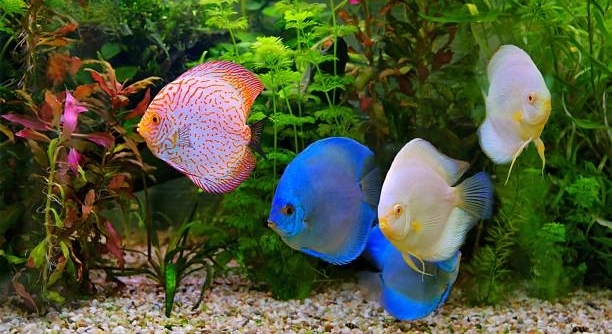
Discus fish are known for their vibrant colors and graceful movements. Introducing them to a new tank can be challenging, as they are sensitive to changes in their environment. Helping them settle quickly improves their health and appearance.
The key to making discus fish comfortable faster involves maintaining stable water conditions, minimizing stress, providing proper nutrition, and gradually acclimating them to the tank environment. These steps support their adaptation and overall well-being in a new habitat.
These simple tricks will help you create a calm environment for your discus fish. Understanding their needs early can lead to a healthier, happier aquarium.
Maintain Stable Water Conditions
Keeping water conditions stable is essential for discus fish to feel secure in their new tank. They are sensitive to sudden changes in temperature, pH, and water hardness. A gradual approach to introducing these changes helps avoid stress. Use a reliable heater and thermometer to keep the temperature steady between 82 and 86 degrees Fahrenheit. Regular water tests ensure the pH remains between 6.0 and 7.0, with soft water preferred. Frequent water changes, around 25% weekly, keep the environment clean and reduce toxins. Avoid overcrowding the tank, as discus fish thrive best in calm and spacious conditions. These steps create a healthy habitat and encourage quicker adaptation.
Consistent water quality reduces stress and helps discus fish adjust faster. Sudden shifts in conditions can lead to illness or poor coloration.
A stable environment mimics their natural habitat and allows discus fish to settle without unnecessary pressure. Maintaining proper water chemistry, temperature, and cleanliness supports their immune system and encourages normal behavior, making them appear more vibrant and active. This stability is the foundation for successful acclimation in any new aquarium.
Provide Proper Nutrition
Feeding discus fish a balanced diet supports their health during acclimation. Quality pellets or flakes designed for discus are good staples. Supplement their diet with live or frozen foods like bloodworms, brine shrimp, and daphnia for extra protein and nutrients. Feed small amounts several times daily to prevent overfeeding and maintain water quality. Variety in their diet promotes better growth and coloration.
A nutritious diet helps discus recover from transport stress and boosts their immune system.
When discus fish eat well, they show more natural behavior and adapt faster to their environment. Nutrient-rich foods help them build strength and resist disease, making the transition smoother. Consistent feeding schedules create routine and comfort. Overfeeding should be avoided as it can cause water pollution and health issues. Proper nutrition is vital for their overall well-being and appearance during their early days in the tank.
Gradual Acclimation Process
Gradually acclimating discus fish to their new tank reduces shock and stress. Slowly introduce them to the water conditions over several hours.
Start by floating the sealed bag in the tank to equalize temperature. After 15 minutes, slowly add small amounts of tank water to the bag every 10 minutes. This helps them adjust to pH and water chemistry. Avoid rushing this process to prevent shock, which can weaken their immune system. Taking time ensures the fish transition smoothly to their new environment.
After acclimation, gently release discus into the tank without forcing. Use a net rather than pouring to avoid stress. Observe closely for signs of distress during the first few hours. A slow approach builds their confidence and supports overall health.
Create Hiding Spots
Discus fish feel more secure with places to hide. Add plants, driftwood, and rocks to the tank.
These elements reduce stress by offering refuge from bright lights or sudden movements. Hiding spots also mimic their natural surroundings, helping discus feel safer. This sense of security encourages normal behavior and quicker adjustment to the tank.
Placement of hiding spots should allow open swimming space. Too many obstacles can cause territorial disputes. Balance between shelter and open areas promotes both comfort and activity. Changing decorations frequently should be avoided, as consistency supports their sense of safety. Natural materials are preferred for a calm environment.
Monitor Water Parameters Daily
Checking water parameters daily helps catch problems early. Use test kits to measure pH, ammonia, nitrite, and nitrate levels. Keeping these stable is crucial for discus health.
Frequent monitoring prevents stress caused by sudden changes. Adjust water conditions immediately if values fall outside safe ranges to maintain a healthy environment.
Avoid Overcrowding
Overcrowding increases stress and waste buildup. Keep discus fish in groups of five or fewer per 30 gallons of water to allow ample space for swimming and growth.
Maintain Proper Tank Temperature
Consistent temperature between 82 and 86 degrees Fahrenheit supports discus metabolism and immune function. Sudden temperature fluctuations can weaken their health and slow adjustment.
Minimize Noise and Movement
Loud noises and constant movement near the tank cause stress in discus fish. Place the aquarium in a quiet area with limited foot traffic to create a calm environment.
FAQ
How long does it take for discus fish to get comfortable in a new tank?
Discus fish usually take about two to four weeks to fully acclimate to a new tank. This period depends on factors such as water quality, temperature stability, and how carefully they were acclimated. Providing a calm, stable environment speeds up the adjustment process and reduces stress, helping discus settle sooner.
What are the signs that my discus fish are stressed?
Signs of stress include hiding more than usual, loss of appetite, faded colors, and erratic swimming. Stress can also make them prone to illness. Monitoring behavior closely during the first weeks helps identify problems early. Addressing stressors quickly promotes better health and comfort for your fish.
Can I introduce other fish with discus right away?
It’s best to wait until discus are fully comfortable before adding other species. Discus are sensitive and may feel threatened by newcomers. Once settled, introducing peaceful tank mates slowly can reduce aggression and help maintain tank harmony.
How often should I feed discus fish during acclimation?
Feed small amounts two to three times daily during acclimation. Frequent, smaller meals help maintain water quality and encourage consistent eating habits. Avoid overfeeding, as leftover food can pollute the tank and harm discus health.
What temperature is best for discus fish?
The ideal temperature range is between 82 and 86 degrees Fahrenheit. Keeping it stable within this range supports their metabolism and immune system. Sudden drops or rises in temperature can cause stress and illness.
Why is water pH important for discus fish?
Discus prefer slightly acidic to neutral water, with pH between 6.0 and 7.0. Proper pH ensures their bodily functions work correctly and reduces stress. Regular testing and adjustments keep pH within this range.
How do I prevent disease when introducing discus to a new tank?
Quarantine new discus for at least two weeks before adding them to the main tank. This practice helps identify and treat illnesses early. Maintaining good water quality, proper nutrition, and a clean tank environment also reduce disease risk.
Is it necessary to use a water conditioner for discus tanks?
Yes, water conditioners remove harmful chlorine and chloramine from tap water. These chemicals can damage gills and cause stress. Conditioning water before use creates a safer environment for discus fish.
Can discus fish live in community tanks?
Discus can live in community tanks with peaceful, slow-moving fish that tolerate similar water conditions. Avoid aggressive or fast species that may stress discus. Careful selection of tank mates and monitoring behavior ensures compatibility.
What should I do if my discus fish stop eating?
If discus stop eating, check water parameters and tank conditions immediately. Stress or illness often causes appetite loss. Offer live or frozen foods, which can be more enticing than pellets. If the problem persists, consult a specialist or veterinarian.
How much space do discus fish need?
Provide at least 10 gallons per discus fish to allow room for swimming and growth. Overcrowding causes stress and water quality issues. Larger tanks also make maintaining stable conditions easier.
Why do discus fish change colors?
Color changes can indicate mood, stress, or health issues. Bright colors usually show good health, while dull or faded colors suggest stress or poor water quality. Monitoring color helps track discus well-being.
Can I use tap water for discus tanks?
Tap water must be treated before use. Chlorine and chloramine in tap water are harmful to discus. Use a water conditioner to remove these chemicals and test water parameters regularly to ensure safety.
How often should I clean the tank when keeping discus?
Partial water changes of 25% weekly help maintain water quality without causing stress. Avoid full tank cleanings that disrupt beneficial bacteria. Regular gravel vacuuming and filter maintenance keep the environment healthy.
Are discus fish schooling fish?
Yes, discus are social and prefer groups of at least five. Keeping them in small groups reduces stress and encourages natural behavior. Alone, discus may become shy or withdrawn.
What type of filtration is best for discus tanks?
Use gentle, efficient filtration to avoid strong currents that stress discus. Canister filters or sponge filters work well by providing good water quality without disrupting the tank’s calm environment.
How do I acclimate discus fish properly?
Float the sealed bag in the tank for 15-20 minutes to match temperatures. Gradually add small amounts of tank water to the bag over one to two hours. This process helps discus adjust to pH and other water conditions without shock.
Is it necessary to keep the lights low when introducing discus?
Yes, keeping lights dim or off during introduction reduces stress. Bright lights can make discus feel exposed and vulnerable. Gradually increase lighting as they become comfortable.
What live plants work well with discus?
Plants like Amazon swords, Java fern, and Anubias provide hiding spots and improve water quality. They also create a natural environment that helps discus feel secure.
Can discus fish tolerate fluctuations in water hardness?
Discus prefer soft to moderately hard water. Large fluctuations can cause stress and health issues. Maintaining stable water hardness helps keep discus comfortable.
What are common diseases in discus fish and how can I prevent them?
Common diseases include ich, fin rot, and internal parasites. Prevention involves quarantine, clean water, balanced nutrition, and avoiding stress. Early detection and treatment are important to prevent outbreaks.
Final Thoughts
Helping discus fish get comfortable in their new tank requires patience and careful attention. Each step, from gradual acclimation to maintaining stable water conditions, plays an important role in reducing stress. Stress can weaken their immune systems, making them more prone to illness. Taking time to create a calm environment with hiding spots and consistent temperature helps discus settle in more quickly. Keeping the tank clean and monitoring water parameters daily supports their health and comfort throughout the adjustment period.
It is important to avoid rushing the process or overcrowding the tank. Giving discus enough space allows them to swim freely and feel less threatened. Overcrowding can increase aggression and cause unnecessary stress, which slows down acclimation. Choosing compatible tank mates and limiting sudden changes in lighting or noise also help maintain a peaceful environment. A slow introduction to new surroundings encourages natural behavior and better eating habits, which are key to discus fish thriving.
Overall, creating a stable, stress-free environment is the best way to support discus fish as they adjust to their new home. Consistency in care, including regular feeding, water testing, and tank maintenance, helps discus maintain good health over time. While discus can be sensitive and require specific care, following simple steps can make a significant difference. Observing their behavior closely and making adjustments when needed allows for a smoother transition and long-term well-being for these beautiful fish.

Hello,
If you enjoy the content that we create, please consider saying a "Thank You!" by leaving a tip.
Every little bit helps us continue crafting quality advice that supports the health, happiness, and well-being of pets around the world, for pets of all shapes, sizes, and species.
We really appreciate the kindness and support that you show us!