
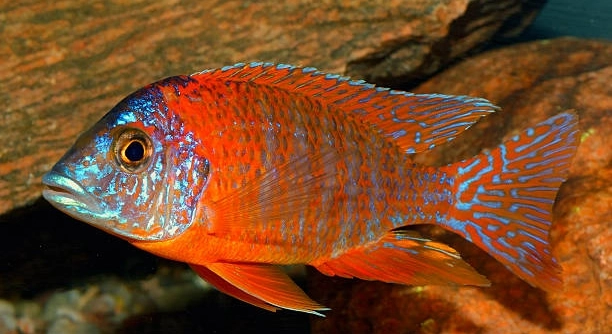
Getting cichlids to feel at ease in your aquarium can take patience and consistency. Many fish may appear shy or skittish at first, but small adjustments in your approach can make a noticeable difference over time.
To build trust with cichlids, it is important to maintain a consistent feeding schedule, provide a calm environment, and interact gently. Gradual exposure to your presence, proper tank setup, and minimal sudden movements contribute to their comfort and familiarity.
These simple adjustments can transform the way your cichlids respond to you and your care routine, making interactions smoother and more rewarding.
Establish a Consistent Feeding Routine
Cichlids respond well to regularity. Feeding them at the same times each day helps them associate your presence with positive experiences. Start with small amounts to prevent overfeeding and reduce stress. Observing their reactions during feeding can also give insights into their comfort levels and health.
Consistency reduces anxiety. Fish become more confident when they know what to expect.
Over time, your cichlids will start to recognize you as the provider of food. Begin by standing near the tank quietly before adding food, allowing them to observe you without sudden movements. Gradually, they will swim closer, anticipating the feeding process. Avoid changing feeding locations or times abruptly, as this can unsettle them. Supplement their diet with a variety of pellets, flakes, and occasional live or frozen treats to ensure balanced nutrition. Maintaining water quality is also critical, as healthy fish are naturally more receptive to interaction. By combining predictable routines with proper care, you can foster a sense of security that encourages your cichlids to approach and respond positively.
Create a Calm Environment
Cichlids are sensitive to sudden changes. Keeping the tank quiet and stable encourages exploration and reduces hiding behavior.
Minimizing vibrations and loud noises helps fish feel secure.
A calm tank allows cichlids to focus on their surroundings instead of potential threats. Arrange hiding spots and decorations to mimic natural habitats, giving them areas to retreat when needed. Stable lighting schedules prevent stress, as abrupt shifts can startle them. Avoid tapping on the glass or making rapid movements nearby, which can cause them to retreat and increase skittishness. Temperature and water parameters should remain steady, as fluctuations may trigger defensive behavior. By maintaining a predictable and gentle environment, your cichlids can gradually adjust to your presence. Over time, they will become more comfortable exploring open areas of the tank and may even approach you during feeding or routine care. Small, consistent efforts in creating a peaceful space result in fish that are calmer, more curious, and responsive to interaction.
Use Slow, Gentle Movements
Sudden motions can startle cichlids. Move your hands and body slowly around the tank to avoid triggering fear. Over time, they learn that your presence is safe.
Start by approaching the tank gradually each day. Avoid leaning over or casting shadows directly on the water, as this can make them retreat. Gently interact by moving feeding tools or decorations slowly, allowing them to observe without stress. Consistency in calm behavior helps them associate you with a non-threatening presence, reducing skittish responses. Watching their reactions carefully lets you adjust your movements and build trust at a pace that suits them.
Even routine tasks like water changes or glass cleaning benefit from slow, deliberate motions. Quick movements often cause hiding or erratic swimming. By practicing patience, your cichlids gradually become more comfortable, responding positively to your approach. Combining gentle interaction with feeding routines strengthens recognition and trust, helping them feel more secure and engaged in the tank.
Offer Varied Foods
Providing a mix of foods keeps cichlids interested and healthy. Different textures and flavors stimulate their appetite and encourage them to interact during feeding.
Alternate between pellets, flakes, and occasional frozen or live options. Including occasional vegetables or protein-rich treats ensures balanced nutrition. Observe which foods your cichlids prefer and adjust portions accordingly to prevent overfeeding or waste. Introducing new foods gradually helps them adapt without stress.
Using a variety of foods also encourages natural foraging behavior. Spread the food in different tank areas to stimulate exploration and movement, which builds confidence. Over time, cichlids begin to associate feeding times with positive experiences involving you. This connection enhances comfort and reduces fear, making them more likely to approach your presence eagerly. Balanced nutrition combined with engagement supports both health and interaction.
Spend Quiet Time Near the Tank
Simply sitting near the tank lets cichlids get used to your presence. Avoid sudden movements and maintain a calm posture. Over time, they notice you without feeling threatened.
Consistency is key. Spending a few minutes daily observing them quietly builds familiarity and reduces anxiety.
Hand-Feed When Possible
Hand-feeding allows cichlids to connect your presence with positive experiences. Offer small amounts gradually to avoid overwhelming them. Patience during this process strengthens trust.
Avoid Overcrowding
Too many fish can increase stress and reduce willingness to interact. Keep the tank population balanced to allow cichlids to feel secure.
Use Mirrors or Reflections
Placing a mirror briefly can stimulate natural behaviors. Fish may react curiously, helping them become more confident and responsive to movement in the tank.
FAQ
How long does it take for cichlids to get comfortable with me?
The time varies depending on the species and individual temperament. Some cichlids may become comfortable within a few days, especially if approached consistently and gently. Others, particularly shy or aggressive species, may take several weeks of patient interaction. Factors like tank environment, feeding routine, and water quality also influence how quickly they adjust to your presence. Regular, calm exposure, combined with predictable feeding and stable tank conditions, encourages trust. Avoid sudden changes, as these can set progress back. Observing their behavior daily helps you gauge comfort levels and adapt your approach.
Can cichlids recognize their owners?
Yes, cichlids can recognize people who feed and interact with them regularly. They associate familiar movements and routines with positive experiences, such as feeding or gentle activity near the tank. Recognition is stronger when you maintain consistency and approach calmly, allowing them to feel safe rather than threatened. Over time, they may swim closer when you are nearby or follow your hand during feeding.
What are the best foods to encourage interaction?
Pellets and flakes form the base of their diet, but adding live or frozen foods can increase interest. Foods like brine shrimp, bloodworms, and chopped vegetables stimulate natural foraging behavior, which encourages movement and curiosity. Offering a variety of foods gradually helps cichlids associate feeding times with you, reinforcing positive interactions. Avoid overfeeding to maintain health and prevent water quality issues, which can make them more anxious or withdrawn.
How do I reduce skittish behavior?
Minimize sudden movements, vibrations, and loud noises near the tank. Maintaining a calm environment and stable water conditions is essential. Gradually increase your presence near the tank, allowing them to observe without feeling threatened. Providing hiding spots helps them feel secure while adjusting to new interactions.
Is hand-feeding safe for cichlids?
Yes, hand-feeding is safe if done carefully. Offer small portions slowly and avoid putting your fingers deep into the tank. Hand-feeding strengthens trust, but always monitor their reactions to prevent stress or accidental nipping. Consistent, gentle feeding sessions reinforce comfort over time.
What role does tank setup play in comfort?
A well-arranged tank with hiding spots, decorations, and proper lighting helps cichlids feel secure. Overcrowding, poor water quality, or abrupt changes can increase stress. Stable conditions and natural-like environments allow them to explore confidently and interact more readily with you.
Can cichlids become too comfortable and aggressive?
Some species may become territorial once comfortable. Monitor behavior during feeding and interactions. Providing enough space and hiding spots can prevent aggression. Understanding species-specific traits helps manage their comfort without triggering defensive behavior.
How often should I spend time near the tank?
Daily short sessions are more effective than infrequent long sessions. Even five to ten minutes of calm observation or gentle interaction helps build recognition and trust. Over time, fish respond more confidently and approach during feeding or routine tank care.
Will lighting affect their comfort?
Yes, abrupt changes in lighting can startle cichlids. Maintaining a consistent light schedule and avoiding direct shadows or reflections helps them feel secure. Gradual adjustments to lighting are less stressful and support natural behavior patterns.
What signs indicate cichlids are comfortable with me?
Comfortable cichlids may swim closer to your presence, follow your hand during feeding, explore open areas, and display normal social behavior. Reduced hiding, calmer movements, and active engagement with the environment are clear indicators of growing trust and security in the tank.
Can mirrors really help cichlids?
Yes, brief use of mirrors can stimulate natural behavior and curiosity. Fish often respond to their reflection, which can improve confidence and reduce fear of new objects or movements near the tank. Always limit mirror exposure to avoid excessive stress or aggression.
How do I handle multiple cichlids with different temperaments?
Observe each fish’s behavior individually. Introduce interaction gradually, paying attention to shy or dominant fish. Ensure adequate space, hiding spots, and feeding areas to reduce stress. Consistent routines and gentle handling support comfort for all individuals, even with varying temperaments.
What if my cichlids never approach me?
Some cichlids remain naturally cautious. Continue consistent feeding, calm presence, and gentle movement near the tank. Avoid forcing interaction. Over time, even reserved fish may show small signs of recognition, like swimming closer or observing your actions from a safe distance. Patience is essential.
How do water quality and temperature affect their behavior?
Stable, optimal water conditions are crucial for comfort. Fluctuations in temperature, pH, or cleanliness can stress cichlids, making them more skittish or withdrawn. Maintaining consistent water parameters supports healthy behavior and willingness to interact with you regularly.
Can cichlids remember interactions after time away?
Yes, cichlids have good memory and can recognize previous experiences. Regular exposure strengthens familiarity. Even after short breaks, they may respond positively if previous interactions were calm, predictable, and associated with feeding or safe handling.
What is the role of hiding spots in building trust?
Hiding spots provide security while cichlids adapt to your presence. Fish feel safer exploring when they know they have retreats. A mix of open spaces and shelters helps them gradually approach, reducing stress and encouraging interaction over time.
How do I balance multiple comfort strategies?
Combine consistent feeding, gentle movements, calm environment, hand-feeding, and proper tank setup. Each strategy reinforces others, creating an overall sense of security. Observing behavior and adjusting gradually ensures cichlids respond positively without feeling overwhelmed, making the process effective and sustainable.
Can cichlids interact differently based on species?
Yes, species differences influence behavior. Some are naturally more curious, while others are territorial or shy. Understanding species-specific traits helps tailor your approach, ensuring comfort strategies match their natural tendencies and reduce stress during interactions.
What mistakes should I avoid when building trust?
Avoid sudden movements, inconsistent feeding, overcrowding, poor water conditions, and abrupt changes in tank setup. Rushing interactions or forcing contact can increase fear. Patience, consistency, and careful observation are key to creating a trusting relationship.
How do I know when to stop and give them space?
If cichlids show hiding, darting, or defensive behavior, pause interactions. Allow them time to adjust. Respecting boundaries prevents stress and ensures trust grows gradually rather than being compromised.
Building a positive relationship with your cichlids takes time, patience, and consistency. Each fish has its own personality, and what works for one may not work for another. Simple steps, like maintaining a regular feeding schedule, moving slowly around the tank, and creating a calm environment, can make a noticeable difference. Over time, these small efforts help your cichlids feel more secure and confident, allowing them to approach you without fear. Observing their behavior carefully during these interactions is important, as it lets you understand how they respond and adjust your approach when needed. Avoiding sudden movements, loud noises, and abrupt changes in the tank setup will also support their comfort. These strategies are not just about making the fish more interactive; they are about fostering a healthy, low-stress environment that benefits both their well-being and your ability to care for them effectively.
Consistency is one of the most important factors in gaining your cichlids’ trust. By spending regular, calm time near the tank and offering food in a predictable way, you help them associate your presence with safety and positive experiences. Hand-feeding, when done carefully, can reinforce this connection and encourage closer interaction. Providing hiding spots and arranging the tank to mimic their natural habitat also contributes to their sense of security. Water quality, temperature, and lighting are equally important, as fluctuations in these areas can create stress and make them less likely to respond to you. Even shy or cautious species can become more comfortable with steady, gentle exposure and consistent care. Over time, you may notice them exploring open areas, swimming closer during feeding, and behaving more naturally, showing that your efforts to create a calm and predictable environment are working.
Patience and observation are key throughout the process. Building trust with cichlids is not about forcing interaction or expecting immediate results. It is about creating conditions that allow them to feel safe, encouraging natural behaviors, and gradually introducing your presence in a non-threatening way. Recognizing small signs of comfort, like swimming near you or following your movements, is just as important as larger milestones. By combining careful feeding, slow movements, calm surroundings, and thoughtful tank setup, you create a stable foundation for positive interaction. Over time, these strategies not only make the fish more comfortable with you but also improve their overall health, reduce stress, and support long-term well-being. Patience, consistency, and gentle care ultimately make the experience rewarding for both you and your cichlids.

Hello,
If you enjoy the content that we create, please consider saying a "Thank You!" by leaving a tip.
Every little bit helps us continue crafting quality advice that supports the health, happiness, and well-being of pets around the world, for pets of all shapes, sizes, and species.
We really appreciate the kindness and support that you show us!