
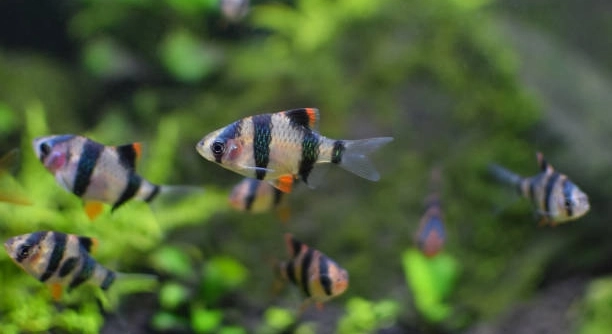
Many fish species naturally swim in groups called schools for safety and social reasons. Encouraging schooling behavior can help create a peaceful and balanced environment in aquariums or natural settings. Understanding how to promote this behavior benefits both fish and their keepers.
Encouraging schooling behavior involves providing the right environment, such as adequate space, consistent water conditions, and appropriate group sizes. These factors support natural instincts and reduce stress, promoting cohesion and synchronized movement among fish.
The following tips explain practical ways to support schooling, making your aquatic space more harmonious and enjoyable to observe.
Create the Right Environment
Fish feel more comfortable schooling when their environment mimics natural conditions. This means having enough space for the group to swim freely without overcrowding. Clean, stable water with balanced temperature and pH levels helps reduce stress. Adding plants or decorations gives hiding spots and landmarks, which make fish feel safer. Lighting should be gentle and consistent, avoiding sudden changes that can startle them. A calm environment encourages fish to stay close together and move as a group.
Maintaining stable water conditions is key for schooling behavior. Frequent water changes and proper filtration help keep the water quality high.
When fish are in a well-maintained tank with enough room and stable conditions, they are more likely to swim in groups. Overcrowding can lead to aggression and stress, breaking the school apart. Decorations and plants provide security and structure, guiding their movements. Adjusting lighting and avoiding loud noises or sudden changes also help fish feel safe and synchronized. A calm, comfortable space makes schooling a natural and consistent behavior.
Keep Group Sizes Appropriate
Schooling fish need to be in groups of sufficient size to feel secure. Small groups may not trigger the schooling instinct, causing fish to act independently. Generally, groups of six or more are ideal for most schooling species.
Larger groups promote better coordination and social interaction.
Having enough fish in the group allows them to form tighter schools and move together smoothly. Smaller numbers can make fish feel vulnerable, leading to hiding or aggressive behavior. Observing your fish’s reactions to group size helps determine the right number. Too many fish can cause overcrowding, so balance is important. Ensuring the group size fits the species’ natural habits will improve schooling behavior and the overall health of the fish.
Use Consistent Feeding Times
Feeding fish at regular times helps establish a routine, which supports schooling behavior. Fish feel more secure when their environment is predictable.
Consistent feeding times create a sense of order and reduce stress among schooling fish. When fish know when to expect food, they gather together more naturally, improving group cohesion. Sudden or irregular feeding can cause confusion and competition, disrupting the school. Establishing a daily schedule for feeding helps fish synchronize their behavior and promotes calmness in the tank. This regularity makes it easier for fish to focus on swimming as a group rather than competing for food.
Feeding should also be done with care to avoid overfeeding, which can affect water quality and fish health. Smaller, frequent meals are better for schooling species and maintain a peaceful environment. Observing fish during feeding allows you to monitor their interactions and adjust accordingly, supporting healthy schooling dynamics.
Select Compatible Species
Choosing fish that naturally school together increases the chances of successful schooling behavior. Different species have different social habits, so compatibility matters.
Compatible species share similar size, temperament, and environmental needs. Mixing aggressive or solitary fish with schooling species can disrupt group behavior and increase stress. Selecting species that naturally swim in schools makes it easier for them to form tight groups and move in unison. Researching species’ natural behaviors ensures your aquarium community functions smoothly. Matching fish with similar temperature and water condition needs also supports long-term health. This careful selection creates a peaceful and harmonious environment where schooling occurs naturally and consistently.
Provide Visual Cues
Fish respond well to visual cues that help keep the school together. These cues include consistent lighting and familiar tank decorations.
Visual landmarks help fish navigate and maintain their position within the group. Shadows and reflections can also encourage schooling by stimulating natural instincts.
Avoid Sudden Changes
Sudden changes in environment, like loud noises or quick movements, can startle fish and break schooling behavior. Keeping the surroundings calm supports steady group swimming and reduces stress.
Maintain Proper Water Quality
Good water quality is essential for healthy schooling behavior. Clean water with balanced parameters reduces stress and helps fish feel safe. High levels of toxins or sudden changes in water chemistry can disrupt social behavior and cause fish to scatter.
Use Group Activities
Encouraging group activities like synchronized feeding or gentle water flow can stimulate schooling. These shared experiences help fish bond and move as one, improving their natural schooling instincts.
FAQ
How many fish should I keep to encourage schooling behavior?
For most schooling species, a group of at least six fish is recommended. Smaller groups may not trigger natural schooling instincts, causing fish to act independently or feel stressed. However, overcrowding can also cause problems, so balance is important based on tank size and species.
Can different species school together?
Some species with similar size and temperament can form mixed schools, but it’s best to stick to one species for stronger cohesion. Different behaviors or aggression levels can disrupt the group and reduce schooling. Researching compatibility is important before mixing species.
Does tank size affect schooling behavior?
Yes, tank size plays a big role. Fish need enough space to swim freely as a group. A cramped tank causes stress, breaks schools, and can lead to aggression. Make sure the tank size matches the number and species of schooling fish.
How often should I feed my schooling fish?
Feeding small amounts two to three times a day helps keep fish healthy and calm. Regular feeding times support routine and encourage fish to gather, improving schooling behavior. Avoid overfeeding, which can harm water quality and fish health.
Will plants and decorations help schooling?
Yes, plants and decorations create safe hiding spots and landmarks. These help fish feel secure and navigate better, which supports schooling. Avoid cluttering the tank too much, as overcrowding can stress fish and break the school.
What water conditions are best for schooling fish?
Stable temperature, pH, and clean water are essential. Most schooling fish prefer moderate temperatures and neutral pH, but it depends on species. Frequent water changes and proper filtration keep conditions ideal, reducing stress and encouraging natural behavior.
How do sudden noises or movements affect schooling?
Sudden disturbances scare fish and cause them to scatter. This breaks up the school and raises stress levels. Keeping the environment calm and avoiding quick movements near the tank helps maintain steady schooling.
Can schooling behavior change over time?
Yes, schooling can vary with fish age, health, or stress levels. Young or sick fish may not school well. Changes in tank conditions or social group can also affect behavior. Observing fish regularly helps spot issues early.
Is it necessary to have a specific lighting setup for schooling?
Consistent, moderate lighting works best. Bright or flickering lights can stress fish and disrupt schooling. Soft lighting that mimics natural conditions encourages calm behavior and better group movement.
What should I do if fish are not schooling?
Check group size, tank conditions, and compatibility first. Make sure water quality and feeding schedules are stable. Adding plants or rearranging decorations might help. If problems persist, consider whether the species naturally schools or if stress factors exist.
Schooling behavior in fish is a natural instinct that helps them feel safe and comfortable. Creating the right environment and conditions can encourage this behavior in an aquarium setting. By paying attention to factors like group size, water quality, and tank setup, you can support your fish in forming strong, healthy schools. This not only benefits the fish but also makes the tank more enjoyable to watch.
It is important to maintain consistency in feeding times, water parameters, and lighting. These small but steady routines help reduce stress and create a sense of security for schooling fish. Selecting compatible species that naturally school together also makes a big difference in how well the fish group and move in unison. Avoid sudden changes or disturbances that can cause fish to scatter and break their school. With patience and careful care, schooling behavior becomes more visible and stable over time.
Encouraging schooling behavior takes ongoing effort and observation. Each aquarium is different, so adjustments may be needed as you learn how your fish react to their environment. Providing enough space, stable water conditions, and a peaceful setting are key steps. Watching your fish swim together in a school is rewarding and shows that your care is supporting their natural instincts. Taking the time to understand and meet their needs leads to a healthier and happier aquatic community.

Hello,
If you enjoy the content that we create, please consider saying a "Thank You!" by leaving a tip.
Every little bit helps us continue crafting quality advice that supports the health, happiness, and well-being of pets around the world, for pets of all shapes, sizes, and species.
We really appreciate the kindness and support that you show us!