
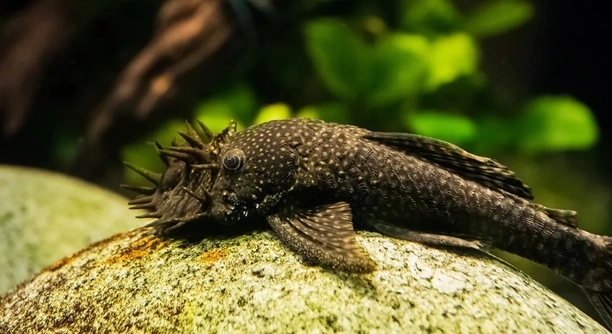
Encouraging pleco social behavior can be a rewarding challenge. These unique fish often display fascinating interactions in groups, but some individuals may struggle to engage with others. Understanding their needs can lead to healthier and more active tank communities.
To encourage pleco social behavior, providing sufficient space, hiding spots, and proper tank conditions is essential. Additionally, ensuring a varied diet and maintaining water quality can support their overall health, which may help foster more social interactions among plecos.
By understanding these key factors, you can create an environment where plecos feel comfortable and confident interacting with one another.
Providing Adequate Space for Plecos
Space plays a crucial role in pleco social behavior. If the tank is too small, plecos may feel cramped and stressed, leading to territorial behavior and a lack of interaction. Ensure your tank provides enough room for each pleco to move freely without encroaching on others’ territories. A larger tank allows them to establish their own spaces while also offering opportunities to interact with tank mates.
When deciding on the size of the tank, consider the number of plecos and their specific species needs. Plecos are active swimmers and need space to explore. Overcrowding can lead to competition for resources like hiding spots and food, which can inhibit social behavior.
Additionally, larger tanks often support better water conditions, which play a vital role in overall fish health. With proper space, plecos can feel secure and more comfortable, leading to increased chances of social interactions. A spacious tank promotes peaceful coexistence and encourages plecos to interact with each other.
Creating Hiding Spots
Hiding spots are essential for plecos. Providing plenty of hiding places allows them to feel secure and reduces stress. These spots also offer a retreat when plecos feel threatened.
Plecos can be shy and may only emerge from their hiding spots when they feel safe. They are more likely to interact with others when they have the option to retreat when needed. Use caves, driftwood, or rocks to create a natural environment that plecos can enjoy.
Maintaining Clean Water
Clean water is essential for plecos to thrive. When water quality deteriorates, plecos can become stressed, leading to poor social interactions. Regular water changes and proper filtration are necessary to keep the environment healthy and supportive of active behavior.
Water conditions such as temperature, pH, and ammonia levels should be regularly monitored. Plecos are sensitive to water quality and can show signs of stress if the tank is not maintained. Keeping the water clean encourages plecos to feel safe and less anxious, promoting better behavior towards other tank mates.
Along with regular water changes, consider using a good-quality filter that can handle the size of your tank. Filtration helps remove toxins and provides the necessary oxygen levels for all fish in the tank. Clean, well-maintained water helps create a stable environment that encourages plecos to socialize.
Feeding a Varied Diet
A balanced diet is key to supporting pleco health and encouraging social behavior. Offering a variety of foods, such as algae wafers, vegetables, and protein sources, will keep them active and healthy. Healthy plecos are more likely to engage with their surroundings.
A varied diet prevents boredom and malnutrition, both of which can impact their behavior. Plecos often feed together, so providing food they enjoy will help them feel comfortable and reduce stress. When they are well-fed and content, they are more likely to explore and interact with others.
Make sure to observe their feeding habits. Some plecos can be more solitary feeders, while others may share food with tank mates. A varied diet will also ensure they get the nutrients they need to stay active and social in the tank.
Creating a Consistent Tank Environment
A stable tank environment is crucial for plecos to feel secure. Sudden changes in temperature or water conditions can cause stress and discourage social behavior. Maintain consistent tank parameters to help plecos settle in and interact peacefully.
Plecos are sensitive to changes, so avoid making drastic adjustments. Use a heater to keep the water temperature steady and ensure the tank is properly cycled. Stability in their environment will reduce stress, allowing plecos to thrive socially and actively engage with one another.
Monitoring Pleco Health
Regularly checking your plecos for signs of illness is important. Sick plecos may isolate themselves and avoid interaction with others. Early detection of health issues can prevent further complications, helping to maintain a peaceful tank.
Be aware of changes in behavior, such as reduced activity or loss of appetite, as these can indicate stress or illness. If you notice any issues, address them immediately to avoid affecting the social dynamics in your tank. Healthy plecos are more likely to interact with each other, creating a more active community.
Tank Compatibility
It’s important to ensure your plecos are kept with compatible tank mates. Aggressive or overly territorial fish can stress plecos, making social behavior difficult. Choose peaceful tank mates that won’t disrupt the plecos’ calm demeanor.
Incompatible species may cause plecos to hide or act defensively. Ensure that the other fish in the tank have similar water requirements and temperaments to avoid any conflict. This will allow the plecos to feel safe enough to socialize with their environment.
FAQ
Why do my plecos hide all the time?
Plecos are naturally shy creatures, especially when introduced to new environments. They often seek hiding spots to feel safe, particularly if they are not used to their tank mates or the surroundings. It’s important to provide plenty of caves or hiding spots so they can retreat when needed. If plecos are hiding for extended periods, check for stressors such as poor water quality, aggressive tank mates, or temperature fluctuations, as these can cause them to isolate themselves. However, this behavior is not always a sign of trouble; some plecos prefer solitude, especially at night.
How do I know if my pleco is stressed?
Stressed plecos may show signs such as erratic swimming, hiding more than usual, and loss of appetite. They may also scrape their bodies against tank decorations or substrate. If you notice these behaviors, it could indicate that the tank conditions are not ideal or that they are not getting along with tank mates. Stress can also lead to physical symptoms, such as changes in color or external injuries. Keep an eye on their overall activity and appearance to ensure they are healthy.
Can plecos live with other fish?
Yes, plecos can live with other fish, but it’s essential to choose compatible species. They generally do well with peaceful fish, but they may become territorial with similar bottom dwellers or aggressive species. Plecos are bottom-feeding fish and will tend to stay near the substrate, so avoid adding tank mates that compete for the same space. Also, ensure that the other fish in the tank have similar water requirements to avoid stressing the plecos. Providing plenty of hiding spaces can also help ease any territorial issues.
How often should I feed my pleco?
Plecos are not demanding when it comes to feeding, but they should be given a balanced diet. Feed them once or twice a day, depending on their size and activity level. Plecos are primarily herbivores and require algae-based food, but they also benefit from vegetables like zucchini, spinach, and cucumbers. You can supplement their diet with high-quality sinking pellets. It’s crucial to avoid overfeeding as it can lead to water quality problems. Remove any uneaten food to prevent it from decaying and affecting the tank environment.
How do I encourage plecos to interact with each other?
To encourage plecos to socialize, ensure that the tank is large enough and that there are enough hiding spots for each pleco. Plecos are territorial by nature, so giving them the option to claim their own space helps reduce conflicts. A varied diet, proper water quality, and maintaining a stable environment will also encourage them to be more active and comfortable with each other. Some species of plecos are more social than others, so research the specific type you have to better understand their social behaviors.
Can plecos live alone?
While plecos can live alone, they generally do better in groups, especially if they are a social species. However, this varies by the type of pleco you have. Some species, like the common pleco, are more solitary and can thrive alone if the tank conditions are ideal. Others, such as bristlenose plecos, can do well in groups, as they are more social. Keep in mind that plecos often establish territories, so providing ample hiding spots can reduce any conflicts when multiple plecos are kept together.
What tank size is best for plecos?
The minimum tank size for plecos depends on the species. Smaller plecos, like bristlenose plecos, can thrive in tanks as small as 30 gallons. However, larger species like the common pleco need much more space, often requiring a tank of 75 gallons or more to accommodate their size and activity levels. Plecos are active fish, so providing ample space for swimming is important. Additionally, a larger tank allows for better water quality management, which is crucial for their health and well-being.
How can I tell if my pleco is healthy?
A healthy pleco should have vibrant colors, active swimming patterns, and a healthy appetite. They should not show signs of excessive scratching or rubbing against tank decorations, which could indicate parasites or skin issues. Healthy plecos also tend to explore their environment and feed regularly. If your pleco is lethargic, has faded colors, or refuses food, it could be a sign of stress or illness. Regularly check the water quality and monitor their behavior to ensure they are in good health.
Do plecos need a filter?
Yes, plecos benefit from having a filter in their tank. Plecos produce a significant amount of waste, and a filter helps maintain water quality by removing excess debris and toxins. A filter also ensures proper water circulation, which is essential for plecos, as they need well-oxygenated water. Choose a filter that matches the size of your tank and is strong enough to handle the biological load created by plecos. Regular maintenance of the filter is necessary to keep it functioning properly.
Why do my plecos suck on the glass?
Plecos use their sucker mouths to cling to surfaces such as rocks, driftwood, and glass. This behavior is completely normal as they feed on algae and biofilm that accumulate on these surfaces. They may also use their sucker mouths to explore their environment. However, if your pleco is sucking on the glass excessively, it could be due to a lack of natural food sources in the tank. Ensure that there are enough algae or other suitable foods for them to graze on to keep them satisfied.
Final Thoughts
Encouraging plecos to exhibit social behavior in a tank is a process that requires attention to their environment and well-being. Providing a stable tank with proper water conditions, temperature, and a varied diet is key to reducing stress and promoting healthy interactions. While plecos are naturally solitary creatures, the right environment can help them feel more comfortable and even encourage some social behavior. Each pleco species is different, and understanding the specific needs of the pleco you have will make it easier to create the best possible conditions for them to thrive.
It’s also important to remember that plecos have unique personalities and behaviors. Some may be more social and interactive, while others may prefer solitude. A well-planned tank setup, with ample hiding spots and space for each pleco, is essential to avoid territorial issues. Regular monitoring of their health and behavior is crucial. If your plecos are hiding more than usual or showing signs of stress, it may be time to adjust the tank conditions. Consistent care and observation are the keys to ensuring they remain healthy and happy.
Ultimately, creating a peaceful and social environment for plecos depends on patience and understanding their individual needs. While plecos may not always interact the way other fish species do, they can still be fascinating to watch as they navigate their surroundings. By taking the time to set up a proper tank environment, you can help your plecos live a long, healthy, and socially interactive life.

Hello,
If you enjoy the content that we create, please consider saying a "Thank You!" by leaving a tip.
Every little bit helps us continue crafting quality advice that supports the health, happiness, and well-being of pets around the world, for pets of all shapes, sizes, and species.
We really appreciate the kindness and support that you show us!