
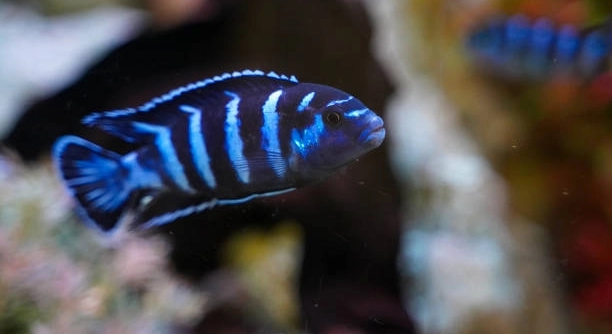
African cichlids are colorful and popular aquarium fish known for their interesting behaviors. Many fishkeepers enjoy watching them breed but sometimes struggle to encourage this natural process. Understanding how to create the right environment is key to success.
Encouraging breeding in African cichlids involves providing optimal water conditions, a suitable diet, proper tank setup, and minimizing stress. These factors collectively create an environment that supports healthy reproductive behavior and increases the chances of successful spawning.
Knowing these essential tricks can help you support your fish’s natural habits and improve breeding results over time.
Creating the Right Water Conditions
Maintaining stable water conditions is crucial for encouraging breeding in African cichlids. These fish thrive in clean, well-filtered water with a temperature between 75 and 82 degrees Fahrenheit. The pH should be slightly alkaline, typically between 7.8 and 8.6, mimicking their natural lake habitats. Regular water changes help remove waste and keep water quality high, which reduces stress on the fish. It’s important to avoid sudden changes in water parameters, as cichlids are sensitive and can stop breeding if stressed. Using a reliable test kit to monitor pH, ammonia, nitrite, and nitrate levels keeps the environment safe. Adding some rocks or caves can help maintain stable conditions and give fish places to hide. Setting up your tank this way makes it easier for African cichlids to feel comfortable and ready to spawn.
Water temperature and pH balance are essential for breeding success in African cichlids. Keeping these stable reduces stress and supports their natural reproductive instincts.
With consistent care in water management, you create a foundation where your cichlids can focus on breeding without environmental distractions. This attention to detail is often the key to seeing eggs and fry in your tank.
Providing a Nutritious Diet
Feeding African cichlids a balanced diet supports their health and breeding readiness. These fish are omnivores, so including both plant-based and protein-rich foods is best. High-quality flakes or pellets designed for cichlids provide essential nutrients. Supplementing with live or frozen foods like brine shrimp, bloodworms, or daphnia encourages natural hunting behavior and boosts their energy. Feeding small amounts several times a day rather than one large meal keeps their metabolism steady. During breeding periods, increasing the protein intake helps females develop eggs and males gain strength for courtship and territory defense. Avoid overfeeding to prevent water pollution and health problems. A well-fed cichlid is more likely to show interest in mating and successfully raise fry.
A proper diet rich in proteins and variety improves breeding outcomes by keeping fish healthy and energetic.
Careful attention to nutrition ensures your cichlids are in peak condition. Healthy fish breed more readily, and their offspring have a better chance of survival. By providing the right food, you help your fish reach their breeding potential naturally and with less stress.
Setting Up Proper Tank Environment
African cichlids need hiding spots and territories to feel secure. Rocks, caves, and plants create spaces for breeding and reduce aggression.
Providing separate areas helps females lay eggs without disturbance. Males defend their territory, which encourages natural breeding behavior. Avoid overcrowding to reduce stress and fighting. A well-structured tank mimics their natural habitat and supports breeding.
Lighting should be moderate, as too bright light can stress the fish. Soft lighting encourages calm behavior and helps eggs develop safely. Use timers to maintain a consistent day-night cycle, supporting the fish’s natural rhythms.
Tank layout is key. It gives fish places to explore and claim as their own, which stimulates breeding. Observing their interactions in a well-arranged tank can be rewarding and shows breeding readiness.
Reducing Stress and Disturbances
Stress directly affects breeding success. Keep the tank environment stable and avoid sudden changes. Regular feeding, water changes, and low noise help reduce stress.
Minimize handling the fish or moving decorations often. Loud noises or frequent tapping on the glass can disturb them. Stress can delay or stop breeding completely, so maintaining calm is essential for good results.
Keeping other aggressive species away also protects your cichlids’ breeding efforts. Sometimes separating the breeding pair or grouping fish carefully reduces tension. Stress-free fish are more likely to engage in courtship and raise healthy fry.
Choosing Compatible Breeding Pairs
Selecting compatible pairs increases the chance of successful breeding. Look for healthy fish with no visible signs of illness or deformity. Matching fish of similar size and temperament helps reduce aggression and improves bonding.
Avoid mixing species that are too different, as this can cause stress or unsuccessful mating. Knowing the specific species traits helps in pairing them correctly.
Monitoring Breeding Behavior
Watch for signs like increased territorial behavior, digging, and cleaning of surfaces. Males often display brighter colors and more active courtship rituals. Females may become rounder as eggs develop. These behaviors indicate breeding readiness and help time interventions like tank separation or feeding changes.
Caring for Fry
After spawning, fry need gentle care. Provide small, frequent feedings of specialized fry food or finely crushed flakes. Keep the water clean and stable. Avoid sudden changes to help the fry grow healthy and strong.
FAQ
How long does it take for African cichlids to breed?
African cichlids usually take about 7 to 10 days from courtship to egg hatching. After spawning, eggs typically hatch within 2 to 4 days, depending on water temperature and conditions. The fry become free-swimming about a week after hatching. Maintaining stable water quality speeds up the process.
What is the best way to tell male and female cichlids apart?
Males tend to be larger, more colorful, and have longer fins. Females are usually smaller and less vibrant but may look rounder during breeding when carrying eggs. Some species show specific markings unique to each sex, so researching your cichlid type helps in accurate identification.
Can all African cichlid species breed in home aquariums?
Most common species like Mbuna and Peacock cichlids can breed successfully if given the right conditions. However, some species have special requirements or need more space. It’s important to know your specific cichlid’s needs for water parameters, tank setup, and diet to encourage breeding.
Is it necessary to separate fry from adults?
Yes, separating fry is often recommended because adult cichlids may eat their young. Using a breeding box or a separate rearing tank protects fry during their most vulnerable stage. Some species, like mouthbrooders, carry fry in their mouths and protect them naturally for a time.
How often should I change water during breeding?
During breeding, weekly water changes of 20-30% help maintain good water quality without stressing the fish. Avoid large or sudden water changes, as these can shock the fish and disrupt breeding behavior. Consistency is more important than frequency.
What foods help stimulate breeding?
High-protein foods like live or frozen brine shrimp, bloodworms, and daphnia encourage breeding behavior. Supplement with quality pellets or flakes designed for cichlids. Avoid overfeeding to keep the water clean and prevent health problems.
What are signs that breeding is not going well?
If fish show constant aggression without courtship, ignore each other, or females fail to produce eggs, it may signal poor conditions or stress. Cloudy water, improper temperature, or unsuitable tank mates can cause these issues. Adjusting environment and diet often improves success.
Can African cichlids breed in community tanks?
Breeding in community tanks is challenging due to competition and stress from other species. If breeding is a priority, it’s better to use a species-only tank or create a separate breeding area. This reduces risks to eggs and fry from other fish.
How do I care for fry after they become free-swimming?
Feed fry small amounts of finely crushed flakes or specialized fry food multiple times a day. Keep water clean and well-oxygenated. Avoid overcrowding by moving fry to larger tanks as they grow. Providing gentle water flow helps maintain oxygen without stressing fry.
What role does tank size play in breeding success?
Larger tanks offer more territory and reduce aggression, increasing breeding chances. However, smaller tanks can work if space is arranged with enough hiding places and low stocking density. Always avoid overcrowding to lower stress and encourage natural behavior.
Breeding African cichlids can be a rewarding experience when the right conditions are in place. It takes patience, attention, and care to create an environment that supports their natural behavior. Water quality, temperature, and pH balance are essential factors that need constant monitoring. Stable and clean water helps reduce stress and encourages the fish to breed. Adding rocks, caves, and hiding spots makes the tank feel more like their natural home, which also supports breeding activities. A well-structured tank with the right setup plays a big role in helping your cichlids feel secure and ready to reproduce.
Feeding your African cichlids a balanced diet is just as important as their environment. A mix of plant-based and protein-rich foods keeps them healthy and energetic. Live or frozen foods like brine shrimp and bloodworms help trigger natural hunting instincts and support reproductive health. During breeding, increasing protein intake helps females develop eggs and males maintain strength for courtship and defending territory. Avoid overfeeding to prevent water pollution, which can harm both adults and fry. Consistent feeding habits combined with proper nutrition improve breeding success and the overall well-being of your fish.
Keeping stress levels low is vital for breeding African cichlids. Stress can come from sudden changes in water parameters, aggressive tank mates, or loud noises. Maintaining a calm environment, regular water changes, and avoiding frequent tank disturbances helps fish stay relaxed. Watching for signs of breeding behavior, like digging and color changes, lets you know when the fish are ready to mate. If needed, separating fry from adults protects the young from being eaten. By following these basic care steps, you increase the chances of successful breeding and enjoy the fascinating process of raising healthy African cichlids.

Hello,
If you enjoy the content that we create, please consider saying a "Thank You!" by leaving a tip.
Every little bit helps us continue crafting quality advice that supports the health, happiness, and well-being of pets around the world, for pets of all shapes, sizes, and species.
We really appreciate the kindness and support that you show us!