
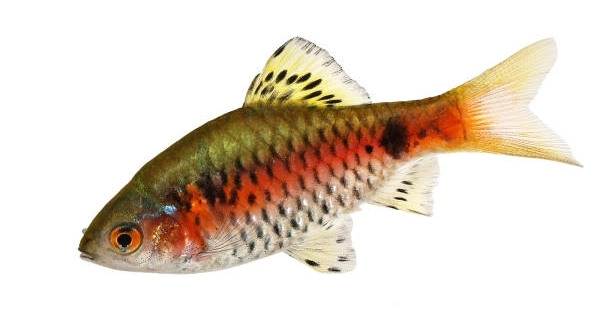
Aggressive behavior in Rosy Barbs can be challenging for aquarium owners. These fish sometimes display territorial or bullying actions that disrupt tank harmony. Managing their aggression is important for a peaceful and healthy aquatic environment.
Effective distraction techniques for aggressive Rosy Barbs include introducing visual barriers, varying feeding routines, providing hiding spots, and using tank mates that divert their attention. These strategies help reduce stress and aggression while promoting natural behaviors.
Understanding how to calm an aggressive Rosy Barb can improve your aquarium’s balance. These simple tricks offer practical ways to create a more peaceful tank atmosphere.
Recognize the Signs of Aggression Early
Aggressive Rosy Barbs usually show clear signs before their behavior worsens. They may chase other fish repeatedly, nip at fins, or guard certain areas of the tank intensely. Watching for these behaviors early helps you act quickly to prevent harm. Sometimes, aggression spikes during feeding times or when new fish are introduced. Rosy Barbs can also become more territorial as they grow older or during breeding periods. Noticing subtle changes, such as increased chasing or sudden bursts of energy, is important. Once you identify these signs, you can implement distraction tactics to keep peace. Early intervention prevents injuries and stress that harm all fish in the tank. Keeping a close eye on their habits daily allows you to adjust the environment or routines before aggression becomes a big problem. These small efforts create a calmer aquarium space for everyone involved.
Aggression often peaks when resources feel limited or when the tank is overcrowded.
Proper tank management reduces aggressive incidents and promotes a stable fish community.
Use Visual Barriers to Break Line of Sight
Visual barriers inside the tank can greatly reduce aggression among Rosy Barbs. Adding plants, rocks, or decorations breaks their line of sight, which lowers territorial disputes. When fish cannot constantly see each other, they are less likely to chase or attack. Dense clusters of plants offer natural hiding places, helping timid fish escape confrontations. Smooth rocks or aquarium dividers also create separate zones, which reduce tension between aggressive and passive fish. These barriers mimic the natural habitat where fish use cover to feel safe. With fewer direct interactions, Rosy Barbs calm down and show less aggression. Rearranging decorations regularly keeps the environment interesting and reduces boredom, which can cause aggression. Visual barriers also encourage natural behaviors, such as exploring and resting. Maintaining a well-structured tank with plenty of hiding spots is one of the easiest and most effective ways to manage aggression in your Rosy Barbs.
This approach fosters peace and balance without the need for medication or stressful interventions.
Change Feeding Routines
Changing how and when you feed Rosy Barbs can reduce aggression during meal times. Feeding smaller amounts more often prevents competition and fights.
Feeding multiple spots in the tank distributes food evenly, so fish aren’t forced to compete in one area. This reduces chasing and fin nipping around feeding zones. Using sinking pellets or flakes helps keep food accessible to all fish, including bottom dwellers. Varying the diet with live or frozen foods also keeps Rosy Barbs interested and less aggressive. When food is plentiful and easily available, fish feel less need to guard their territory or chase others.
A calm feeding environment lowers stress for all fish and prevents aggressive outbursts linked to hunger.
Provide Plenty of Hiding Places
Rosy Barbs need spaces to retreat when they feel threatened or overwhelmed. Plants, caves, and decorations offer safe spots that help reduce aggressive encounters.
Dense plants such as Java fern or Anubias provide natural cover and soften the tank environment. Caves and tunnels made from rocks or ceramic also allow fish to hide or rest away from bullies. When hiding spots are limited, weaker fish suffer from constant harassment, leading to injury or stress. Offering multiple hiding places allows all fish to establish their own safe zones, which balances tank dynamics. Rearranging these spaces occasionally encourages exploration and disperses aggressive behavior. Hiding places also improve the overall health of the tank by providing shelter and reducing visual stress. Including a variety of decorations designed for fish refuge creates a more peaceful and comfortable aquarium for Rosy Barbs.
Introduce Tank Mates Carefully
Choosing the right tank mates helps distract aggressive Rosy Barbs and reduces bullying. Avoid slow or long-finned fish that may become targets.
Active and fast swimmers like danios or other barbs keep up with Rosy Barbs, shifting their focus away from aggression. This balance helps maintain harmony.
Rearrange the Tank Layout
Changing the tank layout disrupts established territories and reduces aggression. Moving plants, decorations, and rocks breaks up familiar areas, forcing Rosy Barbs to adjust.
A fresh environment prevents fish from guarding specific spots aggressively. It also encourages exploration and new social dynamics, which lowers stress and fighting over time.
Use Floating Plants
Floating plants soften lighting and create shaded areas. This helps reduce stress and limits constant chasing among Rosy Barbs.
Why are my Rosy Barbs aggressive?
Rosy Barbs can become aggressive for several reasons. Often, it’s due to territorial instincts, especially in smaller tanks where space is limited. They might also act aggressively during feeding times when competition for food increases. Stress from overcrowding or lack of hiding places can raise aggression levels. Additionally, during breeding seasons, males may become more territorial and chase other fish to protect their space. Lack of stimulation in the tank can also cause boredom, leading to increased aggression. Understanding these causes helps in managing and preventing aggressive behaviors in your Rosy Barbs.
How can I reduce aggression without changing tank mates?
There are several ways to reduce aggression without swapping out your fish. First, rearranging the tank decorations or plants can break established territories and reduce fighting. Adding more hiding places, like dense plants or caves, lets shy fish escape bullies. Changing feeding routines by spreading food in multiple spots lowers competition during meals. Introducing floating plants to soften lighting can help calm fish and reduce chasing. Regularly observing and reacting to aggressive behaviors early can also prevent escalation. These steps create a more balanced and peaceful tank environment for all your fish.
Is tank size important for controlling aggression?
Tank size plays a big role in Rosy Barb behavior. Smaller tanks limit swimming space and increase territorial disputes. Rosy Barbs are active swimmers that do best in tanks of at least 30 gallons, giving them room to explore and establish territories without constant confrontation. Larger tanks dilute aggressive behavior by allowing fish to avoid each other when needed. Overcrowding in small tanks raises stress, which often leads to more aggression. Ensuring enough space and hiding spots reduces tension and keeps your fish healthier and happier.
Can diet influence aggression in Rosy Barbs?
Yes, diet impacts fish behavior. When food is scarce or only available in one spot, Rosy Barbs may compete aggressively during feeding. Offering a balanced diet that includes flakes, pellets, and occasional live or frozen foods keeps them well-nourished and less likely to fight over meals. Feeding smaller amounts multiple times a day instead of one large meal helps reduce hunger-driven aggression. Making sure food reaches all areas of the tank prevents dominant fish from monopolizing resources. A good diet promotes calm and healthy fish.
What are the signs that aggression is harming my fish?
Signs of harmful aggression include torn or missing fins, constant chasing, and visible stress behaviors like hiding or loss of color. Fish may also become lethargic or stop eating if they are bullied. Watch closely during feeding and tank activity to catch early signs. If aggression is severe, injuries can become infected, leading to illness or death. Prompt action to distract or separate aggressive fish helps prevent serious harm. Maintaining a calm environment is key to fish health.
Should I separate aggressive Rosy Barbs from the tank?
Separating aggressive Rosy Barbs is sometimes necessary if distraction techniques fail. Isolation helps protect weaker fish and prevents injuries. You can move the aggressive fish to a separate tank or use a tank divider to keep them apart. However, separation should be a last resort after trying environmental changes like adding hiding spots or rearranging the tank. If you choose to separate, monitor water conditions and stress levels closely in both tanks. The goal is to restore peace without causing more stress through sudden changes.
Can stress cause Rosy Barbs to become aggressive?
Stress is a major factor that can trigger aggression. Poor water quality, overcrowding, lack of hiding places, and sudden changes in the tank can all cause stress. Stressed fish are more prone to act out aggressively to defend themselves or their territory. Keeping the tank clean, maintaining proper water parameters, and providing enough space reduces stress. Regular observation and gentle handling also help keep your Rosy Barbs calm and balanced.
Are some Rosy Barbs naturally more aggressive than others?
Yes, individual personalities vary. Some Rosy Barbs are naturally more dominant or territorial, while others are peaceful. Aggression can depend on genetics, social hierarchy, and environment. It’s normal for a few fish to take on dominant roles in the tank. Managing their behavior with the distraction techniques discussed keeps peace. Understanding that aggression is part of their nature helps set realistic expectations and guide proper tank care.
Managing aggressive behavior in Rosy Barbs requires patience and attention. These fish naturally have territorial instincts, so it is normal to see some level of chasing or fin nipping in a community tank. However, letting aggression go unchecked can cause stress, injuries, and even death among your fish. It is important to watch their behavior regularly and act early when signs of aggression appear. By using simple methods such as rearranging the tank, adding hiding spots, and changing feeding routines, you can reduce aggression and create a calmer environment for all your fish. These efforts not only improve the wellbeing of Rosy Barbs but also support the health of the entire aquarium community.
A peaceful tank depends largely on the space and conditions you provide. Rosy Barbs are active swimmers who thrive in spacious tanks with plenty of room to move and explore. Overcrowding is a common cause of aggression because fish compete for limited territory and resources. Maintaining proper water quality and keeping the tank clean also help reduce stress that can lead to fighting. Including plants, decorations, and other structures that offer shelter gives fish places to retreat and lowers tension. Feeding fish smaller amounts multiple times a day, and spreading the food out, prevents aggressive feeding behavior. These simple changes work together to keep your Rosy Barbs relaxed and less likely to act aggressively.
Aggression in Rosy Barbs can sometimes feel frustrating, but with careful management, it is possible to maintain a peaceful aquarium. Remember that some aggression is natural and unavoidable, but it should never cause harm to your fish. Keeping an eye on behavior, making environmental adjustments, and selecting compatible tank mates are key to success. By investing time and care, you will enjoy a more balanced tank where your Rosy Barbs can display their colorful, active personalities without stress or conflict. The goal is a healthy and harmonious environment that benefits all your aquatic pets.

Hello,
If you enjoy the content that we create, please consider saying a "Thank You!" by leaving a tip.
Every little bit helps us continue crafting quality advice that supports the health, happiness, and well-being of pets around the world, for pets of all shapes, sizes, and species.
We really appreciate the kindness and support that you show us!