
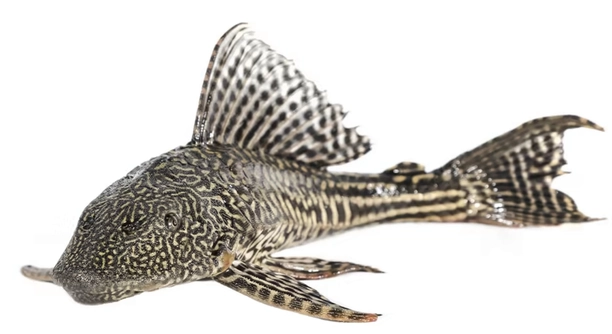
Cleaning a Pleco tank can be time-consuming, especially when dealing with the mess left behind by these active fish. Keeping the tank clean is essential for maintaining their health and the overall ecosystem.
To clean a Pleco tank faster, start by removing any debris and uneaten food, followed by a partial water change. Use a gravel vacuum to eliminate waste from the substrate. Regular cleaning schedules and proper filtration can significantly reduce cleaning time.
These straightforward tips will help you save time while maintaining a healthy environment for your Pleco. By following these methods, you’ll ensure your tank stays clean with less effort.
Prepare the Tank Before Cleaning
Before you start cleaning, it’s important to prepare your tank. Begin by gathering the necessary supplies, including a net, bucket, and gravel vacuum. Ensure the water in the tank is at a safe temperature for your Pleco. If you have decorations or plants, remove them carefully to avoid damage. This preparation will make the process smoother and quicker. Always check the tank’s filtration system before cleaning. A good filter ensures that the tank stays clean for longer, reducing the amount of time needed for future cleanings.
Make sure to unplug the filter and heater before cleaning. This prevents any accidents during the process.
Once the supplies are ready and the filter is safely turned off, start by removing the debris from the tank’s surface. This step helps to prevent debris from getting stirred up as you clean the bottom. Make sure to take your time during this phase to avoid missing anything important.
Focus on the Substrate
The substrate in a Pleco tank collects a lot of waste and debris over time. To clean it effectively, use a gravel vacuum. Slowly move it across the substrate, allowing the vacuum to suck up waste without disturbing the healthy bacteria.
Vacuuming the gravel can be time-consuming, but it’s an essential part of cleaning. It helps remove organic matter that would otherwise break down and affect water quality. Depending on the tank’s size, this process may take anywhere from 10 to 30 minutes. Be sure to focus on the areas where waste tends to accumulate, such as around decorations, plants, or rocks.
Avoid over-vacuuming as it can remove beneficial bacteria necessary for the tank’s balance. Once you’ve cleaned the substrate, refill the tank with water to replace what was lost during the cleaning process. Make sure the new water is the right temperature before adding it back into the tank.
Clean the Decorations and Equipment
Remove any decorations or equipment, like filters or heaters, to clean them separately. Wash the items using a sponge or cloth, avoiding soap, as it can harm your Pleco. Simply scrub away any algae or dirt buildup.
For decorations, you can soak them in a vinegar-water solution to help break down algae or dirt. Rinse thoroughly to remove any residue. Take the time to check for cracks or damage while cleaning the decorations. A small crack can become a hiding spot for waste and bacteria, which might cause water quality issues later.
Make sure the filter is cleaned well, as it plays a crucial role in maintaining water quality. Clean it according to the manufacturer’s instructions to avoid damaging its parts. It’s also helpful to clean the heater if needed to prevent any buildup. Once everything is clean, you can carefully replace the equipment in the tank.
Regular Water Changes
Performing regular water changes helps maintain a clean and healthy tank environment. Aim to change about 25% of the water weekly to keep toxins at bay. Make sure to test the water for ammonia, nitrite, and nitrate levels to ensure a stable environment for your Pleco.
When doing a water change, use a siphon to remove both water and waste from the tank. This helps reduce the buildup of harmful substances. Keep an eye on the water’s temperature as you replace it, ensuring it matches the existing tank water. Adding dechlorinated water prevents any harm to your Pleco from chlorine or chloramine.
After the water change, check the filter again. Sometimes, extra cleaning is required after large water changes, as it may catch extra debris. Regular water changes will make each cleaning session faster and easier.
Use the Right Tools
Using the correct tools makes cleaning the Pleco tank faster. Invest in a good gravel vacuum, algae scraper, and appropriate cleaning brushes. These items help you tackle different tasks without extra effort. Having the right tools will save you time during each cleaning session.
A scraper with a long handle can help remove algae buildup on the glass without getting your hands wet. Similarly, a soft-bristle brush can be used to clean decorations gently. Make sure to clean your tools after each use to maintain their effectiveness. Regularly check that they are in good working condition to avoid frustration when cleaning.
Maintain a Regular Cleaning Schedule
Setting a routine cleaning schedule will prevent excessive buildup in the tank. Clean the tank every 1-2 weeks to keep algae and waste under control. Mark your calendar or set reminders to stay on track.
Keeping a schedule prevents you from missing any maintenance tasks. When the tank is cleaned on time, it requires less effort and time during each session. You can also monitor the water quality better, addressing any issues before they become too difficult to fix.
FAQ
How often should I clean my Pleco tank?
Cleaning your Pleco tank should be done every 1-2 weeks, depending on the size of the tank and the number of fish. Smaller tanks may require more frequent cleaning, while larger tanks with good filtration may require less. Regular maintenance, including partial water changes and debris removal, will keep the tank in top condition and reduce the need for deep cleaning.
Can I use soap to clean my Pleco tank decorations?
No, you should never use soap or household cleaners on your Pleco tank decorations. Soap residues can harm the delicate balance of your aquarium and be toxic to your fish. Instead, use a vinegar-water solution to clean decorations, and make sure to rinse them thoroughly before placing them back in the tank.
What is the best way to remove algae from the tank?
To remove algae, use an algae scraper or pad designed for aquarium use. Gently scrape the algae off the glass, being careful not to scratch it. You can also use a toothbrush or soft-bristle brush to clean smaller decorations. Regular water changes and maintaining a good filter will help reduce algae buildup.
How do I clean the gravel in my Pleco tank?
The best way to clean gravel is by using a gravel vacuum. It helps remove debris, uneaten food, and waste from the substrate without disturbing the beneficial bacteria that live in the gravel. Make sure to vacuum the gravel thoroughly every time you clean the tank, but avoid over-vacuuming, which can disrupt the ecosystem.
Can I use tap water to replace water in my Pleco tank?
Yes, you can use tap water, but it must be treated before adding it to the tank. Tap water often contains chlorine or chloramine, which can harm your Pleco. Use a dechlorinator or water conditioner to remove these chemicals before adding the water back into the tank. Ensure the water temperature is similar to the tank water to prevent stress on the fish.
Why does my Pleco tank get dirty so quickly?
A tank can get dirty quickly due to overfeeding, poor filtration, or not cleaning the tank regularly. Plecos are messy eaters, and excess food can quickly decay, leading to waste buildup. Ensuring a good filter system, removing uneaten food, and maintaining a regular cleaning schedule will help reduce the speed at which the tank gets dirty.
Is it safe to use a chemical cleaner in my Pleco tank?
It’s generally not recommended to use chemical cleaners in a Pleco tank. Most chemical cleaners can harm the fish and disrupt the natural balance of your aquarium. Stick to physical cleaning methods like scrubbing decorations, using a gravel vacuum, and performing regular water changes. If necessary, use aquarium-safe cleaners or algae removers.
How can I tell if my Pleco is stressed due to water quality?
Signs of stress in a Pleco due to poor water quality include erratic swimming, hiding more than usual, or changes in color. Your Pleco may also become lethargic or stop eating. Regularly testing the water for ammonia, nitrites, and nitrates will help you keep water quality in check and prevent stress.
How do I prevent algae buildup in my Pleco tank?
To prevent algae, maintain a regular cleaning schedule and monitor the lighting in your tank. Excessive light can promote algae growth, so consider reducing the amount of time your lights are on each day. A good filter and proper water circulation can also help keep algae under control.
Can I add other fish to my Pleco tank while cleaning?
Yes, you can add other fish to your Pleco tank while cleaning, but make sure the water parameters remain stable during the cleaning process. Avoid overstocking the tank, as this can lead to water quality issues. It’s always best to monitor the fish closely after cleaning to ensure they are not stressed by the changes.
How do I clean the filter in my Pleco tank?
To clean your Pleco tank filter, turn it off and disconnect it from the power source. Remove the filter media and rinse it in tank water (not tap water, which can kill beneficial bacteria). Replace any worn-out filter media as needed. Clean the filter housing and impeller to ensure the water flows properly.
Should I clean the tank in one go or in stages?
You can clean the tank in stages to avoid causing too much disruption at once. Start by removing the decorations and cleaning them. Then, vacuum the substrate and change the water. Finally, clean the filter and check the water quality. This step-by-step process ensures that each task gets the attention it needs without overwhelming you.
Final Thoughts
Cleaning a Pleco tank may seem like a big task, but with the right tools and regular maintenance, it becomes much easier. Establishing a routine can help prevent excessive algae buildup and waste accumulation. Keeping up with cleaning every 1-2 weeks will not only make your tank look better but also improve the overall health of your Pleco and other aquatic life. Simple actions, such as regular water changes and equipment checks, can go a long way in maintaining a clean and healthy environment.
By following these tips and tricks, you will spend less time scrubbing and more time enjoying your Pleco and its tank. It’s important to remember that a healthy tank means a happier fish. Overfeeding or neglecting cleaning tasks can quickly lead to water quality problems. Addressing issues early, like removing uneaten food or cleaning decorations, ensures that your Pleco’s habitat remains safe and comfortable. Regularly testing the water and monitoring your fish’s behavior will give you a better understanding of the health of your tank.
Overall, maintaining a Pleco tank doesn’t have to be a daunting job. By breaking it down into manageable steps and staying on top of cleaning tasks, the process will become second nature. Don’t forget to invest in the right cleaning tools, establish a routine, and always prioritize the health of your fish. A clean tank not only provides a better living environment for your Pleco but also gives you the peace of mind that your aquatic pet is thriving.

Hello,
If you enjoy the content that we create, please consider saying a "Thank You!" by leaving a tip.
Every little bit helps us continue crafting quality advice that supports the health, happiness, and well-being of pets around the world, for pets of all shapes, sizes, and species.
We really appreciate the kindness and support that you show us!