
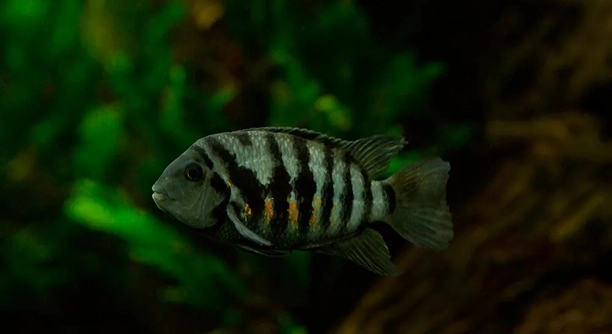
African cichlids are popular aquarium fish known for their bright colors and active behavior. However, their aggression can sometimes create challenges for hobbyists. Learning to manage this aggression is important for a peaceful tank environment.
Calming aggressive African cichlids involves several strategies such as providing ample hiding spots, maintaining proper tank size, avoiding overcrowding, regulating feeding schedules, and introducing compatible tank mates to reduce stress and territorial disputes.
Understanding these techniques can improve the harmony in your aquarium and help your fish thrive comfortably. The following tips offer practical ways to create a calmer environment for your cichlids.
Provide Plenty of Hiding Spots
African cichlids are naturally territorial, so having enough hiding spots in the tank helps reduce aggression. Rocks, caves, and plants create safe spaces where fish can retreat when feeling threatened. These spots break the line of sight and lessen the chance of constant fighting. Without enough places to hide, cichlids may feel stressed and act more aggressively. Rearranging the tank’s decorations every once in a while can also help disrupt established territories, giving fish a chance to reset their boundaries. Providing varied types of shelters will meet different fish preferences. This can lead to a more peaceful environment where each cichlid feels secure in its own space.
Adding more hiding spots is a simple but effective way to ease tension among cichlids.
Changing the tank layout occasionally and offering multiple shelters will help lower fights and keep your fish calmer.
Maintain Proper Tank Size
A small tank often increases aggression because cichlids have limited space to establish territories. When the tank is too crowded, competition for resources and space becomes intense. This leads to frequent chasing and fights. Experts recommend at least a 55-gallon tank for a small group of African cichlids. Larger tanks allow fish to spread out and avoid each other when needed. The shape of the tank matters too; a longer tank provides more horizontal space, which is better for territorial fish. Regular water changes and good filtration are also essential because clean water reduces stress and aggression. Ensuring the tank meets the size needs of your cichlids is one of the most important steps in keeping them calm and healthy.
Avoid Overcrowding
Too many fish in one tank increase stress and aggression among African cichlids. Overcrowding limits space and resources, causing fights and injuries. It’s important to keep the number of fish balanced with tank size and filtration capacity.
Keeping the right number of cichlids helps maintain peace and reduces stress. Overcrowding often causes constant chasing and territorial disputes, which weaken the fish’s health. A less crowded tank allows each fish to claim its own area without frequent conflicts. When adding new fish, introduce them slowly and watch for signs of aggression. Reducing overcrowding can also improve water quality, as fewer fish produce less waste. This keeps the tank cleaner and helps your cichlids stay calm.
Regularly monitor the population in your tank and remove excess fish if needed. A balanced community supports healthier and calmer cichlids.
Regulate Feeding Schedules
Feeding African cichlids too often or irregularly can increase aggression during mealtime. A consistent feeding schedule helps reduce competition and fighting for food. Feeding small amounts two to three times daily works well.
Consistent feeding prevents hunger-driven aggression and helps establish a routine the fish can rely on. Overfeeding can pollute the water, making fish irritable and sick. Underfeeding, on the other hand, causes stress and intensifies fights over limited food. Offering a varied diet with quality flakes, pellets, and occasional live or frozen foods satisfies their nutritional needs. Feeding in different spots also lowers competition, as fish spread out instead of clustering in one place. Watching your cichlids during feeding helps identify aggressive behavior early.
A steady and balanced feeding routine plays a key role in keeping African cichlids calm and healthy.
Introduce Compatible Tank Mates
Choosing tank mates that can handle the cichlids’ aggression is important. Fish with similar size and temperament work best. Avoid small or slow-moving species that may become targets.
Adding compatible fish helps distribute aggression and reduces stress on individual cichlids. It creates a more balanced social environment in the tank.
Use Visual Barriers
Visual barriers, such as rocks or plants, break lines of sight between aggressive cichlids. This limits constant staring and chasing. Barriers reduce stress by giving fish private spaces.
Keep Water Conditions Stable
Stable water temperature and quality lower stress and aggression. Frequent changes or poor water conditions make cichlids irritable and more prone to fighting. Regular water tests and maintenance are essential.
Rearrange the Tank Regularly
Changing the tank layout disrupts established territories and reduces ongoing conflicts. Rearranging decorations every few weeks can help reset dominance hierarchies among cichlids.
FAQ
How can I tell if my African cichlids are too aggressive?
Signs of aggression include chasing, biting, and constant fighting. If you notice torn fins, hiding fish, or one fish dominating others, your cichlids might be too aggressive. Aggression is normal to some extent, but when it leads to injuries or stress, it needs attention.
What is the best tank size to reduce aggression?
A minimum of 55 gallons is recommended for a small group of African cichlids. Larger tanks offer more space to establish territories and reduce conflict. The shape matters too—longer tanks give more horizontal room, which is better for territorial fish.
How many cichlids should I keep together?
Keep a balanced number based on tank size and filtration. Overcrowding causes stress and increases fighting. For a 55-gallon tank, about 6 to 8 cichlids is ideal. Adjust numbers for larger or smaller tanks accordingly.
Can hiding spots really calm aggressive fish?
Yes, hiding spots like caves, rocks, and plants give fish safe places to retreat. This reduces stress and aggression by allowing fish to avoid constant confrontation. Multiple hiding spots spread out fish and reduce territorial disputes.
Should I feed my cichlids once or multiple times a day?
Feeding small amounts two to three times daily works best. This prevents hunger-driven aggression and maintains good water quality. Avoid overfeeding, as it can pollute the tank and cause stress.
What kinds of foods are best for African cichlids?
High-quality flakes and pellets designed for cichlids are a good base. Adding live or frozen foods like brine shrimp or bloodworms helps provide variety and nutrition. A balanced diet supports their health and reduces stress-related aggression.
Can adding other fish help calm aggressive cichlids?
Introducing compatible tank mates of similar size and temperament can help distribute aggression. Avoid small or slow-moving fish that may be bullied. Compatible fish create a more balanced environment and reduce the focus on individual targets.
How often should I rearrange the tank?
Rearranging the tank layout every few weeks disrupts established territories. This helps reset dominance and can reduce ongoing fights. Changing decorations and hiding spots keeps the environment interesting and lowers stress.
Is water quality really that important for aggression?
Yes, poor water quality stresses fish and increases aggression. Regular water changes, good filtration, and stable temperature keep cichlids healthy and calm. Testing water parameters weekly is a good habit.
What are visual barriers, and how do they work?
Visual barriers like rocks or plants break the line of sight between aggressive fish. This reduces staring, chasing, and territorial fights. Barriers create private spaces, helping fish feel safe and less stressed.
Can aggression be completely eliminated in African cichlids?
No, some level of aggression is natural for African cichlids. The goal is to manage and reduce it, not eliminate it completely. Proper tank size, hiding spots, feeding schedules, and compatible mates all help keep aggression at healthy levels.
What should I do if a fish gets injured?
Isolate injured fish in a separate tank or use a tank divider. Treat wounds with aquarium-safe medications to prevent infection. Improving tank conditions and reducing aggression sources will help prevent future injuries.
Can aggression affect the growth or health of cichlids?
Yes, stressed and injured fish may eat less and become vulnerable to disease. Aggression can stunt growth or even lead to death if left unchecked. Maintaining a calm tank environment supports better health and longevity.
Are there any plants that work well for hiding spots?
Hardy plants like Anubias, Java fern, and Vallisneria are good choices. They can survive in cichlid tanks and provide cover without being easily uprooted. Plants soften the environment and help break lines of sight.
How do I introduce new fish without causing more aggression?
Add new fish slowly and monitor their behavior closely. Rearranging the tank before introduction can help reset territories. Quarantine new fish for a few weeks to avoid disease and give everyone time to adjust.
Does lighting affect aggression?
Bright or constant lighting can stress fish and increase aggression. Use moderate lighting and provide shaded areas. A natural day-night cycle helps cichlids feel secure and reduces stress-driven fights.
Final Thoughts
Managing aggression in African cichlids is a key part of keeping a healthy and peaceful aquarium. These fish are naturally territorial, so some level of aggression is normal. However, by following a few simple steps, you can reduce fighting and stress in your tank. Providing enough space, hiding spots, and compatible tank mates will create a balanced environment where your cichlids can thrive. Regular tank maintenance and feeding routines also play a big role in keeping your fish calm. When fish feel secure and their needs are met, aggression is much less likely to become a serious problem.
It is important to remember that every tank and group of fish is different. What works for one setup might need adjusting in another. Monitoring your cichlids closely helps you understand their behavior and notice early signs of stress or aggression. Small changes, like rearranging decorations or changing feeding times, can make a big difference in how peaceful your fish are. Patience and observation go hand in hand when caring for African cichlids. Taking the time to learn about their needs will help you create a tank that is both beautiful and calm.
Finally, caring for aggressive fish like African cichlids can be very rewarding. When you see your fish swimming comfortably and peacefully, it shows that your efforts are working. Balancing their natural behavior with their environment takes some practice, but the results are worth it. The tips shared here offer clear and practical ways to reduce aggression, helping you enjoy your aquarium more. With consistent care and attention, your African cichlids will not only survive but truly flourish.

Hello,
If you enjoy the content that we create, please consider saying a "Thank You!" by leaving a tip.
Every little bit helps us continue crafting quality advice that supports the health, happiness, and well-being of pets around the world, for pets of all shapes, sizes, and species.
We really appreciate the kindness and support that you show us!