
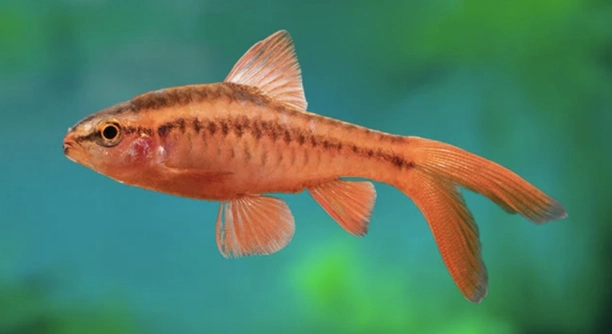
Cherry barbs can be a bit skittish, especially when first introduced to their environment. Understanding how to calm them is key to creating a peaceful and healthy tank for these small, active fish.
To calm a skittish cherry barb, provide hiding spaces, maintain stable water conditions, and avoid sudden movements. Adding soft lighting and minimizing noise can also help reduce stress and encourage them to feel more secure in their environment.
These simple strategies will help you create a comfortable environment for your cherry barb, making them more relaxed and confident in their space.
Creating the Right Environment for Your Cherry Barb
One of the first steps to calming a skittish cherry barb is to create an environment that feels safe and secure. These fish are naturally cautious and can be easily startled by sudden movements, bright lights, or loud noises. Providing hiding spots in the tank, such as plants, rocks, or decorations, can give your cherry barb a place to retreat to when they feel threatened. These shelters make them feel more secure and less likely to hide constantly. Maintaining stable water parameters, like temperature, pH, and hardness, is also essential for their overall well-being. Fish that are constantly exposed to fluctuating water conditions will likely become more stressed.
A well-maintained tank with the right conditions will help your cherry barb adjust and feel more comfortable. Proper water filtration, regular water changes, and consistent temperature control will ensure that they are less likely to become skittish or anxious.
Cherry barbs also respond positively to soft lighting. Intense lighting can be harsh and stressful, so using dim or indirect light will make them feel less exposed. Avoiding sudden changes in the tank’s environment, like rearranging decorations or adding new tank mates too quickly, will also help prevent stress. These small but impactful changes can make a big difference in calming your cherry barb.
Feeding and Interaction
Feeding your cherry barb regularly and consistently will help establish trust and routine. Keeping the feeding times steady and offering a balanced diet will ensure your fish remains healthy and comfortable. Over time, your cherry barb may start to associate you with food, reducing fear.
Fish are creatures of habit. By making the environment predictable, you can gradually reduce your cherry barb’s anxiety. A calm feeding routine encourages them to approach you and feel less nervous.
Providing Proper Tank Size
Cherry barbs thrive in a tank that is large enough for them to move freely. A cramped environment will make them feel stressed and skittish. A tank size of at least 20 gallons is ideal for a small group. This space gives them room to swim, hide, and establish their own territories. A larger tank with plenty of swimming area helps them feel less exposed to potential threats. When choosing tank mates, avoid overly aggressive species, as these can further increase stress levels.
The right tank size also ensures a more stable water environment, as it is easier to maintain consistent water parameters in a larger tank. Frequent water changes and a good filtration system will keep the water clean and safe. With the proper setup, your cherry barb will feel more at ease, making them less likely to exhibit fearful behavior. Avoid overcrowding, as this can lead to more stress and less room for your fish to explore.
In addition to a suitable tank size, consider adding live plants. Plants provide both shelter and an aesthetic appeal that benefits both you and your cherry barb. When fish have plenty of hiding spots, they are more likely to feel secure and less nervous. Creating a natural, calming environment is one of the best ways to promote a healthy and content fish.
Temperature and Water Quality
Maintaining stable water temperature is crucial for calming your cherry barb. Sudden temperature fluctuations can trigger stress responses, making the fish more skittish. Keep the water temperature consistent between 72°F and 78°F (22°C–25°C), as this range is ideal for their comfort.
Water quality is just as important. Poor water conditions can make any fish feel uneasy. Make sure your filtration system works effectively, removing waste and toxins from the water. Regularly test the water’s pH, hardness, and ammonia levels to ensure they are within safe ranges. High levels of ammonia or nitrates can cause stress and health issues, so it’s vital to perform water changes regularly.
Good water quality helps your cherry barb remain calm and healthy, reducing the risk of stress-induced behavior. Stable water temperature and quality contribute to a peaceful environment, making it easier for your cherry barb to adapt and become more confident. With the right care, your fish will show their natural, calm behavior over time.
Avoiding Sudden Movements
Sudden movements around the tank can startle your cherry barb and cause stress. Try to move slowly and avoid making loud noises near the aquarium. These small changes can make a noticeable difference in how your fish behave. Creating a calm atmosphere will help them feel more at ease.
If you need to clean the tank or perform maintenance, do so gently and with minimal disruption. Sudden or jerky motions can trigger anxiety in your fish, making them more likely to hide or swim erratically. Keeping things as consistent as possible will reduce unnecessary stress.
Tank Mates and Social Environment
Choosing the right tank mates is essential for creating a peaceful environment. Cherry barbs do well with other peaceful species, but aggressive fish can make them feel threatened. Avoid large or overly territorial fish that could intimidate them. Consider other small, non-aggressive fish as companions.
Cherry barbs are social fish, but they don’t do well in overly crowded tanks. Having enough space allows them to interact with others without feeling overwhelmed. Ensuring there are enough hiding places for all the fish reduces competition and stress, leading to a calmer tank environment.
Light and Day-Night Cycle
Maintaining a consistent light and dark cycle is important for your cherry barb’s well-being. Excessive lighting can cause stress, especially if the tank is constantly bright. Using a timer for your lights can help simulate natural day and night rhythms, reducing unnecessary anxiety for your fish.
A consistent day-night cycle allows your cherry barb to feel more comfortable in their environment. Fish need time to rest, and the right lighting helps establish this routine. At night, dimming the lights or using a nightlight can give them a sense of security and relaxation.
FAQ
What are the signs that my cherry barb is stressed?
Stressed cherry barbs may show signs like erratic swimming, hiding more than usual, or rubbing against objects in the tank. They might also lose their color or appear more lethargic. If your cherry barb is constantly hiding or seems to be avoiding other tank mates, it’s a good indication that something in their environment is causing stress. In some cases, stressed cherry barbs may stop eating or refuse food, which is another clear sign that they are not comfortable.
How can I help a cherry barb that is hiding too much?
If your cherry barb is hiding more than usual, it’s likely feeling unsafe or stressed. Ensure that there are enough hiding spaces in the tank, but also provide open spaces for swimming. Having plants, rocks, and decorations strategically placed in the tank can offer security without making the environment feel too cramped. Additionally, check that the water parameters, such as temperature and pH, are consistent. Avoid sudden movements or noises near the tank, as this can startle them and cause more hiding.
Can I add more cherry barbs to my tank?
Adding more cherry barbs can actually help reduce stress if they feel safer in a group. These fish are social and often feel more comfortable when they are with others of their kind. However, it’s essential to avoid overcrowding the tank, as this can lead to territorial disputes and increased stress. If you plan to add more cherry barbs, ensure that the tank has enough space and hiding spots to accommodate them all comfortably. This will help create a peaceful social environment.
How often should I feed my cherry barb?
Feeding your cherry barb once or twice a day is sufficient. Overfeeding can lead to water quality issues and stress for your fish. It’s important to offer small amounts of food that they can consume in a few minutes. You can also vary their diet to include different types of fish food, like flakes, pellets, and occasional treats such as brine shrimp or daphnia. Consistency is key in feeding, as it helps your cherry barb build a routine, which can contribute to their overall sense of security.
What are the ideal water conditions for a cherry barb?
Cherry barbs prefer stable water conditions. The ideal temperature range for them is between 72°F and 78°F (22°C to 26°C). They also thrive in slightly acidic to neutral water with a pH between 6.5 and 7.5. Water hardness should be between 5-12 dGH. Maintaining consistent water parameters is crucial in keeping your cherry barbs calm. Sudden changes can cause stress and harm your fish. Regular water changes and using a quality filtration system will help maintain these ideal conditions.
Why is my cherry barb losing color?
Loss of color in a cherry barb can indicate stress, illness, or poor water conditions. If your cherry barb is not feeling secure, it may lose its vibrant red hue. Stress can also lead to the loss of color. Check the tank for signs of aggressive tank mates or changes in the environment that might be affecting your fish. Ensure the water temperature, pH, and hardness are stable. If the issue persists, it could be a sign of illness, and a checkup from a veterinarian may be necessary.
How can I calm a cherry barb that seems scared?
If your cherry barb seems scared, reducing environmental stressors is key. Keep noise levels to a minimum and avoid sudden movements around the tank. Creating hiding spaces with plants or decorations can help your fish feel secure. Additionally, ensure that the tank’s water conditions are stable. If the fish is new to the tank, give it time to adjust to its new environment. Avoid crowding the tank and consider lowering the light levels to help calm your fish.
Do cherry barbs prefer dim or bright lighting?
Cherry barbs prefer dim lighting, which mimics their natural environment. Too much light can be stressful for them, causing them to hide or become more skittish. A consistent light cycle with 10-12 hours of light followed by darkness will help them feel comfortable. Using a soft, indirect light is ideal for creating a peaceful environment where they can feel secure. If necessary, consider adding floating plants to reduce the brightness in the tank.
Can cherry barbs live with other types of fish?
Yes, cherry barbs can live with other peaceful species. They do well in community tanks with fish that are similar in size and temperament, such as tetras or rasboras. Avoid keeping them with large or aggressive fish, as this can cause stress. Cherry barbs are peaceful and non-territorial, making them excellent tank mates for a variety of other species. However, always monitor interactions when introducing new fish to ensure they get along.
How do I encourage my cherry barb to come out of hiding?
To encourage your cherry barb to come out of hiding, reduce potential stress factors in the tank. Ensure the water conditions are stable and that the environment is peaceful. Avoid loud noises and sudden movements. Adding plants or decorations that offer a sense of security without overcrowding the space will make your fish feel more comfortable. Sometimes, just giving the fish time to adjust to the tank and its surroundings will encourage it to venture out more often.
What should I do if my cherry barb is swimming erratically?
Erratic swimming could be a sign of stress, illness, or poor water quality. Start by checking the water parameters, such as temperature, pH, and ammonia levels, to ensure they are within the optimal range. If everything seems fine with the water, consider whether the fish might be stressed by other tank mates or changes in the environment. If the erratic swimming continues, consider isolating the affected fish in a quarantine tank and consulting a vet for further evaluation.
Final Thoughts
Ensuring the well-being of your cherry barb involves providing a stable and calm environment. These fish thrive in tanks with peaceful, non-aggressive companions and consistent water conditions. By maintaining optimal water parameters, such as temperature, pH, and hardness, you reduce the chance of stress-related issues. Additionally, keeping the tank free from loud noises and sudden movements will allow your cherry barb to feel more secure and comfortable in its environment. Simple changes in the way you manage the tank can make a significant difference in your fish’s overall health and behavior.
It is important to pay attention to the signs of stress in your cherry barb. These can include hiding, erratic swimming, or color loss. If any of these signs appear, check the tank for potential stressors such as aggressive tank mates or unstable water conditions. Giving your fish enough space and hiding spots to feel safe is essential. Providing a peaceful and well-balanced tank is key to keeping your cherry barb calm and healthy. Monitoring the behavior of your fish and adjusting the environment accordingly will help prevent long-term stress and discomfort.
In summary, by creating a peaceful, stress-free environment, your cherry barb can live a happier and healthier life. Regular monitoring of tank conditions, being mindful of their social needs, and offering a stable routine will greatly contribute to their overall well-being. With these steps, you can ensure that your cherry barb remains active, vibrant, and free from unnecessary stress. Taking the time to understand the needs of your fish and making slight adjustments will create a thriving tank that benefits both you and your cherry barb.

Hello,
If you enjoy the content that we create, please consider saying a "Thank You!" by leaving a tip.
Every little bit helps us continue crafting quality advice that supports the health, happiness, and well-being of pets around the world, for pets of all shapes, sizes, and species.
We really appreciate the kindness and support that you show us!