
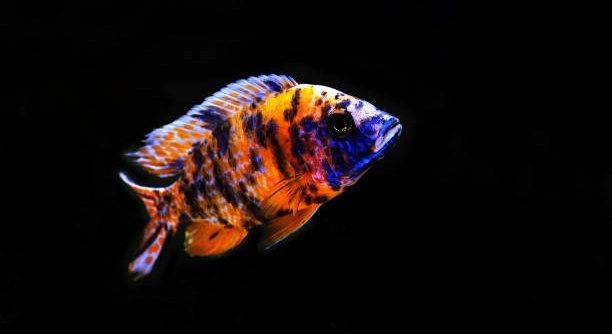
African cichlids are popular aquarium fish known for their vibrant colors and unique behaviors. Many hobbyists enjoy breeding them, but success can sometimes be challenging. Understanding simple ways to encourage breeding can improve results for both beginners and experienced keepers.
Boosting breeding in African cichlids involves creating optimal conditions such as maintaining water quality, providing proper nutrition, ensuring suitable tank environments, and managing stress levels. These factors collectively enhance the fish’s readiness to reproduce and care for their offspring.
Improving breeding success requires attention to key details that support the fish’s natural habits and health. These tricks will help you create a better environment for your cichlids to thrive and multiply.
Maintain Stable Water Conditions
Stable water conditions are essential for breeding African cichlids. These fish are sensitive to changes in temperature, pH, and hardness. Keeping the water temperature consistent, ideally between 75 to 82 degrees Fahrenheit, helps encourage spawning. The pH should be slightly alkaline, around 7.8 to 8.6, which mimics their natural habitat. Regular testing of water parameters ensures the environment remains stable. Sudden changes can stress the fish, causing them to delay or avoid breeding. Frequent water changes, around 20-30% weekly, help keep the tank clean and reduce harmful waste buildup. Avoid introducing chemicals or treatments that could disrupt the delicate balance. Filtration should be efficient but not create strong currents that disturb the fish. Maintaining these conditions creates a comfortable setting that signals safety and readiness for reproduction.
Consistent water conditions reduce stress and support the cichlids’ health, which is crucial for successful breeding.
Proper tank maintenance improves not only breeding chances but also the overall well-being of your fish. Careful monitoring and gradual adjustments allow the fish to stay healthy and focus energy on raising fry. Good water quality encourages natural behaviors such as nest building and parental care, which are important for offspring survival. The attention to these details will pay off with healthier, more active fish that breed regularly.
Provide High-Quality Nutrition
A balanced diet plays a major role in breeding success. Feeding your cichlids a variety of high-quality foods like pellets, flakes, and live or frozen foods ensures they receive the necessary nutrients. Protein-rich diets support egg production and improve fry viability. Avoid overfeeding, as excess food can foul the water and increase maintenance needs. Supplementing with vitamins can strengthen immune systems and improve coloration, which is often a sign of good health. Offering occasional treats like brine shrimp or bloodworms can stimulate spawning behavior by mimicking their natural diet. Consistent feeding schedules help maintain stable digestion and energy levels, further encouraging reproduction. High-quality nutrition combined with clean water promotes optimal breeding conditions and healthier offspring.
Create Suitable Spawning Sites
African cichlids need proper places to lay eggs. Provide flat rocks, caves, or clay pots in the tank. These sites offer security and encourage natural breeding behaviors. Make sure there is enough space between these spots to reduce territorial conflicts.
Spawning sites should mimic the fish’s natural environment. Flat rocks work well because many cichlids lay eggs on hard surfaces. Caves and clay pots give hiding places for eggs and fry, protecting them from aggression. Arranging several options allows fish to choose their preferred site, which can reduce stress and improve breeding success. Keeping the tank organized with clear territories helps prevent fights that might harm eggs or adults.
Placement of these structures matters too. Position them away from strong currents to keep eggs safe and undisturbed. Regularly clean these areas to prevent algae buildup, which could threaten the eggs. Paying attention to these details will encourage fish to spawn and care for their young.
Control Tank Population
Overcrowding can stress African cichlids and reduce breeding chances. Keep the number of fish appropriate for the tank size to avoid competition for space and resources. This balance promotes healthier interactions and better breeding outcomes.
When tanks are overcrowded, dominant fish may bully others, preventing weaker ones from breeding. Overpopulation also leads to poor water quality because of increased waste. Stress from competition reduces the fish’s ability to reproduce. Monitoring the number of fish and removing excess individuals helps maintain peace and stable conditions. Providing enough hiding spots and visual barriers further reduces aggression. This control allows pairs or groups to breed without constant disturbances. Regular observation helps detect any signs of stress or conflict early, so adjustments can be made quickly to support breeding efforts.
Manage Stress Levels
Stress inhibits breeding in African cichlids. Minimize sudden changes in lighting, water, or tank setup. Keep the environment calm to encourage natural behaviors.
Consistent routines help the fish feel secure. Avoid overcrowding and aggressive tank mates that may cause tension and disrupt breeding efforts.
Monitor Water Quality Regularly
Maintaining good water quality is critical for breeding success. Regular testing for ammonia, nitrite, nitrate, and pH ensures conditions stay within safe limits. Poor water quality causes stress, illness, and lowers spawning chances. Keeping parameters stable supports the health of adults and fry alike.
Separate Breeding Pairs
Isolating breeding pairs helps reduce aggression from other fish. This practice allows parents to focus on protecting eggs and fry without disturbances.
Adjust Lighting Cycles
Lighting affects breeding cycles. Simulate natural day and night periods with about 10–12 hours of light daily to support spawning behavior.
How often do African cichlids breed?
African cichlids can breed frequently under ideal conditions. Many species spawn every few weeks when water quality, diet, and environment are suitable. However, breeding frequency varies by species and tank setup. Maintaining stable conditions encourages regular spawning cycles.
What signs show my cichlids are ready to breed?
You may notice increased territorial behavior and changes in coloration, with males often becoming brighter. Fish may also clean or guard specific areas, like rocks or caves, preparing a spawning site. Mouthbrooders may hold eggs or fry in their mouths.
How long does it take for cichlid eggs to hatch?
Eggs typically hatch within 2 to 7 days, depending on the species and water temperature. Warmer water speeds up development but should remain within safe limits to avoid stress. After hatching, fry often remain protected by parents for several weeks.
Can I breed different types of African cichlids together?
Breeding different species together is generally not recommended due to aggressive behavior and the risk of hybrid offspring. It is best to keep breeding pairs or groups of the same species to maintain natural traits and reduce stress.
What should I feed fry after they hatch?
Initially, fry feed on their yolk sacs. Once they start swimming freely, provide fine foods like crushed flakes, baby brine shrimp, or specialized fry foods. Feeding small amounts multiple times daily promotes healthy growth.
How do I prevent aggression during breeding?
Aggression is natural but can be minimized by providing plenty of hiding spots and territories. Avoid overcrowding and remove overly aggressive individuals if necessary. Separating breeding pairs or using dividers can protect less dominant fish and their offspring.
Is it necessary to separate fry from adults?
Separating fry is helpful in many cases to prevent them from being eaten. Some parent cichlids protect their young well, but many others do not. Raising fry in a separate tank improves survival rates and allows for better feeding control.
What water parameters are best for breeding?
African cichlids prefer a pH between 7.8 and 8.6, temperature around 75 to 82 degrees Fahrenheit, and moderate hardness. Stable parameters reduce stress and support egg development and fry health. Regular testing and maintenance are essential.
How do I encourage shy cichlids to breed?
Creating a calm, secure environment with plenty of cover can help shy fish feel safe. Avoid sudden movements or loud noises near the tank. Consistent feeding and routine care build trust and encourage natural behaviors, including breeding.
Can breeding African cichlids damage my tank setup?
Breeding activity can sometimes lead to increased aggression and digging, which may disturb plants or decorations. Using hardy plants and sturdy decorations helps minimize damage. Regular maintenance keeps the tank clean and balanced during breeding periods.
These questions cover common concerns and practical advice for breeding African cichlids successfully. Understanding your fish’s needs and behavior will improve your results and create a healthier, more balanced aquarium environment.
Breeding African cichlids can be a rewarding experience when approached with patience and care. These fish require specific conditions to reproduce successfully, including stable water parameters, proper nutrition, and a suitable environment. Understanding the basic needs of your cichlids helps create an atmosphere where they feel safe and ready to breed. Paying attention to details like water quality, tank setup, and stress reduction is essential. While it may take some time to see results, consistent effort and observation make a significant difference.
Creating the right environment involves more than just setting up a tank. Providing proper spawning sites such as flat rocks or caves encourages natural breeding behaviors. Keeping the tank population balanced helps reduce aggression and competition, which can otherwise prevent successful mating. Feeding your fish a nutritious diet supports their health and increases the chances of producing healthy offspring. Monitoring water conditions regularly and adjusting lighting cycles to mimic natural habitats also support reproduction. These factors work together to promote breeding and help maintain a healthy community.
Breeding African cichlids requires commitment, but the process can be enjoyable and educational. Watching the fish prepare for spawning, care for eggs, and raise fry offers insight into their behaviors and needs. With patience and attention to the steps involved, it is possible to boost breeding success and maintain a thriving aquarium. By following practical strategies and respecting the fish’s natural habits, you support their health and encourage regular breeding. The effort invested often leads to satisfying results and a deeper connection with these colorful, fascinating fish.

Hello,
If you enjoy the content that we create, please consider saying a "Thank You!" by leaving a tip.
Every little bit helps us continue crafting quality advice that supports the health, happiness, and well-being of pets around the world, for pets of all shapes, sizes, and species.
We really appreciate the kindness and support that you show us!