
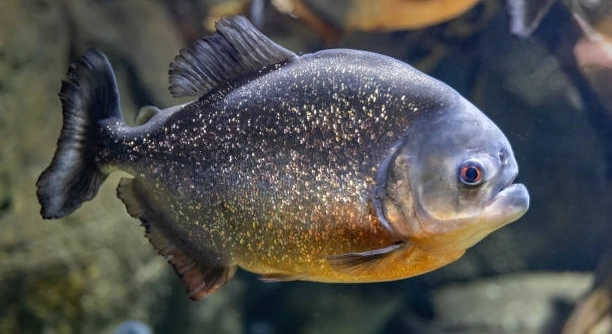
Tank noise can be a common issue for piranha owners, affecting both the environment and daily enjoyment. Loud equipment sounds can create stress for fish and disrupt the peaceful atmosphere around the aquarium. Managing noise levels is essential for a better experience.
Reducing tank noise involves addressing vibration sources, securing equipment, and using sound-dampening materials. Proper placement of pumps and filters, combined with routine maintenance, significantly decreases unwanted sounds produced by piranha tanks. These measures improve both fish welfare and owner comfort.
Effective noise reduction improves aquarium conditions and makes caring for piranhas more pleasant. The following tips will help maintain a quieter tank environment for both fish and their owners.
Identifying Noise Sources in Your Piranha Tank
Tank noise typically comes from a few common sources. The main ones are filters, air pumps, and vibrations caused by poorly secured equipment. Filters and pumps push water and air, creating humming or buzzing sounds. If these devices rest directly on a hard surface or the tank glass, the noise can intensify through vibrations. Another noise factor is water movement hitting tank decorations or the tank walls. Even the placement of tubing and hoses can add to the overall sound level. Understanding where the noise originates is the first step to controlling it. Regularly checking equipment for wear or damage also helps reduce unexpected loud noises that can startle your piranhas or disturb the room’s calm atmosphere. Keeping an eye on these details makes tank maintenance easier and your piranha environment more comfortable.
Reducing noise starts with recognizing and addressing these common sources systematically and promptly.
Lowering noise levels not only protects your piranhas from stress but also creates a more pleasant space for you to enjoy your aquarium without distraction.
Using Vibration Dampeners and Padding
Adding vibration dampeners beneath equipment is an effective way to reduce noise. Materials like foam pads, rubber mats, or specialized aquarium equipment dampeners absorb vibrations that cause rattling and humming. Placing these between pumps or filters and the tank stand lessens noise transfer to the glass and furniture. Additionally, soft padding around tubing or hoses can stop knocking sounds when water flows through them. Be sure the equipment remains stable on the padding to avoid movement that could increase noise. This simple step reduces mechanical sound without affecting tank performance. It is an affordable and easy solution that many tank owners overlook.
In addition to vibration padding, soundproofing the aquarium stand or placing the tank on a stable surface reduces overall noise. Heavy furniture or thick mats beneath the entire tank structure can also help. Avoid using hard, resonant materials that amplify noise. Properly managing the environment around the tank is as important as focusing on the equipment itself. Combining vibration dampeners with good placement improves sound control significantly.
Regularly checking and replacing worn-out pads keeps noise levels low over time. Noise reduction is an ongoing process that requires attention but results in a more peaceful aquarium experience.
Proper Equipment Placement
Placing filters and pumps away from tank walls reduces noise by limiting vibration transfer. Keep devices on stable, non-resonant surfaces to minimize sound amplification. Avoid crowded or enclosed spaces where sound can echo.
Correct placement helps disperse noise evenly, preventing concentrated vibrations on the tank glass or stand. Positioning equipment on sturdy furniture or a stand designed for aquariums decreases rattling and humming sounds. Using flexible tubing instead of rigid pipes reduces transmitted vibrations as well. Moving pumps slightly off-center or using suction cups to secure them to tank walls can also lessen noise. Proper airflow and water flow pathways help equipment run more quietly.
Checking the tank area for hard surfaces that reflect sound allows for adjustments. Placing soft materials like mats or rugs nearby can absorb excess noise. These small changes have a noticeable impact on the overall sound environment. Experimenting with equipment location can lead to a quieter tank with minimal effort.
Routine Maintenance and Cleaning
Cleaning filters regularly prevents buildup that forces pumps to work harder, increasing noise. Replace worn-out parts like impellers or seals to maintain smooth operation. Ignoring maintenance leads to louder, less efficient equipment.
Scheduled upkeep reduces friction and mechanical wear, which are major contributors to noise. Removing debris and algae buildup keeps water flowing smoothly and quietly through the system. Regular inspection of hoses and connections avoids leaks and vibrations caused by loose fittings. Lubricating moving parts where possible also reduces grinding sounds.
Investing time in maintenance extends equipment lifespan and maintains a peaceful tank environment. A quiet, well-functioning system improves both fish health and owner comfort. Neglecting upkeep not only increases noise but risks equipment failure, which could be costly and stressful. Consistent care is the simplest long-term method for controlling tank noise effectively.
Choosing Quiet Equipment
Selecting pumps and filters designed for quiet operation reduces tank noise significantly. Look for models labeled as “silent” or “low noise” to improve the aquarium environment. Investing in quality equipment pays off with less disruption.
Energy-efficient devices often produce less vibration and heat. This results in quieter performance and longer durability. Newer models feature improved motor designs and sound insulation that lower operational noise without sacrificing function.
Adjusting Water Flow Rate
Reducing the flow rate of pumps and filters can decrease splashing and rushing water sounds. Lower water movement reduces mechanical noise but still maintains healthy oxygen levels for piranhas. Adjust flow gradually to balance noise and tank conditions.
Insulating the Aquarium Stand
Adding soft materials inside or under the aquarium stand helps absorb vibrations and prevent noise from spreading. Foam, cork, or rubber sheets are good choices to create a quieter setup and protect surfaces.
Managing Ambient Room Noise
Controlling background noise in the room reduces overall sound levels and helps the tank noise seem less intrusive. Simple measures like closing doors or using rugs aid sound absorption.
FAQ
Why is my piranha tank so noisy?
Noise in a piranha tank mainly comes from equipment like filters, air pumps, and water movement. When these devices operate, they create vibrations and sound waves that can resonate through the tank glass, stand, or nearby surfaces. Poor placement or worn parts may increase noise levels. Tubing hitting the tank or other decorations can also add to the sound. Addressing these common factors usually reduces the noise.
How can I reduce humming or buzzing sounds?
Humming or buzzing often comes from motors and pumps vibrating against hard surfaces. Using vibration dampeners such as rubber pads or foam under the equipment helps absorb these vibrations. Securing loose parts and adjusting placement to avoid direct contact with the tank or furniture also lowers noise. Regular maintenance to clean and lubricate moving parts prevents excess strain that causes louder operation.
Is it safe to turn down the filter flow to reduce noise?
Yes, lowering the filter flow rate can help reduce noise without harming water quality, as long as the flow remains adequate for proper filtration and oxygenation. Adjust the flow gradually while observing the tank environment to ensure your piranhas get enough clean water and oxygen. Some filters have built-in flow controls, or you can use valves to fine-tune the water movement.
Can changing the aquarium stand reduce noise?
A stand made from solid, heavy materials or one with built-in soundproofing can reduce noise by stabilizing the tank and absorbing vibrations. Adding soft padding like cork, rubber, or foam sheets between the tank and stand also helps. Avoid stands made of thin or hollow materials, which can amplify vibrations and increase noise levels.
Will cleaning the tank equipment make it quieter?
Yes, regular cleaning keeps pumps and filters running smoothly. Debris buildup and algae growth can cause parts to work harder and create more noise. Worn or damaged parts should be replaced promptly to avoid grinding or rattling sounds. Proper maintenance improves equipment efficiency and reduces overall noise.
Are all pumps and filters noisy?
No, some pumps and filters are designed to operate quietly. Models labeled “silent” or “low noise” often have better motor insulation, improved bearings, and reduced vibration. Investing in quality equipment made for quieter performance can greatly improve the sound environment in your tank.
Does the placement of equipment affect noise levels?
Yes, placing pumps and filters away from direct contact with the tank walls or furniture reduces vibration transfer. Using suction cups to attach equipment securely and positioning devices on vibration-absorbing surfaces help prevent rattling. Flexible tubing instead of rigid pipes can also lessen noise caused by movement.
Can ambient room noise affect how loud the tank sounds?
Ambient noise plays a role in how noticeable tank sounds are. In a quiet room, even small noises from the tank become more apparent. Using rugs, curtains, or closing doors reduces echo and absorbs sound, making the tank noise less intrusive.
Is it harmful for piranhas if the tank is noisy?
Excessive noise and vibrations can stress piranhas, affecting their health and behavior. They prefer stable, calm environments. Reducing tank noise improves their comfort and well-being, promoting healthier fish and a more enjoyable aquarium.
What materials work best for vibration dampening?
Soft, dense materials like rubber mats, foam pads, or cork sheets absorb vibrations effectively. These materials placed under pumps, filters, or tubing prevent sound from traveling through hard surfaces. Avoid hard plastics or thin materials that can amplify noise.
How often should I perform maintenance to keep noise low?
Routine cleaning and inspection every few weeks is recommended. Check for debris buildup, loose fittings, or worn parts regularly. Replacing damaged components promptly prevents increased noise and potential equipment failure.
Can I DIY solutions to reduce tank noise?
Yes, simple fixes like placing foam pads under equipment, wrapping tubing with soft material, or adding a rubber mat under the tank can reduce noise. Experimenting with equipment placement and padding often leads to noticeable improvements without major costs.
Will lowering the water level in the tank reduce noise?
Lowering water levels might reduce splashing sounds but can harm water quality and fish health if done excessively. It is better to adjust equipment flow and placement to manage noise while maintaining proper water levels.
Does the type of filter affect noise?
Yes, different filter types vary in noise production. Canister filters tend to be quieter than internal or power filters. Choosing a filter type that suits your tank size and noise preferences improves the environment for both fish and owner.
What should I do if noise suddenly increases?
Sudden noise increases often indicate equipment issues like clogging, worn parts, or loose fittings. Inspect and clean your equipment immediately. Tighten or replace parts as needed. Ignoring these signs may lead to equipment failure and stress for your fish.
Final Thoughts
Reducing tank noise around piranhas improves both the aquarium environment and your daily experience. Excessive noise can be distracting and even stressful for the fish. By focusing on proper equipment placement, regular maintenance, and choosing quieter devices, it is possible to create a calmer atmosphere. This makes caring for piranhas more enjoyable and helps maintain their health. Small adjustments often have a significant effect on lowering noise levels without requiring major changes or expenses.
Routine upkeep is one of the most effective ways to keep noise under control. Cleaning filters, pumps, and other equipment prevents the buildup of debris that forces machines to work harder and louder. Replacing worn or damaged parts on time helps avoid unnecessary vibrations or grinding sounds. This attention to detail not only quiets the tank but also prolongs the life of your aquarium tools. Consistency in maintenance is key to preventing noise problems before they start.
Choosing the right equipment and using simple noise-reduction methods also play a big role. Quiet pumps and filters designed with noise reduction in mind provide immediate relief. Adding vibration-dampening materials such as foam or rubber under the tank or equipment further cuts down on sound. Adjusting water flow rates and positioning devices thoughtfully reduces splashing and mechanical noise. These combined efforts result in a quieter tank that benefits both the piranhas and their keeper, creating a more peaceful environment overall.

Hello,
If you enjoy the content that we create, please consider saying a "Thank You!" by leaving a tip.
Every little bit helps us continue crafting quality advice that supports the health, happiness, and well-being of pets around the world, for pets of all shapes, sizes, and species.
We really appreciate the kindness and support that you show us!