
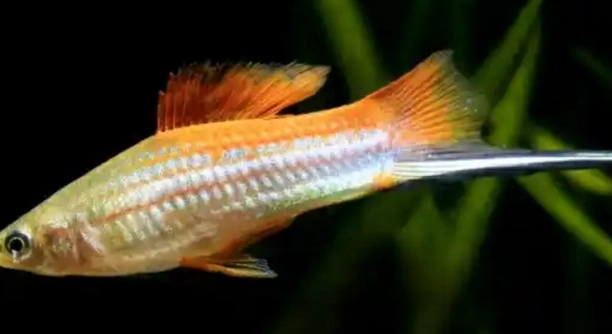
Maintaining clear water in a swordtail tank can be challenging. Fish tanks often experience cloudy water due to various factors such as overfeeding, poor filtration, and high levels of waste. This article offers practical tips to address these issues.
The primary reason for cloudy tank water in swordtail aquariums is excess waste and inadequate filtration. Overfeeding, high fish density, and infrequent water changes contribute significantly to poor water quality. Proper tank maintenance ensures optimal water clarity.
These straightforward tips will help you maintain a cleaner tank and a healthier environment for your swordtails.
Maintain Proper Filtration
A good filtration system is one of the most effective ways to keep swordtail tank water clear. A reliable filter removes debris, excess food, and fish waste from the water. It’s essential to choose the right filter based on the tank size and fish load. A filter that is too small for the tank will not provide enough water circulation, while a filter that is too large can cause strong currents that stress the fish.
Additionally, regularly cleaning the filter will prevent it from becoming clogged. Most filters need maintenance every 4 to 6 weeks, but this can vary depending on your tank’s conditions. If you notice a decrease in filtration efficiency, consider replacing the filter media or adjusting its flow rate.
Keeping your filter in good working condition reduces the build-up of harmful substances, making the environment healthier for your swordtails. A clean and effective filter will not only improve water clarity but also reduce the need for frequent water changes.
Limit Overfeeding
Overfeeding is one of the leading causes of poor water quality in a swordtail tank. When you feed your fish more than they can consume, the uneaten food decomposes and leads to an increase in organic waste. This waste not only clouds the water but also contributes to high ammonia levels, which can harm your fish.
Adjusting feeding habits is key. Stick to a regular feeding schedule and only offer enough food that the fish can consume in a few minutes. It’s better to feed small amounts more frequently than large portions at once. Excess food that sinks to the bottom can be vacuumed out during water changes.
To further prevent overfeeding, consider using an automatic fish feeder. This tool ensures you feed your swordtails only what they need, preventing waste buildup in the tank.
Perform Regular Water Changes
Regular water changes are vital for keeping swordtail tank water clear. Fresh water helps remove waste, uneaten food, and harmful chemicals that accumulate over time. Aim for a 25-30% water change every week to maintain optimal water conditions. It’s a simple task that makes a noticeable difference.
When changing the water, use a gravel vacuum to remove debris from the substrate. Make sure the new water matches the tank’s temperature and pH levels to avoid stressing the fish. Tap water may need to be treated with a water conditioner to remove chlorine and other chemicals harmful to aquatic life.
Consistent water changes not only keep the water clear but also support the overall health of your swordtails. Regular changes reduce the likelihood of algae growth and ammonia spikes, which can cloud the water and harm the fish.
Control Algae Growth
Algae growth can quickly cloud the water in your swordtail tank if not kept in check. Algae thrives in tanks with excess nutrients, especially from overfeeding and improper lighting. Reducing the light intensity and duration can help prevent excessive algae growth. Limit light to 8-10 hours per day.
Consider adding live plants to your tank. Healthy plants absorb nutrients that algae would otherwise use, helping to keep the water clear. In addition, a well-balanced tank will support a natural algae-eating population, like snails or certain types of fish. Just ensure these creatures don’t overpopulate.
Algae can also be controlled by using algae-eating species such as nerite snails or certain species of fish, like plecos. These natural cleaners help reduce the need for chemical treatments while maintaining a balanced ecosystem.
Avoid Overcrowding
Overcrowding is a common issue in many fish tanks, and it directly impacts water quality. Too many fish in a small space increases waste production, which leads to cloudy water. It also reduces oxygen levels, making it harder for fish to thrive. Be mindful of your tank’s capacity.
To prevent overcrowding, stick to the recommended fish-to-gallon ratio. Keep an eye on your swordtails’ size as they grow, ensuring they have enough space to swim and thrive. Overcrowding puts extra strain on the filter and can cause other problems like stress and disease.
Use Quality Aquarium Equipment
Investing in quality aquarium equipment is essential for maintaining clear water. A high-quality filter, heater, and thermometer are vital for keeping your tank conditions stable. Good equipment helps regulate water temperature, oxygen levels, and filtration efficiency, all of which contribute to cleaner water.
By using durable and efficient tools, you can avoid frequent breakdowns that may lead to water clarity issues. Quality equipment, along with regular maintenance, ensures the health of your swordtails and prevents the buildup of waste that clouds the water. Long-lasting tools save time and effort in the long run.
Avoid Tap Water Issues
Tap water can often introduce unwanted chemicals, like chlorine or chloramine, which can cloud the water and stress your swordtails. Using untreated tap water can cause rapid changes in water chemistry, which may harm the fish. Always treat tap water with a conditioner before adding it to the tank.
If you notice persistent water clarity problems, consider using a water filter for the tank or switching to distilled water. Water conditioning ensures that your tank stays clean without introducing harmful substances. Regularly testing your water will also help catch any issues early on.
FAQ
What causes cloudy water in a swordtail tank?
Cloudy water is often caused by excess waste, overfeeding, or insufficient filtration. When there is too much organic material in the water, it can break down and cause it to cloud up. Poor water circulation or an underpowered filter can exacerbate the problem. Regular maintenance, including water changes and filter cleaning, can help prevent this issue.
How often should I change the water in my swordtail tank?
It’s recommended to change 25-30% of the water in your swordtail tank every week. Regular water changes help remove excess waste, maintain proper chemical levels, and keep the water clear. If you notice the water clouding between changes, it may indicate overfeeding or filtration issues, which require immediate attention.
How can I reduce the growth of algae in my swordtail tank?
Algae thrives on excess nutrients, especially from overfeeding and improper lighting. To control algae growth, reduce the amount of light your tank receives to 8-10 hours per day. Also, consider adding live plants to absorb excess nutrients. Algae-eating fish or snails can help keep the algae under control naturally.
Can I use tap water for my swordtail tank?
Tap water can be used for your swordtail tank, but it must be treated to remove harmful chemicals like chlorine and chloramine. These chemicals can harm your fish and disrupt the tank’s ecosystem. Use a water conditioner to neutralize these substances before adding tap water to your tank.
How do I know if my filter is working properly?
A properly functioning filter should create adequate water movement without creating strong currents that stress your swordtails. If you notice the water becoming cloudy quickly or the filter producing little to no water flow, it’s time to clean or replace the filter media. A good filter should efficiently remove waste and improve water clarity.
What is the ideal temperature for swordtails?
Swordtails thrive in water temperatures between 72°F and 78°F (22°C-25°C). Consistent temperature regulation is essential for their health and the overall stability of the tank’s ecosystem. Using a reliable heater and thermometer will help maintain the ideal conditions for your swordtails and prevent stress caused by temperature fluctuations.
How many swordtails can I keep in a 20-gallon tank?
In a 20-gallon tank, you can keep about 4-5 swordtails comfortably. Overcrowding can lead to water quality issues, increased waste, and stressed fish. It’s important to follow the general guideline of one inch of fish per gallon of water, although this can vary based on your tank’s filtration and other conditions.
What are the signs of poor water quality?
Poor water quality can be identified by cloudy water, foul odors, or visible fish stress. Swordtails may become lethargic, swim erratically, or show signs of disease, such as faded colors or white spots. Regular water testing will help you detect ammonia, nitrites, and other harmful chemicals before they cause harm.
Why do I see bubbles on the surface of my swordtail tank?
Bubbles on the surface of your tank may be caused by an overactive filter, excessive aeration, or poor water surface movement. It can also be a sign that the water contains high levels of organic waste. If you notice excessive bubbling, check the water flow and clean your filter regularly to maintain balance.
How do I prevent overfeeding in my swordtail tank?
Overfeeding can quickly deteriorate water quality. Feed your swordtails only what they can consume in 2-3 minutes. If you notice uneaten food in the tank after feeding, reduce the portion size. Consider using an automatic feeder to regulate feeding times and avoid the temptation to overfeed.
Should I add live plants to my swordtail tank?
Yes, adding live plants is beneficial for your swordtail tank. They help absorb excess nutrients in the water, reducing algae growth and improving water quality. Plants also provide hiding spots and natural decoration for your swordtails. Be sure to choose plants that are suitable for the tank’s water conditions.
How can I improve water clarity without chemicals?
To improve water clarity naturally, focus on maintaining a good filtration system, performing regular water changes, and avoiding overfeeding. Adding algae-eating fish or snails can help reduce algae growth. Live plants will also help balance the nutrient levels in the tank. These natural methods ensure a healthier environment for your swordtails.
Can I use a UV sterilizer for clearer water?
A UV sterilizer can be effective in clearing up cloudy water caused by microorganisms such as bacteria or algae. It works by passing the water through a UV light that kills these organisms. However, it’s important to combine this with proper filtration and maintenance to address the root cause of water clarity issues.
What is the best filter for a swordtail tank?
The best filter for a swordtail tank depends on the tank size and the number of fish. A good choice is a hang-on-back (HOB) filter or a canister filter, as both provide efficient filtration and water circulation. The filter should be able to handle the tank’s volume and fish load without overloading the system.
How do I clean the substrate in my swordtail tank?
Cleaning the substrate is essential for maintaining water quality. Use a gravel vacuum during water changes to remove debris and waste that settles on the bottom. This will help prevent waste from breaking down and clouding the water. Regularly cleaning the substrate ensures the tank stays clean and your swordtails remain healthy.
Final Thoughts
Maintaining clear water in a swordtail tank is essential for the health of your fish and the overall appearance of your aquarium. Regular maintenance, such as proper water changes, using the right filter, and monitoring water quality, will go a long way in preventing cloudiness. Even small adjustments, like controlling feeding habits or adjusting lighting, can make a big difference. Keeping the tank balanced ensures that your swordtails have a clean and safe environment to thrive in.
Another key factor in maintaining clear water is preventing overcrowding. When there are too many fish in the tank, waste builds up more quickly, and the filter struggles to keep up. It’s essential to avoid overstocking your tank, as this puts added stress on the ecosystem. A balanced number of fish, along with good filtration and regular water changes, will make it easier to maintain clear water. Keeping an eye on your fish’s health also helps in detecting potential water quality issues before they become serious problems.
By paying attention to the factors that affect water clarity—such as feeding habits, water treatment, filtration, and stocking levels—you create a stable environment for your swordtails. Remember, even minor changes in routine or equipment can have a significant impact on your tank’s water quality. Consistent care and attention will help you maintain clear water, ensuring that your swordtails have a healthy and thriving home.

Hello,
If you enjoy the content that we create, please consider saying a "Thank You!" by leaving a tip.
Every little bit helps us continue crafting quality advice that supports the health, happiness, and well-being of pets around the world, for pets of all shapes, sizes, and species.
We really appreciate the kindness and support that you show us!