
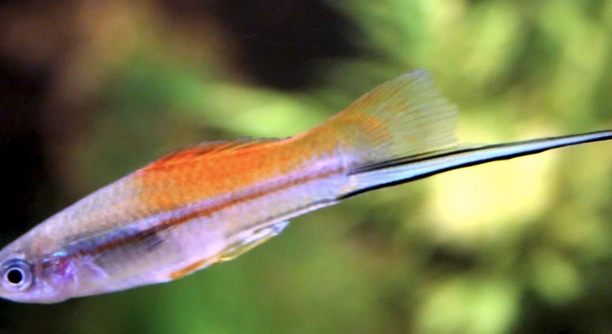
Maintaining clean water in your swordtail tank is crucial for their health and well-being. You might be wondering how to keep their aquatic home sparkling clean without a lot of effort.
To maintain cleaner water, regular water changes, proper filtration, and monitoring water parameters like pH and ammonia levels are essential. Avoid overfeeding and remove any uneaten food to prevent contamination. These steps help keep the tank environment stable.
Implementing these practices can significantly improve your swordtail’s water quality. From filtration techniques to routine maintenance, you’ll learn how small changes can lead to a healthier, cleaner tank.
Regular Water Changes
Changing the water in your swordtail tank is one of the simplest ways to ensure a clean environment. Aim to replace about 25% of the water every week. This helps remove excess waste, toxins, and uneaten food. When doing water changes, always use a siphon to vacuum the substrate, which prevents debris buildup. Additionally, make sure to treat new water with a dechlorinator to keep your fish safe. Regular water changes can prevent many common tank issues, including cloudy water and high ammonia levels, both of which can be harmful to your swordtails.
Even with a filter, water can still accumulate waste, so changing it regularly is necessary. Consistency is key. Over time, this routine will make a significant difference in water clarity and overall fish health. It also helps to keep the tank’s biological filter in good condition by preventing nutrient overload.
By sticking to a steady water change schedule, your swordtail tank will stay cleaner for longer. It also reduces the chances of algae blooms and harmful bacteria. If you’ve been neglecting this task, now’s the perfect time to start fresh.
Proper Filtration
An efficient filter is essential for maintaining clear water in your swordtail tank. It removes particles, waste, and chemicals that could otherwise harm your fish. Be sure to choose a filter with an appropriate flow rate for the size of your tank.
A good filter ensures that your swordtails have clean water to swim in. It not only keeps the water clear but also removes excess nutrients that promote algae growth. However, you must regularly clean or replace the filter media to keep it working efficiently. A dirty filter can become a breeding ground for harmful bacteria, which could negatively affect water quality.
It’s important to understand the different types of filters available, including sponge, hang-on-back, and canister filters. Depending on your tank setup, one of these might work better for you. You’ll also need to clean the filter media periodically to prevent clogging.
Avoid Overfeeding
Overfeeding is a common problem that leads to poor water quality. Swordtails will eat more than they need, causing uneaten food to decompose and pollute the water. To avoid this, feed only what your fish can consume in 2-3 minutes, once or twice a day.
If you find uneaten food at the bottom of the tank, remove it immediately. Excess food breaks down into ammonia, which can harm your fish and cause cloudiness. You may also notice an increase in algae growth from the added nutrients. By sticking to the right feeding schedule, you can maintain cleaner water and healthier swordtails.
To monitor feeding amounts, try offering small portions and observing how much your swordtails actually eat. You can always add more if necessary. Remember, it’s better to feed too little than too much. A consistent routine will keep the tank cleaner and your swordtails happy.
Tank Maintenance Routine
A good tank maintenance routine goes beyond just water changes. Ensure you clean the tank’s decorations, substrate, and walls regularly. Dust and algae can build up quickly, making the water appear dirty. Gently scrub the sides of the tank with an aquarium-safe scraper.
If you have live plants, remove any dead leaves to avoid decay in the tank. Trim plants as needed, and check your filter regularly to prevent clogging. A clean environment will help reduce waste buildup and improve water quality. Staying on top of these small tasks makes a big difference in maintaining a healthy tank.
Create a simple checklist for tank maintenance, scheduling specific tasks each week. Whether it’s scrubbing the glass or trimming plants, this will help keep your tank in top condition. Make sure you’re checking the water parameters, too, so your swordtails remain in an optimal environment.
Water Parameters
Water parameters like pH, ammonia, nitrite, and nitrate levels are crucial to swordtail health. Test the water regularly to ensure they stay within safe ranges. This helps maintain clear, healthy water for your fish.
If the water quality is off, it can lead to stressed fish and poor tank conditions. For swordtails, aim for a pH between 7.0-8.0, ammonia and nitrites should be zero, and nitrates should be kept under 20 ppm. Adjust these levels if needed with water changes or by using specialized products. Regular testing keeps water in balance.
Live Plants
Live plants in your tank can help improve water quality by absorbing excess nutrients and providing oxygen. They also help create a more natural environment for your swordtails. However, they need some care to thrive.
Ensure your plants receive adequate lighting and nutrients. Some plants may need supplements to grow properly, especially in tanks with low light or without CO2 injection. Healthy plants can compete with algae for nutrients, reducing algae growth and helping maintain cleaner water.
Avoiding Overcrowding
Overcrowding is another major cause of poor water quality. Swordtails need space to swim freely, and too many fish can lead to excess waste. Keep an eye on your fish population and avoid adding too many to your tank.
FAQ
How often should I change the water in my swordtail tank?
Water changes are essential for keeping the tank clean. It’s recommended to change about 25% of the water every week. This helps remove waste, toxins, and excess nutrients that can harm the fish. Regular changes keep the water fresh and help maintain a stable environment for your swordtails.
Can I use tap water for my swordtail tank?
Yes, you can use tap water, but it’s important to treat it with a dechlorinator before adding it to the tank. Tap water often contains chlorine or chloramine, which can be harmful to fish. Make sure to test the water and adjust pH and hardness if needed before adding it.
What filter is best for a swordtail tank?
A good filter is necessary to maintain clean water. For a swordtail tank, a hang-on-back filter or a canister filter works well, depending on the size of your tank. The filter should provide adequate water flow without being too strong for your fish. Clean the filter media regularly to ensure efficient filtration.
How can I prevent algae in my swordtail tank?
Algae growth is common in aquariums, but it can be controlled with proper care. Keep the lighting to a minimum, as excessive light encourages algae growth. Regular water changes, avoiding overfeeding, and adding live plants can help balance the tank environment. If algae become a problem, you can use algae-eating fish or snails.
Why is the water in my swordtail tank cloudy?
Cloudy water can be caused by several factors, including overfeeding, poor filtration, or a bacterial bloom. First, reduce the amount of food you’re giving your swordtails and ensure the filter is working properly. Perform a water change to remove excess waste. If the cloudiness persists, test the water for ammonia or nitrite levels and adjust as needed.
What should the temperature be in my swordtail tank?
Swordtails thrive in warm water, with an ideal temperature range of 72-78°F (22-26°C). Maintaining a stable temperature is important for their health. Invest in a good aquarium heater to ensure the temperature stays within the right range, especially in colder climates or seasons.
Is it okay to have other fish with swordtails?
Yes, swordtails are peaceful and can live with many other species, but avoid aggressive fish. Good tank mates include peaceful species like guppies, mollies, or other livebearers. Always ensure the tank has enough space for all the fish and that the species have similar water requirements.
How do I clean the substrate in my swordtail tank?
Cleaning the substrate is important for keeping your tank free from waste buildup. Use a siphon vacuum to remove debris from the bottom of the tank during water changes. This prevents excess waste from decaying and polluting the water. Be gentle with live plants, as rough cleaning can damage their roots.
Should I add live plants to my swordtail tank?
Yes, live plants are a great addition to a swordtail tank. They help improve water quality by absorbing excess nutrients and providing oxygen. Plants also provide hiding spots for the fish and enhance the tank’s natural look. However, make sure your plants receive proper light and care to thrive.
How do I test the water quality in my swordtail tank?
You can test the water quality with aquarium test kits that measure pH, ammonia, nitrites, and nitrates. Testing should be done regularly to ensure the water is safe for your swordtails. If the test results are off, adjust the water parameters accordingly. This will help keep the tank environment stable.
What can I do if my swordtail fish seems stressed?
Stressed fish often show signs like erratic swimming, hiding, or loss of color. The stress could be caused by poor water quality, overcrowding, or incompatible tank mates. Test the water, ensure the temperature is right, and reduce stressors like loud noises or strong currents. Providing hiding spots and a calm environment can help your swordtail feel safe again.
How can I control the nitrogen cycle in my swordtail tank?
The nitrogen cycle is essential for maintaining a healthy aquarium. It involves converting toxic ammonia into less harmful nitrates through the action of beneficial bacteria. To keep the cycle stable, avoid overfeeding, perform regular water changes, and ensure proper filtration. Adding live plants can also help by absorbing excess nutrients.
Final Thoughts
Keeping your swordtail tank clean doesn’t have to be difficult. By focusing on a few key tasks, such as regular water changes, proper filtration, and avoiding overfeeding, you can ensure your fish live in a healthy and stable environment. Consistency is the most important factor—setting up a routine for water maintenance, tank cleaning, and checking water parameters will go a long way in preventing common water quality problems. It’s also helpful to monitor your swordtails closely, as any changes in behavior or appearance can be early signs that something is wrong with the water conditions.
One of the most important things to remember is the balance between the fish and the tank’s ecosystem. Swordtails are relatively easy to care for, but they still need an environment that supports their natural needs. This means keeping water clean, providing enough space, and avoiding overcrowding. With the right filtration system, regular water checks, and attention to feeding, the water will stay clear, and your fish will thrive. Don’t forget to check on your live plants, as they can contribute to water quality by absorbing excess nutrients and helping keep algae growth in check.
At the end of the day, swordtail care is about being mindful of the small details. Even small improvements, like maintaining the right temperature, cleaning the substrate, and testing the water regularly, can have a big impact on the health of your fish. Keeping the water clean doesn’t require constant effort, but it does require regular attention. With these steps, you’ll not only have cleaner water but also a happier, healthier tank for your swordtails to swim in.

Hello,
If you enjoy the content that we create, please consider saying a "Thank You!" by leaving a tip.
Every little bit helps us continue crafting quality advice that supports the health, happiness, and well-being of pets around the world, for pets of all shapes, sizes, and species.
We really appreciate the kindness and support that you show us!