
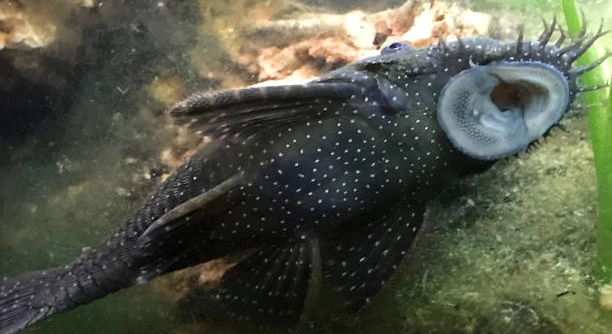
Plecos are unique and captivating fish that often draw attention in aquariums. Their interesting behaviors and distinct physical features make them an enjoyable species to observe, providing both beauty and entertainment for aquarium owners.
Plecos are fun to watch due to their engaging personalities and distinct behaviors. They are bottom dwellers that interact with their surroundings, constantly foraging for food. Their slow, methodical movements and occasional bursts of energy keep observers entertained.
From their bottom-dwelling habits to their impressive variety of species, plecos offer more than just a peaceful presence in an aquarium. Understanding what makes them interesting can help you appreciate these fascinating fish even more.
Plecos Are Slow, but Fascinating
Plecos are known for their calm, slow movements. This makes them unique in the aquarium world, as they move at a pace that gives viewers time to really observe their behavior. They aren’t quick or erratic, which makes them great for aquariums where you want a more relaxed environment. The way they slowly glide along the substrate, searching for food, can be almost meditative to watch. Many aquarium owners appreciate this steady pace, as it adds a sense of tranquility to the tank. It’s also a good reminder of the pace of nature and how different it is from the hustle of daily life.
These fish can spend hours moving along the bottom, but they are always in search of food. Their slow-moving nature doesn’t mean they are lazy—they are always engaged with their environment.
Watching them adjust to different environments is also captivating. As they grow accustomed to new tank setups, they adapt and become more active. This shows how resilient they can be while still maintaining their serene demeanor.
Their Unique Feeding Habits
Plecos are mostly herbivores, but they have interesting feeding habits. They use their specialized mouth, which acts like a suction cup, to attach to surfaces and graze on algae. This behavior is fascinating to watch, as they move slowly across the glass or rocks, cleaning the tank without much interruption. Their methodical feeding style ensures they don’t disturb other tank inhabitants, making them ideal for peaceful aquariums.
The suction mouth helps them feed efficiently, pulling up algae and detritus without exerting too much energy. Their feeding style is almost like a cleaning ritual.
Observing this process is not only educational but also adds to their appeal. It’s a reminder of their natural role in ecosystems and how even in captivity, they remain true to their instincts. Watching a pleco care for its surroundings is a simple yet satisfying experience.
Plecos’ Natural Behavior
Plecos are solitary fish that tend to keep to themselves. They are not aggressive, making them ideal for peaceful tanks. While they don’t form schools or groups, they do have their own space where they feel most comfortable. They spend much of their time hiding during the day, coming out at night to feed. This nocturnal activity makes them unique among other aquarium fish that are more active during daylight hours.
This behavior also means they are low-maintenance and unobtrusive. If you are looking for a fish that won’t demand attention all day, plecos are a great choice. They are content in their own space, quietly exploring the tank.
Despite their reclusive nature, plecos can be quite expressive when they do interact. They may show signs of curiosity or excitement when approaching new objects or when they sense food nearby. These brief moments of interaction add to the fun of watching them, especially as they adjust to their surroundings.
Plecos’ Size and Growth
Plecos are known for their impressive size, especially when they are fully grown. Many species can reach up to 24 inches in length, though their growth rate varies depending on their environment and care. In larger tanks with ample space, plecos tend to grow faster. Their size can make them an impressive centerpiece in an aquarium. This gradual growth also gives owners time to adjust to their presence, making it easier to accommodate them in a tank as they mature.
While they are small and manageable when young, plecos will eventually need more space. A tank that is too small for their size can limit their health and behavior. With proper care, plecos will continue to grow and thrive, bringing a sense of grandeur to any tank they inhabit.
Their growth can be a source of enjoyment as well. Watching them transform from a tiny fish to a large, majestic creature is a rewarding experience. It also highlights the importance of providing the proper environment for them to reach their full potential.
Plecos’ Unique Appearance
Plecos have a distinct appearance that sets them apart from many other aquarium fish. Their flattened bodies and sucker-like mouths make them easily recognizable. Their rough, bony plates give them a rugged look, and their size adds to their presence. This unique appearance makes them stand out in any aquarium.
Their appearance also reflects their role in nature. The tough, armored bodies are designed for survival, offering protection against predators. Their large, wide mouths, built for scraping surfaces, complete the look of a fish adapted to its environment. Watching them glide along the tank provides an interesting visual experience.
Plecos’ Ability to Clean
Plecos are often regarded as natural cleaners in the aquarium. They help manage algae growth by feeding on the algae that forms on tank surfaces. Their diet of algae and detritus keeps the tank cleaner, reducing the need for frequent cleaning. This makes them valuable additions to any aquarium.
Their ability to clean is not just limited to algae. Plecos also eat leftover food and other debris, making them excellent scavengers. This cleanup routine keeps the tank healthier and contributes to the overall balance of the aquarium ecosystem.
Plecos’ Lifespan
Plecos are known for their long lifespan, with many species living for up to 10-15 years or more. This longevity makes them a lasting addition to any aquarium. Their steady growth and ability to adapt to different environments contribute to their ability to thrive for many years.
FAQ
How big do plecos get?
Plecos can grow quite large, with some species reaching up to 24 inches or more. The most common species, the common pleco, tends to grow between 12 and 18 inches in captivity. The size of your pleco depends on its species and the environment in which it lives. In larger tanks with plenty of space, they tend to grow faster and larger.
How long do plecos live?
Plecos have a long lifespan, often living between 10 and 15 years in a well-maintained aquarium. Some species can even live longer if they are kept in optimal conditions. A healthy diet, appropriate tank size, and proper water quality contribute to their longevity.
Do plecos need a heater?
Yes, plecos are tropical fish and thrive in warm water. A water temperature between 74°F and 80°F is ideal for most pleco species. If the room temperature fluctuates or is too cold, a heater is recommended to maintain stable conditions and keep your pleco healthy.
What do plecos eat?
Plecos are primarily herbivores, feeding on algae and plant matter. However, they are also opportunistic scavengers, eating leftover food and detritus in the tank. In addition to algae wafers and fresh vegetables, you can supplement their diet with sinking pellets or live food occasionally.
Can plecos live with other fish?
Yes, plecos are generally peaceful and can live with other fish. However, they are bottom dwellers, so it’s best to avoid placing them with overly aggressive species that might disturb them. They do well with other non-aggressive fish that inhabit the mid to upper levels of the tank.
How often should I feed my pleco?
Plecos should be fed once or twice a day, depending on their size and age. Young plecos, which are still growing, may need more frequent feedings. Adult plecos usually do well with one feeding a day. Make sure to provide a variety of food, including fresh vegetables, algae wafers, and pellets, to meet their nutritional needs.
Do plecos need a large tank?
While plecos can survive in smaller tanks, they need a lot of space to grow and thrive. A 55-gallon tank is the minimum recommended size for most pleco species, but larger tanks are always better. More space allows them to move freely and helps maintain water quality.
Do plecos require special care?
Plecos are relatively low-maintenance, but they do require some special care. They need a proper diet, stable water temperature, and sufficient space to grow. Regular tank maintenance, including water changes and monitoring water quality, is crucial for their health.
Can plecos live in cold water?
No, plecos are tropical fish and require warm water to thrive. Cold water can stress them and lead to health problems. It’s essential to keep the water temperature within the recommended range of 74°F to 80°F to ensure they stay healthy.
Why does my pleco stay in one spot?
Plecos are generally more active during the night. If your pleco stays in one spot during the day, it is likely resting or hiding. As nocturnal fish, they often seek refuge in caves or on tank decorations during daylight hours. If you see this behavior at night, your pleco might be just adjusting to a new environment or feeling secure in its surroundings.
How can I tell if my pleco is healthy?
A healthy pleco has clear, intact fins and a smooth, clean body. Its coloration should be vibrant and consistent. You may notice it foraging or moving around the tank. If your pleco is hiding more than usual, or if its fins appear torn or discolored, it could indicate stress or illness.
Do plecos need a filter?
Yes, plecos benefit from having a filter in their tank. They produce waste, like all fish, and a good filtration system helps maintain water quality by removing excess nutrients and debris. A filter also helps keep the tank clean, which is important for both the pleco and other tank inhabitants.
Can plecos eat too much?
Yes, overfeeding can lead to obesity, poor water quality, and other health issues. It’s essential to feed plecos the right amount of food and not leave excess food in the tank. If food isn’t consumed within a few hours, remove it to prevent water contamination.
How do I care for a baby pleco?
Baby plecos need special care, especially when it comes to feeding. They require finely crushed food or specially formulated fry food. Ensure they have access to algae or other plant matter and provide a stable environment for growth. Keep water parameters stable, as baby plecos are sensitive to changes.
Do plecos need a hiding place?
Plecos appreciate having hiding spots in their tanks. Caves, rocks, or plants can provide them with a safe place to retreat, especially during the day. These hiding places help them feel secure and reduce stress, making them more comfortable in their environment.
Can plecos be kept in a tank with sand?
Yes, plecos can live in tanks with sand substrates. In fact, many plecos prefer sand as it’s gentler on their delicate bodies. However, it’s important to avoid sharp or rough substrates that could cause damage. Sand is easier on their skin as they sift through it while feeding.
How do I breed plecos?
Breeding plecos is not an easy task, but it can be done with the right conditions. To encourage breeding, you’ll need a separate breeding tank with stable water conditions, a heater, and plenty of hiding places. Male plecos often build nests in caves, where they attract females to lay eggs. After fertilization, the male guards the eggs until they hatch.
Why is my pleco turning brown?
Plecos can turn brown for a variety of reasons, such as poor water quality, stress, or a lack of food. If the water parameters aren’t ideal, it can affect the color of your pleco. Brown spots may also indicate skin issues or an infection. It’s important to address water quality and feeding immediately if you notice color changes.
Do plecos need lighting?
Plecos do not require special lighting, but a regular light cycle is important for the overall health of your aquarium. It helps maintain the natural day-night cycle for all inhabitants. Avoid keeping the light on for too long, as plecos are more active at night and may need darkness during the day.
Can plecos live in saltwater?
No, plecos are freshwater fish and cannot survive in saltwater. They need freshwater conditions to thrive, with stable temperature and water quality. Adding salt to the tank will harm them, so it’s best to avoid saltwater environments for plecos.
Final Thoughts
Plecos are fascinating fish that offer both beauty and function in an aquarium. With their unique appearance, they serve as natural cleaners, helping to control algae and maintain a cleaner tank. Their long lifespan makes them a lasting addition to any aquarium, and their peaceful nature makes them compatible with a variety of other fish species. Keeping plecos can be a rewarding experience, as they grow, adapt, and contribute positively to their tank environment.
However, owning a pleco requires careful attention to their needs. These fish grow large and need plenty of space to thrive. It’s important to provide them with a suitable tank size, adequate filtration, and stable water parameters. Regular maintenance, such as water changes and monitoring food intake, is necessary to keep them healthy. While plecos are relatively low-maintenance in terms of care, they do require consistent attention to ensure their environment is suitable for their needs.
In conclusion, plecos make excellent pets for those who are prepared to meet their requirements. Their unique traits and helpful behaviors, such as cleaning algae, make them stand out among other aquarium fish. While they do require proper care and space, they are relatively easy to manage once you understand their needs. For anyone looking for a peaceful and helpful addition to their aquarium, plecos are an ideal choice.

Hello,
If you enjoy the content that we create, please consider saying a "Thank You!" by leaving a tip.
Every little bit helps us continue crafting quality advice that supports the health, happiness, and well-being of pets around the world, for pets of all shapes, sizes, and species.
We really appreciate the kindness and support that you show us!