
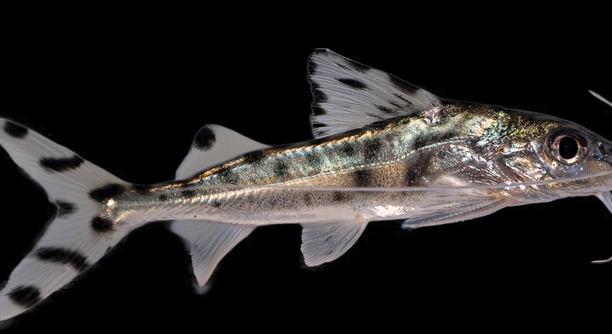
Have you ever watched a Pictus catfish swim and noticed how different it seems from the others in your tank?
Pictus catfish stand out from other species due to their energetic behavior, slender body shape, long barbels, and sensitivity to water quality. These unique features contribute to their distinct appearance, care needs, and overall personality in aquariums.
Understanding these traits will help you care for your Pictus properly and recognize what makes them such fascinating additions to freshwater tanks.
They Swim Fast and Never Stay Still
Pictus catfish are known for their constant movement. They swim quickly around the tank, often darting between decorations and along the glass. This active behavior sets them apart from other bottom dwellers who tend to be slower and more reserved. Their energy is not just for show—it also means they need more space than other similar-sized fish. They prefer long tanks with plenty of swimming room. If kept in small tanks, they can become stressed and even unwell. Their restless nature is also tied to their curiosity. They explore everything, often poking around with their long barbels. This constant activity can sometimes make them difficult tankmates for slower or more territorial fish. When choosing tank mates, it’s important to pick species that can tolerate their speed and movement. Watching a Pictus swim is like watching a tiny silver flash zip through the water. They rarely pause and never stay in one place.
Their energetic swimming habits make them stand out in any aquarium, requiring careful tank planning to keep them healthy.
They use their speed to explore every part of the tank, keeping themselves active and constantly engaged. This trait reflects their natural behavior in rivers where they must stay alert and mobile to survive. In captivity, this behavior continues and needs to be supported with proper tank conditions. A tank that’s too small or overly crowded can lead to frustration. Also, their speed can cause them to bump into sharp decorations, so it’s best to keep smooth surfaces in their environment. Despite their energy, they are peaceful by nature and don’t chase other fish to harm them. Instead, they’re simply too curious and fast to stay still. Their need for movement means they benefit from moderate water flow and regular oxygenation. These factors keep them calm and comfortable. This one trait—constant motion—defines much of what makes them so different from many other catfish commonly kept in tanks.
Their Barbels Are Extra Long
The barbels of a Pictus catfish are much longer than those of most other catfish. They use them to sense food and explore dark areas.
These long barbels act as feelers, helping them navigate murky water and find food on the tank floor. In the wild, Pictus catfish live in rivers with low visibility, so their barbels are an important adaptation. They sweep the bottom of the river, detecting vibrations and movement in the water. In a home tank, these barbels still serve the same purpose. They help the fish explore their surroundings, especially during the night when they are most active. It’s important to keep tank water clean, as dirty water can cause infections on the barbels. Damaged barbels can affect how they feed and move around. Smooth gravel or sand works best for the substrate, reducing the chance of injury. This feature is not just for show—it plays a vital role in their behavior and health.
They’re Sensitive to Water Conditions
Pictus catfish do not handle poor water quality well. Sudden changes in pH, ammonia, or nitrate levels can quickly stress them out or make them sick. Consistent water parameters are key to keeping them healthy.
They need clean, well-filtered water with steady temperature and chemical balance. A strong filtration system is essential, and weekly water changes help keep toxins low. Ammonia and nitrite should always be at zero, while nitrates must be kept low. Their barbels and skin are extra sensitive, so even small irritants in the water can lead to infections or stress. If they start hiding more than usual or breathing heavily, it’s often linked to water problems. Regular testing helps avoid surprises. Avoid overfeeding, as leftover food can rot and raise ammonia. Because they come from clear, fast-moving rivers, they do best in similar conditions at home, with stable water and moderate flow.
Stability matters more than perfection. Even if your tank isn’t flawless, Pictus catfish will thrive as long as the conditions don’t swing too far. Heaters, filters, and test kits should all be working properly. When adding new water, match the temperature and treat it for chlorine. These small details make a big difference for sensitive fish. Watch them closely after any tank change. If they start acting differently, test the water first. Healthy Pictus swim actively, eat well, and explore their surroundings. Stress from poor water can lead to fin rot or infections, so it’s best to catch issues early. Their sensitivity isn’t a weakness—it just means they need careful attention, and in return, they stay active and interesting.
They Don’t Like Being Alone
Pictus catfish are naturally social and prefer to live in small groups. When kept alone, they may become shy or hide more often. Keeping two or more together can reduce stress and help them stay active.
In the wild, Pictus catfish often move in groups for safety and social contact. This behavior continues in captivity. When kept alone, they tend to become skittish, especially during the day. With companions, they gain confidence and are more likely to swim openly. A group of three or more allows them to interact naturally. Just be sure your tank is large enough—ideally 55 gallons or more—since their activity level and size require space. Peaceful, similarly sized tankmates work best if you mix species. Avoid aggressive or very slow fish, as these can clash with the Pictus’s fast, curious style. Keeping them in a group not only improves their behavior but also makes your tank more lively and interesting.
They’re More Active at Night
Pictus catfish are mostly nocturnal. They rest during the day and become more active when the lights go off. This natural pattern affects how they eat and interact in the tank.
Providing hiding spots helps them feel safe during the day. At night, they explore more and search for food.
They Have a Slender, Streamlined Shape
Their body shape is long and narrow, built for speed and agility. This makes them different from bulkier catfish like Corydoras or Plecos. The sleek shape allows them to move quickly through water and squeeze into tight spaces. Their silver color reflects light, which adds to their shimmering look. Combined with their fast movements, their body shape makes them fun to watch. This also means they need space to swim freely. Cramped tanks don’t suit their active nature. They do best in setups with open swimming areas and smooth decorations. Their shape isn’t just about looks—it supports their lifestyle.
They’re Peaceful but Easily Startled
Though active and fast, Pictus catfish are non-aggressive. Loud noises, sudden movements, or flashing lights can startle them easily. They prefer calm surroundings and stable routines.
FAQ
What do Pictus catfish eat?
Pictus catfish are omnivores. They eat a mix of sinking pellets, frozen or live foods like bloodworms, brine shrimp, and insect larvae. They also scavenge leftover food from the tank bottom. A varied diet helps keep them healthy and active. Feeding small amounts twice a day prevents overfeeding and water quality issues.
How big do Pictus catfish get?
Pictus catfish can grow up to 5 inches long in home aquariums. They need enough space to swim comfortably, so a tank of at least 55 gallons is recommended for a small group. Their size and active nature make room an important factor for their well-being.
Can Pictus catfish live with other fish?
Yes, Pictus catfish are peaceful and generally get along with other non-aggressive fish of similar size. Avoid slow-moving or very timid fish, as Pictus can unintentionally stress them with their fast movements. Good tankmates include tetras, barbs, and other active community fish.
How often should I change the water for Pictus catfish?
Weekly water changes of 20-30% are ideal to keep the water clean and maintain stable conditions. Regular testing of ammonia, nitrite, nitrate, and pH levels helps prevent problems. Clean water is crucial since Pictus are sensitive to poor water quality.
Do Pictus catfish need a heater?
Yes, they prefer temperatures between 75°F and 81°F (24°C–27°C). A reliable heater helps maintain this range. Sudden temperature changes can stress them, so consistent warmth is important for their health.
Why do my Pictus catfish hide a lot?
If your Pictus hides often, it might be stressed due to poor water quality, improper tank mates, or insufficient hiding places. Check water parameters and tank conditions. Providing caves, plants, and decorations gives them safe spots to retreat, especially during the day.
Are Pictus catfish good for beginners?
They can be kept by beginners who are willing to maintain stable water conditions and provide enough space. Their sensitivity to water changes means they require careful tank management. However, their peaceful nature and active behavior make them rewarding fish to keep.
How do I know if my Pictus catfish is healthy?
Healthy Pictus swim actively, eat well, and explore their environment. Their barbels should be intact and free from damage. Signs of illness include lethargy, loss of appetite, hiding more than usual, or damaged fins. Regular water checks and observation help catch problems early.
Can Pictus catfish breed in home aquariums?
Breeding Pictus catfish in captivity is rare and difficult. They need very specific water conditions and plenty of space. Most hobbyists buy juveniles or adults rather than attempting breeding. If breeding is successful, the eggs are scattered and require careful protection.
Do Pictus catfish need special lighting?
They prefer dim lighting or shaded areas since they are nocturnal. Bright lights can stress them, so it’s good to provide plants or decorations for shade. Lighting should mimic natural day and night cycles to support their normal behavior.
Pictus catfish are unique compared to many other catfish commonly kept in home aquariums. Their active swimming, slender body, and long barbels give them a distinct look and behavior. Unlike some bottom-dwellers that stay still, Pictus are constantly moving and exploring their surroundings. This energy makes them interesting to watch but also means they need plenty of space and the right environment to thrive. Their sensitivity to water quality requires careful maintenance and regular testing to ensure stable tank conditions. These traits combined create a fish that is both lively and delicate, needing attention to keep them healthy.
Their social nature also sets them apart. Pictus catfish do best in groups rather than alone. Being with others of their kind helps reduce stress and encourages natural behavior. Keeping them in a proper-sized tank with peaceful tankmates supports this social lifestyle. Their peaceful temperament makes them suitable for community tanks, but their fast movement means that slow or shy fish may not do well with them. Providing hiding places and dim lighting can help Pictus feel secure during the day, since they are mostly active at night. Understanding these needs ensures they remain comfortable and display their natural behaviors.
Overall, caring for Pictus catfish means paying attention to several specific factors. They require clean, stable water, enough space to swim, social companions, and an environment that matches their nocturnal habits. With proper care, these catfish bring energy and beauty to a freshwater tank. Their distinct traits make them different from many other catfish, adding variety to any aquarium. While they may need more care than some beginner fish, the reward is a healthy, active fish that offers both personality and charm.

Hello,
If you enjoy the content that we create, please consider saying a "Thank You!" by leaving a tip.
Every little bit helps us continue crafting quality advice that supports the health, happiness, and well-being of pets around the world, for pets of all shapes, sizes, and species.
We really appreciate the kindness and support that you show us!