
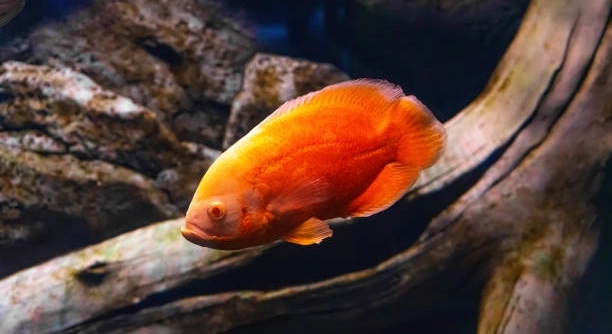
Oscar fish are known for their vibrant personalities and distinct traits. If you have one as a pet, you may already appreciate the unique characteristics that make them stand out among other fish.
The Oscar fish is recognized for its impressive intelligence, territorial behavior, and distinctive color patterns. These traits are key to its individuality, with each Oscar exhibiting its own behavior patterns and preferences, making them fascinating and memorable aquatic companions.
Understanding these traits will give you a deeper appreciation for your Oscar’s behavior. Let’s explore how these unique qualities shape the experience of owning one.
1. Intelligence: A Sharp Mind Beneath the Scales
Oscar fish are incredibly intelligent creatures. They can recognize their owners, learn tricks, and even adapt to their environment. Many owners report that their Oscars seem to remember past interactions, whether it’s feeding time or when their owner is near the tank. This ability to learn makes them stand out from other fish species.
Their curiosity is another sign of their intelligence. Oscar fish will often interact with objects in their tank, such as plants, rocks, or even the tank’s filter system. This behavior shows that they are not only aware of their surroundings but also actively engaging with them. Their intelligence can lead to positive, enriching interactions, making them enjoyable pets.
These fish are far from the passive creatures that some might expect. An Oscar’s sharp mind allows them to adapt quickly to changes, whether it’s adjusting to new food or new tank conditions. Their ability to learn and interact with their environment makes them particularly fascinating to watch.
2. Territorial Behavior: Claiming Their Space
Oscar fish tend to be territorial. This is especially true in smaller tanks, where space is limited. They will often establish their own area within the tank and become protective of it.
This behavior is natural for Oscars, who are used to defending their space in the wild. They may display aggressive tendencies towards other fish that invade their area. This territoriality can sometimes result in fights, especially if there are other dominant fish in the tank. It’s important to consider tank mates carefully to avoid aggression. The Oscar fish thrives when it feels secure in its environment, and understanding this behavior can help create a more peaceful tank.
If you have multiple Oscars, providing plenty of space and hiding places will help reduce conflict. A large tank with appropriate tank mates allows each Oscar to establish its territory without much disruption. Recognizing the signs of territorial behavior can ensure a harmonious environment for your fish.
3. Color Variations: A Palette of Vibrancy
Oscar fish are known for their vibrant colors, which can vary significantly. Their colors can range from bright oranges and reds to darker shades like black or brown, depending on the type of Oscar and its environment. This variability makes each Oscar unique.
Their color changes are often influenced by factors such as diet, tank conditions, and mood. For instance, an Oscar’s colors may become more vivid when it is well-fed and healthy. Alternatively, stress or illness can lead to color fading. Keeping your Oscar in an environment with stable water quality can help maintain their stunning color patterns.
The coloration of an Oscar is not just a visual trait; it’s an indicator of their health. A healthy, vibrant Oscar will usually display bright, rich colors. On the other hand, a dull or faded Oscar may be signaling that something is off with their environment or diet. It’s important to monitor their appearance closely to ensure they stay healthy.
4. Size and Growth: A Rapidly Growing Fish
Oscar fish are known for their rapid growth. When given the proper conditions, they can grow from a tiny juvenile to a fully grown adult in just a couple of years.
Their growth rate depends on factors such as tank size, diet, and water quality. In larger tanks, they tend to grow faster since they have more space to swim and explore. Overfeeding can also contribute to faster growth but should be avoided to prevent health issues.
As they grow, Oscar fish can become quite large. Some can reach up to 18 inches in length, so it’s important to plan for their size when choosing a tank. A tank that is at least 75 gallons is ideal for an adult Oscar. The larger the tank, the more comfortable your Oscar will be as it matures. Keep in mind that their size requires maintenance, and a larger tank means more frequent water changes and filter maintenance.
5. Feeding Habits: An Appetite for Variety
Oscar fish are not picky eaters, but they do enjoy a varied diet. They can eat a range of foods, including pellets, live food, and frozen options. Their preference for high-protein food helps maintain their energy levels.
Although they are not selective, it’s important to offer a balanced diet. Too much protein can lead to obesity or other health problems. Offering a mix of live, frozen, and commercial foods ensures they get all the nutrients they need. Overfeeding should be avoided, as it can quickly lead to water quality issues.
Oscar fish may also show a strong feeding response, particularly when they see their owner. They often get excited when food is introduced, making feeding time an interactive experience. Their ability to recognize feeding times is another example of their intelligence.
6. Social Interaction: Not a Solo Fish
Oscar fish are not entirely solitary by nature, despite their territorial behavior. They can interact with other fish, but their social dynamics are complex.
They generally do well with other large, robust fish that can handle their occasional aggression. However, they should not be kept with smaller fish that may become prey. Oscar fish tend to be more social when they have plenty of space to themselves. Providing different hiding spots helps minimize conflict and allows Oscars to feel more secure.
While they may seem aloof at times, Oscar fish often seek attention from their owners, especially if they’ve been raised in a tank with consistent human interaction. Establishing a routine helps build a bond with them over time.
FAQ
What is the lifespan of an Oscar fish?
Oscar fish can live up to 10-15 years with proper care. Their lifespan is influenced by factors such as water quality, diet, and tank size. Keeping them in an appropriate environment with stable water conditions will help them live longer. Regular water changes and maintaining a balanced diet are crucial for their health.
How big do Oscar fish get?
Oscar fish can grow quite large, typically reaching lengths of 12 to 18 inches. The size of your Oscar will depend on the size of the tank and the quality of care it receives. Oscars in smaller tanks tend to grow more slowly. To accommodate their growth, it’s important to have a tank of at least 75 gallons for a single adult Oscar.
Can Oscars live with other fish?
Oscar fish can live with other fish, but it’s important to choose tank mates carefully. They are known to be territorial and sometimes aggressive, especially during feeding times. Oscars do best with larger, more robust fish that can handle their occasional aggressive behavior. Avoid smaller fish that might be seen as food.
What should I feed my Oscar fish?
Oscar fish are carnivores, and their diet should consist primarily of high-protein foods. They can eat live or frozen foods like shrimp, worms, and small fish. Pellets and flakes designed for carnivorous fish can also be part of their diet. Offering variety helps ensure they get all the nutrients they need. Overfeeding should be avoided, as it can lead to health issues and water quality problems.
How often should I feed my Oscar?
Oscar fish should be fed once or twice a day. Overfeeding can cause health problems, so it’s important to provide an appropriate amount of food based on their size and appetite. Remove any uneaten food from the tank to maintain water quality. During feeding time, Oscars are usually very eager, so it’s easy to tell if they are hungry.
What is the best tank size for an Oscar fish?
The best tank size for an Oscar fish is at least 75 gallons for a single fish. This allows enough space for swimming and territorial behavior. If you plan to keep multiple Oscars or other large fish, you’ll need an even larger tank. Proper filtration and regular water changes are essential in a tank of this size to maintain water quality.
Do Oscars need a heater?
Oscar fish are tropical fish and require a heater to maintain the water temperature between 75-80°F (24-27°C). Keeping the water within this range ensures that your Oscar stays healthy and active. Sudden temperature changes can stress your fish and lead to illness, so it’s important to maintain a stable environment.
Why is my Oscar fish losing its color?
Oscar fish can lose their vibrant color for several reasons. Stress, illness, poor water quality, or an inadequate diet can cause color fading. If your Oscar’s colors start to fade, check the water parameters, including temperature, pH, and ammonia levels. Providing a well-balanced diet with plenty of protein will help restore its color.
Can Oscar fish jump out of their tank?
Yes, Oscar fish are known to be jumpers. They can leap out of the tank if there is insufficient coverage. To prevent this, make sure your tank has a secure lid. Even if the lid isn’t completely sealed, it can still help reduce the chances of your Oscar jumping out.
How do I know if my Oscar is sick?
Signs of illness in Oscar fish include changes in behavior, such as reduced activity or loss of appetite. You may also notice physical symptoms like faded colors, abnormal swimming patterns, or lesions on the skin. If you observe any of these signs, it’s essential to check water quality, as poor conditions can contribute to health problems. If symptoms persist, consult a veterinarian specializing in fish.
How often should I change the water in my Oscar’s tank?
Water changes are essential for maintaining a healthy tank. For an Oscar fish, it’s recommended to change 20-30% of the water every week, depending on the size of the tank and the number of fish. If you have a smaller tank or multiple fish, you may need to increase the frequency of water changes. Always test water parameters to ensure they remain within the ideal range.
Do Oscars get along with each other?
Oscar fish can get along with each other, but they may become territorial, especially if the tank is too small. When keeping multiple Oscars, it’s important to provide enough space and hiding spots. A larger tank, around 100 gallons or more, is ideal for multiple Oscars. Sometimes, they may still show aggression, particularly during mating or feeding times.
How can I reduce aggression in my Oscar fish?
To reduce aggression, provide a large tank with plenty of hiding spots and territories for your Oscar to establish. Avoid keeping Oscars with smaller or weaker fish. Maintaining stable water conditions, feeding a varied diet, and offering enrichment activities can help reduce aggression. If necessary, consider keeping a single Oscar to minimize territorial disputes.
What type of substrate is best for Oscars?
The best substrate for an Oscar tank is fine gravel or sand. Avoid using sharp-edged materials, as these can injure the Oscar’s sensitive skin. A fine substrate also makes it easier to maintain water quality, as waste will settle at the bottom, allowing for proper cleaning.
Final Thoughts
Oscar fish are fascinating creatures that can bring a lot of personality to your aquarium. Their intelligence, social behavior, and striking appearance make them a popular choice for many aquarium owners. However, they are not the easiest fish to care for, as they require specific conditions to thrive. Providing them with a proper tank size, appropriate water parameters, and a balanced diet are crucial for their well-being. Regular monitoring of water quality and maintaining a stable environment can help avoid common issues like stress and illness.
While Oscars can be social, they have territorial instincts that require careful management. They do best in larger tanks, where they can establish their space. If you plan to keep multiple Oscars, a larger tank with plenty of hiding spots is necessary to prevent aggression. It’s also important to choose compatible tank mates. Oscars tend to do well with other large fish but can pose a threat to smaller, slower fish. A well-thought-out tank setup can go a long way in reducing conflicts and ensuring a peaceful environment.
Ultimately, the key to a successful Oscar fish experience is understanding their needs and providing the right environment. Regular maintenance, a varied diet, and a spacious tank will help keep your Oscar healthy and happy for many years. With proper care, these vibrant fish can be a rewarding addition to your aquarium, offering not just beauty, but a unique connection with their owners. The effort put into understanding and caring for them will make the experience all the more fulfilling.

Hello,
If you enjoy the content that we create, please consider saying a "Thank You!" by leaving a tip.
Every little bit helps us continue crafting quality advice that supports the health, happiness, and well-being of pets around the world, for pets of all shapes, sizes, and species.
We really appreciate the kindness and support that you show us!