
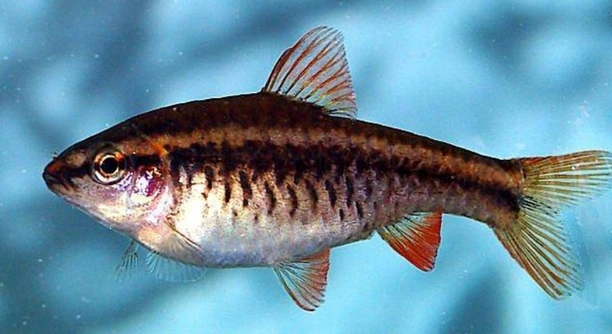
Cherry barbs are a popular fish choice for many aquarium enthusiasts. Known for their vibrant colors and active personalities, these small fish add a touch of beauty to any tank. But what makes them stand out from other barbs?
Cherry barbs are unique among other barbs due to their peaceful nature, small size, vibrant red coloration, and adaptability to different water conditions. They are easy to care for, making them ideal for beginners and experienced hobbyists alike.
Their fascinating traits make them a great addition to any community tank. Understanding their behavior and needs can help you create the perfect environment for them to thrive.
The Peaceful Nature of Cherry Barbs
One of the most appealing characteristics of cherry barbs is their calm demeanor. Unlike many other barbs, which can be quite aggressive, cherry barbs are peaceful and rarely show any signs of territorial behavior. This makes them an ideal choice for community tanks with other peaceful species. They are not known to nip at other fish, which is a common issue with some other types of barbs. Their gentle nature allows them to live harmoniously with species of similar size and temperament. This peaceable attitude sets them apart, making them a favorite for beginner aquarists.
Cherry barbs thrive in groups and are happiest when kept in schools of at least six. In larger tanks, they form tight-knit communities and swim in coordinated patterns, further adding to their peaceful charm. This social behavior helps create a relaxing and dynamic tank atmosphere.
Their calm temperament also makes them easier to manage. You won’t have to worry about frequent conflicts or stress from tankmates. Providing them with a peaceful environment allows cherry barbs to feel secure and exhibit their most vibrant colors.
Adaptability to Different Water Conditions
Cherry barbs are highly adaptable and can thrive in a variety of water conditions. They are known for tolerating a wide range of temperatures and water pH levels. Whether the water is soft or slightly hard, cherry barbs can adjust and continue to do well.
They can live in temperatures between 70-79°F, making them suitable for a wide range of aquarium setups. In addition, their tolerance to varying water conditions reduces the chances of complications from fluctuating parameters. As long as the water quality is maintained, cherry barbs can remain healthy and active.
This adaptability makes cherry barbs a low-maintenance option for aquarium owners. Regular water changes and proper filtration are usually enough to keep the fish happy. Their ability to adjust to different environments makes them a good fit for aquariums with other species that may have slightly different needs. However, even in more specific setups, cherry barbs manage to adapt and thrive.
Vibrant Coloration of Cherry Barbs
The striking red coloration of cherry barbs is one of their standout features. The males display a brilliant red hue, particularly during the breeding season, which makes them an eye-catching addition to any tank. This vivid color is a key reason why cherry barbs are so sought after.
The colors of male cherry barbs can range from bright red to a darker, more intense crimson. Female cherry barbs, while not as brightly colored, still show subtle hints of orange and yellow, adding contrast in the tank. Their colors tend to intensify under the right conditions, especially when they feel secure and stress-free.
Cherry barbs are also known to adapt their color to the environment, with their hue becoming more vivid in tanks with optimal water parameters. Their color displays serve as a natural attraction, whether in breeding scenarios or simply as a visual delight.
Small Size Makes Cherry Barbs Ideal for Smaller Tanks
Cherry barbs are small in size, typically growing to just 2 inches in length. This makes them ideal for tanks with limited space. Their small size means they can coexist peacefully with other small fish and are not overwhelming in a smaller aquarium setting.
Because they don’t require large tanks to thrive, cherry barbs are perfect for those with limited space, such as those keeping fish in apartments or smaller homes. A 20-gallon tank can accommodate a small school of cherry barbs, giving them enough space to swim around and interact with their environment.
Despite their size, cherry barbs are very active and enjoy swimming through plants and decorations. Their small yet energetic nature allows them to interact with their environment while still being easy to care for in confined spaces. The peaceful demeanor and small size make them a good fit for beginner aquarists.
Low Maintenance Care
Cherry barbs are incredibly low-maintenance. They don’t require constant attention and are generally hardy, which makes them ideal for beginner fishkeepers. Proper filtration, occasional water changes, and a balanced diet are usually enough to keep them healthy.
They can handle some minor fluctuations in water conditions, but it’s important to maintain a stable environment for optimal health. With minimal effort, they thrive in most aquarium setups. This makes them a reliable choice for people with busy schedules or those just starting out in fishkeeping.
Easy to Feed
Feeding cherry barbs is simple. They are omnivores and accept a wide variety of foods. Their diet can include high-quality flakes, pellets, live foods, and frozen options. Offering a mix of foods ensures they get a balanced diet.
Cherry barbs are not picky eaters and adapt well to most feeding schedules. They will actively search for food, making feeding time more interactive. This eagerness to eat makes them an enjoyable fish to care for and helps keep them healthy and happy.
Good Tankmates for Other Species
Cherry barbs get along well with other peaceful species. They are not aggressive, so they can be kept with a variety of other fish. However, it’s best to avoid keeping them with overly large or aggressive tankmates.
They are especially compatible with other small, calm fish like tetras or rasboras. Cherry barbs also do well in planted aquariums, where they can hide and explore among plants. Their peaceful nature makes them a versatile option for most community tanks, providing a harmonious atmosphere.
FAQ
How many cherry barbs should I keep together?
Cherry barbs are social fish and should be kept in schools of at least six. This helps them feel secure and reduces stress. In larger tanks, you can increase the number, as they enjoy swimming in groups. A small school of cherry barbs adds movement and activity to the aquarium. Keeping them in groups also encourages natural behavior, such as swimming in coordinated patterns. If kept alone, cherry barbs may become stressed or shy, so it’s important to provide them with company.
What is the ideal tank size for cherry barbs?
For a school of cherry barbs, a tank size of at least 20 gallons is recommended. This provides enough space for them to swim freely and interact with one another. A larger tank allows for more fish and offers the opportunity to create a more natural environment with plants and decorations. In a 20-gallon tank, you can comfortably keep six or more cherry barbs. If you plan to add other fish, you might want to go for a tank size of 30 gallons or more.
Can cherry barbs live with other types of barbs?
Yes, cherry barbs can live with other types of barbs as long as the other barbs are peaceful. However, some barbs can be more aggressive, especially when competing for food or space. It’s best to avoid mixing cherry barbs with overly territorial species, as this could cause stress. In general, cherry barbs are good companions for other peaceful fish, such as tetras, rasboras, and guppies. A peaceful community tank is key to keeping everyone happy and healthy.
What do cherry barbs eat?
Cherry barbs are omnivores, so they eat a variety of foods. They will gladly accept high-quality flakes and pellets, as well as live or frozen foods like brine shrimp, daphnia, and bloodworms. It’s important to offer a balanced diet to meet their nutritional needs. While they do enjoy occasional treats like live food, their main diet should consist of well-rounded flake or pellet food. Be sure to feed them in moderation to avoid overfeeding, which can lead to water quality issues.
How do I know if my cherry barb is stressed?
Cherry barbs may show signs of stress through behavior or physical appearance. If they are hiding more than usual, not eating, or swimming erratically, these could be signs of stress. Their colors may also fade when they are stressed, and they may display increased hiding behavior. Stress can result from various factors, such as poor water quality, aggressive tankmates, or unsuitable tank conditions. Regular water changes and ensuring a peaceful tank environment will help keep your cherry barbs happy and healthy.
Do cherry barbs breed easily in home aquariums?
Cherry barbs can breed in home aquariums, but it’s not always guaranteed. Males will display more vivid red coloring when ready to breed, and they will chase the females. After mating, the female lays eggs, which are often hidden among plants or decorations. Once the eggs hatch, the fry are tiny and may need special care. Many hobbyists place the breeding pair in a separate tank to avoid predation, as the adults may eat the eggs or fry. With the right conditions, breeding cherry barbs can be an exciting experience, though it requires patience and attention.
What water conditions are best for cherry barbs?
Cherry barbs thrive in slightly acidic to neutral water, with a pH range of 6.5 to 7.5. They can tolerate temperatures between 70°F and 79°F, so it’s essential to maintain a consistent temperature. For water hardness, they do best in soft to moderately hard water. Regular water changes and maintaining good filtration are important to keep the water clean. It’s also helpful to monitor water parameters regularly to ensure the fish stay healthy. Although cherry barbs are adaptable, providing them with stable water conditions will allow them to thrive.
Are cherry barbs hardy fish?
Yes, cherry barbs are considered hardy fish. They are generally tolerant of a wide range of water conditions and can adapt to minor changes in their environment. However, like all fish, they require stable water quality to thrive. Cherry barbs are not as delicate as some other species, making them a good choice for beginner aquarium keepers. As long as they are provided with proper care, a balanced diet, and a peaceful environment, cherry barbs can live for several years in an aquarium.
Do cherry barbs need a heater?
If you keep your cherry barbs in a tank with temperatures within their preferred range of 70°F to 79°F, a heater may be necessary. This is particularly true if you live in a location where room temperature fluctuates or tends to be cooler. A heater helps maintain a consistent temperature, ensuring that the fish stay comfortable and stress-free. It’s important to use a reliable aquarium heater and a thermometer to monitor the water temperature. Cherry barbs do best in stable conditions, so a heater can make maintaining their environment much easier.
How long do cherry barbs live?
Cherry barbs typically live between 3 to 5 years in captivity, though some may live longer with optimal care. Their lifespan can be affected by water quality, diet, and tank conditions. Providing a stable environment and addressing any health issues promptly will help extend their life. Regular maintenance and water changes are essential for keeping your cherry barbs healthy and happy. Proper feeding and avoiding stressors in the tank also play a significant role in their longevity.
What are the common diseases cherry barbs might get?
Like all fish, cherry barbs are susceptible to a few common diseases. These can include ich (white spot disease), velvet disease, and fin rot. Ich is characterized by small white spots on the skin and fins, while velvet causes a gold or rusty coating on the fish. Keeping the tank clean, maintaining good water quality, and avoiding stress can help prevent these diseases. If you notice any signs of illness, it’s important to treat the affected fish promptly to prevent the spread of disease to other tankmates.
Final Thoughts
Cherry barbs are a great option for both beginners and experienced aquarium keepers. Their peaceful nature and vibrant colors make them a standout in community tanks. They don’t require a lot of special care, which makes them easy to look after. Whether you’re setting up a small tank or a larger community aquarium, cherry barbs can fit in well with other peaceful species. Their adaptability to different water conditions and low-maintenance needs make them a reliable choice for anyone looking to add some color and activity to their tank.
Their small size and active behavior mean that they will make a lovely addition without overcrowding a tank. In fact, they thrive in schools of at least six, where they feel safe and secure. Their friendly disposition toward other tankmates, along with their easy care requirements, makes cherry barbs ideal for creating a peaceful and colorful aquarium environment. If you have a tank that includes other small, calm fish, cherry barbs will likely integrate smoothly. With the right environment, these fish will be active and healthy, adding beauty and interest to your setup.
While they may not require much attention, it’s important to keep an eye on their water conditions and provide them with a balanced diet. Regular water changes, appropriate filtration, and careful monitoring of water parameters will help keep your cherry barbs in top condition. Keeping the tank peaceful and stress-free is also key to their well-being. Whether you’re new to fishkeeping or a seasoned hobbyist, cherry barbs can be an enjoyable and rewarding species to care for.

Hello,
If you enjoy the content that we create, please consider saying a "Thank You!" by leaving a tip.
Every little bit helps us continue crafting quality advice that supports the health, happiness, and well-being of pets around the world, for pets of all shapes, sizes, and species.
We really appreciate the kindness and support that you show us!