
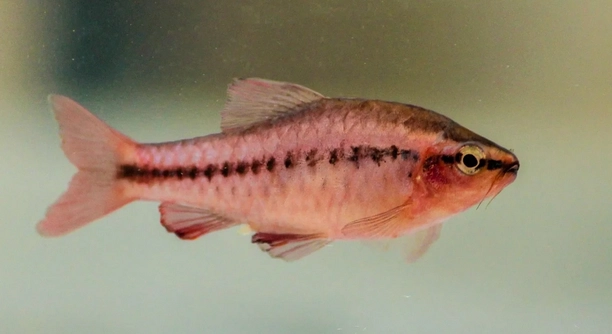
Are your community fish tanks missing a bit of charm and harmony despite your best efforts to keep everything balanced and peaceful? Cherry barbs might be the gentle touch your aquarium needs to thrive.
Cherry barbs are considered good community fish due to their peaceful temperament, adaptability to various water conditions, modest size, and non-aggressive behavior. These qualities allow them to coexist well with a wide range of similarly peaceful tank mates.
Their behavior, appearance, and care requirements reveal why they are often a favorite among hobbyists who value compatibility and low-maintenance companions in a well-balanced tank.
Peaceful Temperament Makes Them Easy to Keep
Cherry barbs are naturally peaceful, which makes them easy to add to a tank with other calm species. They rarely bother tank mates and prefer to stay in their own small group. When they’re comfortable, they tend to swim together calmly and avoid aggressive behavior. This calm attitude is part of what makes them good community fish. You don’t have to worry about them causing fights or disrupting the balance of the tank. Their peaceful nature also makes them a good choice for beginners who want a calm, low-stress environment for their aquarium.
They are not territorial and usually won’t fight over space, even in smaller tanks.
Because they stay to themselves and interact positively with other species, cherry barbs offer a balance that many tank owners appreciate. This quality is one of the main reasons people choose them when planning a peaceful and visually balanced community setup.
They Are Active but Not Aggressive
Cherry barbs are constantly moving around the tank, which adds life without creating tension among other fish.
Despite their activity level, they are not aggressive or pushy with tank mates. They like to explore their surroundings and swim together in schools, especially if there are at least five or six of them. This behavior not only keeps them feeling secure but also provides entertainment for anyone watching. Their movement is smooth and non-disruptive, making them suitable for tanks where other fish prefer to avoid confrontation. They don’t chase others around the tank or get in the way of slower-moving species. Instead, they move about with ease and remain focused on their own school. This active but respectful attitude keeps stress levels low across the tank. Watching cherry barbs interact with each other and navigate their space can be relaxing and enjoyable, especially when the tank is well-planted and offers enough room for free swimming.
They Adapt Well to Different Water Conditions
Cherry barbs can live comfortably in a range of water parameters, which makes them easy to care for. They tolerate slight fluctuations in pH and temperature without showing stress, making them reliable for stable community tanks.
Their ideal water temperature ranges between 73°F and 81°F, with a pH of 6.0 to 7.5. While it’s best to maintain steady water quality, cherry barbs won’t react poorly to minor changes. This makes water testing and routine maintenance a bit more forgiving. They also adapt well to different levels of tank lighting and plant density. Whether your aquarium is heavily planted or more open, cherry barbs adjust quickly. Their flexibility in adapting helps reduce the risk of illness or behavioral issues that come from unstable environments. For new aquarium keepers or those managing community tanks with multiple species, this adaptability makes them much easier to manage long term.
These barbs also do well in both soft and moderately hard water. They don’t require specialized additives or strict mineral levels, which reduces the complexity of maintenance. As long as water changes are done regularly and filtration is consistent, they remain healthy and active. Their resilience means fewer complications, especially when living with other species that might have stricter needs.
Their Size Is Ideal for Most Tanks
Cherry barbs grow to about two inches in length, which makes them a great fit for tanks of various sizes. They don’t need a massive setup to thrive, though they do better in groups.
Because of their small size, they fit well in 20-gallon tanks and up, leaving space for other species to coexist. Their small footprint reduces overcrowding and leaves more room for decor, plants, and movement. This makes them a safe addition even in tanks where space might be limited. Their size also makes them less intimidating to shy species and less likely to trigger defensive behaviors in others. Combined with their peaceful nature, their small size contributes to a low-stress environment. They are also easy to observe and manage in tanks with clear visibility and minimal barriers, making feeding and care simpler.
Their small build doesn’t mean they’re fragile. Cherry barbs are hardy and active swimmers that use all areas of the tank, from the bottom to the mid-level zones. Their movement stays gentle and controlled, helping maintain a calm rhythm throughout the tank. Their presence doesn’t create turbulence or disturb substrate and plants, even in well-decorated tanks. With proper care, their small size and peaceful swimming style help maintain balance and harmony, especially in mixed-species setups.
They Prefer to Live in Groups
Cherry barbs feel safer and behave more naturally when kept in small groups. A school of at least five helps reduce stress and encourages more confident swimming. This grouping also brings out their best colors and activity levels.
Being in a group also prevents them from becoming shy or hiding too often. It keeps their energy balanced and makes them more visible and active in the tank, which many owners enjoy watching.
They Add Color Without Overpowering the Tank
Cherry barbs bring a deep red hue that stands out but doesn’t dominate the space. Their color brightens up the tank without clashing with other species. When healthy and happy, males become even more vibrant, especially during breeding displays. This natural beauty adds variety without overwhelming more muted tank mates.
They Don’t Disrupt the Aquarium’s Balance
Cherry barbs don’t uproot plants, stir up substrate, or overeat. Their habits support a clean, organized tank environment. They contribute to a peaceful setting by minding their space and interacting gently with other species.
FAQ
How many cherry barbs should be kept together?
Cherry barbs should be kept in groups of at least five. This helps reduce stress and brings out their natural schooling behavior. In smaller groups, they may become shy or hide more often. A larger group also encourages more active swimming and improves their overall health. Keeping them in even numbers or groups of six or more often leads to better social interaction and more vibrant coloration. When alone, they can become anxious, less active, and may not show their full colors.
Can cherry barbs live with other fish?
Yes, cherry barbs are peaceful and do well in community tanks. They can live with species like neon tetras, guppies, corydoras, rasboras, and other calm fish. Avoid pairing them with aggressive or fin-nipping species like tiger barbs or large cichlids. They usually get along best with fish that enjoy the same calm conditions and water parameters. Their non-aggressive nature helps maintain balance, and they won’t chase or stress out their tank mates. Just make sure the tank is not overcrowded and that each species has enough space.
What size tank do cherry barbs need?
A 20-gallon tank is ideal for a small group of cherry barbs. While they are small fish, they are active swimmers and need space to move around freely. A larger tank is better if you plan to add more fish or keep a more diverse community. Proper filtration, steady water conditions, and swimming room help them stay healthy. Although they don’t need a huge setup, cramping them in a small space can increase stress and weaken their immune system.
Do cherry barbs eat plants in the tank?
No, cherry barbs do not eat live plants. They may pick at algae or food that lands on leaves, but they won’t destroy or uproot plants. In fact, they benefit from planted tanks, as plants offer shelter and comfort. Heavily planted aquariums mimic their natural habitat and make them feel secure. This leads to more relaxed behavior and better overall health. Plants like java fern, anubias, and water wisteria work well with cherry barbs.
Are cherry barbs good for beginners?
Yes, cherry barbs are one of the best fish for beginners. They’re hardy, adaptable, and not demanding. As long as you maintain a clean tank, provide them with a group, and keep the water within their preferred range, they thrive. They don’t require any special equipment or complex feeding schedules. Their ease of care, peaceful nature, and tolerance for slight changes make them a solid choice for those new to fishkeeping. Plus, their color and activity level keep the tank visually interesting.
What do cherry barbs eat?
Cherry barbs are omnivores and enjoy a mix of foods. A quality flake or micro pellet should be the base of their diet. You can also give them frozen or live treats like bloodworms, brine shrimp, or daphnia. Vegetables like blanched spinach or zucchini can also be added occasionally. Feeding a variety keeps them healthy and improves their color. Feed small amounts twice a day, only what they can eat in a few minutes to avoid overfeeding and water quality issues.
How long do cherry barbs live?
With proper care, cherry barbs live for around 4 to 6 years. Clean water, a balanced diet, and a stress-free environment help them reach the upper end of this range. Poor water conditions, bad tank mates, or lack of a group can shorten their lifespan. Regular tank maintenance and a healthy community setup contribute to their long-term health. Observing them regularly also helps catch early signs of illness or stress, improving their chances for a full life.
Do cherry barbs breed easily in home tanks?
Yes, cherry barbs can breed in home tanks under the right conditions. Males display brighter colors and begin chasing females when ready to spawn. A separate breeding tank with fine-leaved plants or a spawning mop works best. After spawning, it’s important to remove the adults, as they may eat the eggs. The eggs hatch in about two days, and the fry can be fed infusoria or powdered fry food. Breeding them is straightforward, but raising the fry takes more care and attention.
Do cherry barbs need a filter and heater?
Yes, both a filter and heater are recommended. A filter keeps the water clean and oxygenated, which is important for their health. A heater maintains a stable temperature, ideally between 73°F and 81°F. Sudden temperature changes can stress them and lead to illness. Even though they’re hardy, consistent conditions help them stay active and healthy. A gentle filter flow is best, as strong currents can disturb their swimming. A basic heater and sponge filter setup works well for most tanks.
Final Thoughts
Cherry barbs are a calm and colorful addition to many freshwater tanks. They adapt well to different setups and show peaceful behavior when kept in groups. Their active swimming, low aggression, and compatibility with other peaceful fish make them suitable for both beginners and experienced fishkeepers. With proper care, they thrive and display bright colors, especially the males. They are not demanding and can live in a well-maintained tank with standard equipment. Clean water, stable temperature, and the right group size all help keep them comfortable.
These small fish do best in community tanks that are not too crowded and offer enough space for swimming. Having plants in the tank gives them hiding spots and makes them feel more secure. Their calm nature helps maintain a peaceful balance in a shared space. They don’t pick fights and usually mind their own business, which is why they are often chosen for mixed tanks. Just avoid putting them with larger or aggressive fish that may chase or stress them out. Picking the right tank mates is important to keep their behavior calm and natural.
Cherry barbs can also be a good choice for someone who wants to try breeding fish at home. They don’t need special food or care to spawn, but it’s best to move them to a separate breeding tank for better results. Their eggs hatch quickly, and the fry can grow well in stable water conditions. From setup to feeding, their care is simple and rewarding. Watching a small group of cherry barbs swim together can be relaxing and adds a splash of color to any tank. With a little attention to their needs, they can live several years and remain active and healthy. They may be small, but their peaceful presence can make a big difference in any freshwater setup.

Hello,
If you enjoy the content that we create, please consider saying a "Thank You!" by leaving a tip.
Every little bit helps us continue crafting quality advice that supports the health, happiness, and well-being of pets around the world, for pets of all shapes, sizes, and species.
We really appreciate the kindness and support that you show us!