
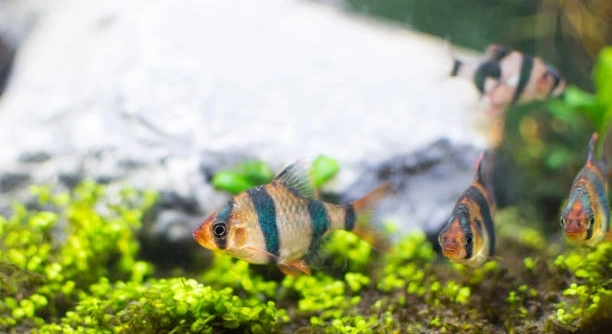
Barbs are a popular choice for many fishkeepers because they are colorful and lively. They adapt well to different tank conditions and can thrive even in beginner setups. These traits make them a practical option for aquarium enthusiasts.
Barbs are easy to care for due to their hardiness, tolerance to a wide range of water conditions, simple dietary needs, active nature, social behavior, resistance to common diseases, and adaptability to various tank environments.
These qualities create a stress-free experience for owners and help maintain a healthy aquarium. Learning about these traits can make caring for barbs more enjoyable and successful.
Hardiness and Resilience
Barbs are known for their hardiness, making them suitable for beginners and experienced fishkeepers alike. They tolerate changes in water quality better than many other tropical fish. This resilience means barbs can withstand minor fluctuations in temperature, pH, and water hardness without much stress. Because of their tough nature, they are less likely to fall ill from common aquarium problems. Barbs also recover quickly from stress or illness compared to more delicate species. This makes maintaining a healthy tank simpler and less time-consuming. Their strong immune system helps prevent diseases that often affect fish kept in less-than-ideal conditions. As a result, they require less special care or medication, which appeals to those who want a lively, colorful fish without constant maintenance. Their ability to adapt and thrive makes them an excellent addition to many community tanks.
Barbs’ hardiness reduces the need for frequent water testing and costly treatments, easing tank upkeep.
Being tough and resilient, barbs can live comfortably even when conditions aren’t perfect. This flexibility means they don’t demand constant monitoring, making them low-maintenance. You can focus more on enjoying your aquarium’s lively atmosphere than worrying about delicate fish care routines. Their robustness also allows them to coexist peacefully with other fish, as they handle stress better. This trait is valuable for mixed-species tanks, where water parameters might not always be ideal for every inhabitant. In short, barbs’ resilience makes them practical and forgiving pets, especially for those new to keeping fish or anyone looking for reliable aquatic companions.
Simple Dietary Needs
Barbs are not picky eaters, which makes feeding them straightforward. They thrive on a variety of foods, including flakes, pellets, frozen, and live foods. This flexibility means you don’t need special or expensive diets to keep them healthy. Their balanced diet can include plant matter and protein sources, reflecting their omnivorous nature. Because of this, barbs get all the nutrients they need from typical aquarium food options. Their appetite helps maintain their vibrant colors and energy levels. Overfeeding should still be avoided, but barbs generally eat well without fuss. This simple diet also reduces the chances of digestive problems, which some fish experience when fed poorly. Overall, feeding barbs is an easy task, making their care more manageable for those with busy schedules or less experience.
Providing a varied diet helps barbs stay healthy and colorful over time.
Barbs’ dietary habits are a key reason they are easy to care for. Unlike some species that require live food only or strict feeding routines, barbs adapt well to common fish foods. This flexibility means you can feed them what is convenient, whether flakes or frozen brine shrimp. Their ability to consume plant matter also supports their health and keeps the tank cleaner by reducing leftover food waste. It’s important to feed them small portions regularly to avoid water quality issues caused by uneaten food. By offering a balanced diet, barbs will remain active and vibrant, adding life to your aquarium with little effort on your part. This ease of feeding contributes to their popularity among fishkeepers of all levels.
Active Nature
Barbs are naturally active swimmers, keeping your aquarium lively and interesting. Their energy helps prevent boredom and encourages interaction with their environment.
This activity level means barbs need enough space to swim freely. A crowded tank can stress them, so providing adequate room is important. Their constant movement helps maintain good water circulation, which benefits the whole tank. Watching their playful behavior can be enjoyable and adds a dynamic element to your setup.
Active barbs often explore plants and decorations, keeping the aquarium environment stimulating. Their movement also helps reduce algae buildup on surfaces by gently disturbing it. Maintaining this activity requires stable water conditions and regular feeding. Overall, their active nature makes them engaging pets that bring energy to any tank.
Social Behavior
Barbs thrive in groups and feel most comfortable when kept in schools. Keeping at least six together reduces stress and aggressive tendencies.
When kept socially, barbs display natural behaviors such as schooling and playing. They communicate through subtle movements and color changes, which adds interest to their care. Isolating barbs can cause them to become shy or stressed, so social groups are crucial for their well-being.
Group living helps barbs feel secure and less likely to show aggression. This social trait also promotes healthier, more active fish. Barbs are generally peaceful but may nip fins if kept alone or in small numbers. Proper social care improves their health and tank harmony, making your aquarium a more balanced environment.
Resistance to Common Diseases
Barbs generally have strong immune systems, which help them resist many common fish diseases. This trait reduces the need for frequent medication or special treatments in most cases.
Good tank maintenance and proper nutrition support their natural resistance, keeping them healthy and active. Regular water changes and monitoring are still necessary to prevent illness.
Adaptability to Various Tank Environments
Barbs adjust well to different types of freshwater tanks, whether planted, community, or species-specific setups. Their flexible nature makes them suitable for a wide range of aquarium conditions and designs.
They do well in varying water temperatures and pH levels, as long as extremes are avoided. This adaptability allows barbs to live comfortably in many home aquarium environments.
Low Maintenance Requirements
Barbs do not need constant attention or special care routines, making them easy to maintain. Their simple needs fit well with busy lifestyles or first-time fishkeepers.
FAQ
What size tank do barbs need?
Barbs are active swimmers, so they need enough space to move comfortably. A tank of at least 20 gallons is recommended for a small school of barbs. This size helps reduce stress and aggression while providing room for swimming and exploration. Larger tanks are better if you plan to keep more fish or include plants and decorations.
How many barbs should be kept together?
Barbs are schooling fish and feel safest in groups of six or more. Keeping them in groups helps reduce aggression and encourages natural behavior. A small group also makes them less likely to nip fins, which can happen if they are kept alone or in too small a number.
What do barbs eat?
Barbs are omnivores and eat a variety of foods. Their diet can include flakes, pellets, frozen foods like bloodworms or brine shrimp, and even some vegetable matter. A varied diet ensures they get all the nutrients needed for health and vibrant colors. Overfeeding should be avoided to keep water quality stable.
Can barbs live with other fish?
Yes, barbs can live peacefully with many other fish species. However, because they are active and sometimes fin-nippers, it’s best to avoid slow-moving or long-finned fish like bettas or angelfish. Ideal tankmates are similarly sized, fast swimmers that can handle barbs’ energy.
How often should I change the water?
Regular water changes are essential to keep barbs healthy. Changing about 25% of the water every week helps maintain good water quality and reduces the buildup of toxins. This routine supports the fish’s immune system and keeps them lively.
Are barbs easy to breed?
Breeding barbs is relatively straightforward if conditions are right. They prefer soft, slightly acidic water and plenty of plants or spawning mops to lay eggs. After spawning, adults should be separated from the eggs to prevent eating the fry. Raising young barbs requires proper care and feeding.
Do barbs need special water parameters?
Barbs are adaptable and tolerate a range of water conditions. Ideally, they prefer temperatures between 74°F and 79°F (23°C to 26°C) and a pH around 6.0 to 7.5. While they can handle minor fluctuations, keeping stable water parameters ensures their health and longevity.
How long do barbs live?
With proper care, barbs typically live 4 to 6 years. Their lifespan depends on tank conditions, diet, and stress levels. Maintaining good water quality and providing a balanced diet helps barbs live longer, healthier lives.
What are signs of illness in barbs?
Common signs include loss of color, clamped fins, lethargy, rapid breathing, or spots on the body. Early detection and prompt action, like improving water quality or isolating sick fish, are key to recovery. Healthy barbs are active and show bright colors.
Can barbs jump out of the tank?
Yes, barbs are known to jump, especially if startled or stressed. It’s important to have a secure lid on the aquarium to prevent them from jumping out. Keeping the environment calm and stable helps reduce this behavior.
Barbs are a great choice for many fishkeepers because they are easy to care for and bring energy to the aquarium. Their hardiness means they handle changes in water and temperature better than many other fish. This toughness helps reduce stress for both the fish and the keeper, making barbs less demanding to maintain. They do not require special water conditions or complicated feeding routines, which saves time and effort. For those who want colorful and lively fish without a lot of hassle, barbs are a solid option.
Another reason barbs are easy to care for is their simple dietary needs. They are not picky eaters and accept a wide range of foods, from flakes to frozen and live options. This flexibility makes feeding straightforward and convenient. Providing a varied diet ensures they stay healthy and show their bright colors. Overfeeding should be avoided, but generally, barbs are not difficult to feed properly. This low-maintenance feeding routine helps keep your aquarium clean and the fish happy.
Finally, barbs do best when kept in groups and in environments that give them space to swim and explore. Their social nature means they thrive in schools and display natural behaviors that make them interesting to watch. Keeping barbs in groups also reduces aggressive behavior and stress. Because they are active swimmers, a well-planned tank with enough room and hiding spots will help them stay healthy and lively. Overall, barbs offer a balance of beauty, energy, and ease of care, making them a great addition to many home aquariums.

Hello,
If you enjoy the content that we create, please consider saying a "Thank You!" by leaving a tip.
Every little bit helps us continue crafting quality advice that supports the health, happiness, and well-being of pets around the world, for pets of all shapes, sizes, and species.
We really appreciate the kindness and support that you show us!