
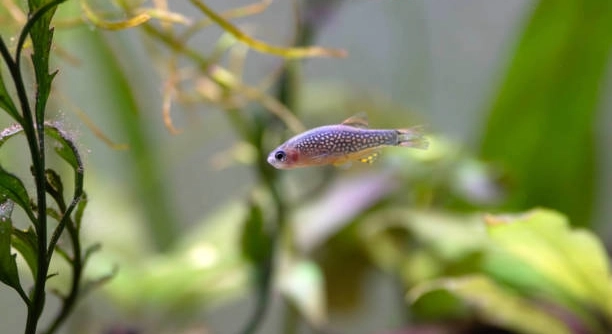
Do you ever notice your danios behaving differently as they grow older in your aquarium? Aging can bring subtle changes to their appearance, movement, and overall health. Recognizing these traits helps you provide better care for them.
Aging danios exhibit specific characteristics including slowed swimming, faded coloration, scale irregularities, enlarged eyes, changes in fin structure, increased susceptibility to disease, and altered feeding behaviors. These traits are consistent markers used to identify older specimens accurately.
Observing these traits closely can help ensure your danios stay healthy while adjusting care routines to meet their evolving needs. Proper attention can extend their well-being in the home aquarium.
Slowed Swimming and Reduced Activity
As danios age, one of the most noticeable changes is a reduction in swimming speed and general activity. Younger danios dart quickly around the tank, exploring and interacting with other fish. Older fish, however, may linger near the bottom or edges of the aquarium, moving more deliberately. This slowdown is partly due to muscular wear over time and a natural decrease in metabolic rate. You might also notice that older danios spend longer periods resting and are less responsive to sudden movements or feeding routines. In some cases, reduced activity can indicate underlying health issues such as fin damage, infections, or internal stress. Observing patterns in their movement helps distinguish normal aging from potential illness. It is important to maintain consistent water quality and a stable environment, as older danios are less resilient to fluctuations. Gentle feeding routines and low-stress surroundings support their continued health and comfort.
Reduced activity in aging danios is a clear marker of aging and requires careful observation to maintain proper care.
Slower swimming can impact social dynamics within the tank. Dominant, younger fish may outcompete older danios for food, making feeding schedules and strategies important. Providing multiple feeding spots, softer foods, and observing for signs of stress can help older fish maintain body condition. Additionally, tank decorations like smooth rocks and gentle water flow areas allow older danios to navigate without strain. Maintaining optimal water parameters and avoiding sudden changes in temperature or filtration reduces stress. Regular observation of swimming patterns and interaction with tank mates provides insights into their overall well-being. Aging danios benefit from a calm environment where they can rest, feed, and move at a pace suited to their physical condition. Supporting activity without forcing it ensures they remain comfortable and reduces the risk of injury or illness.
Faded Coloration and Scale Changes
Aging danios often display duller or faded colors as their scales lose vibrancy. This change is a natural part of aging and indicates alterations in pigmentation cells over time.
Faded coloration can also accompany minor scale irregularities, such as rough texture or small discolorations, which do not always indicate disease but require monitoring.
Changes in color and scale quality affect both appearance and social interactions. Bright coloration often signals vitality and attracts attention from tank mates, while faded or irregular scales may result in less social engagement or lower competitive advantage. Maintaining high-quality nutrition with varied diets rich in essential vitamins and carotenoids can help preserve some color intensity. Regular water changes and stable pH levels also support healthy scales. Watching for sudden or patchy color loss is important, as this may indicate infections or other health issues. A consistent and gentle care routine helps older danios retain as much natural coloration and scale integrity as possible, allowing them to remain comfortable and active despite age-related changes.
Enlarged Eyes
Enlarged eyes are a visible sign of aging in danios, often resulting from natural tissue changes over time. This change can slightly affect vision and overall behavior, making older fish appear more cautious when swimming or feeding.
Enlarged eyes can make older danios more sensitive to bright lighting or sudden movements. They may start avoiding areas near the surface or tank edges, preferring shaded or calmer spots. Adjusting lighting and providing gentle currents in the aquarium helps accommodate these visual changes. Eye enlargement may also coincide with other aging traits, like slower swimming or faded coloration. Monitoring their feeding habits ensures that vision changes do not interfere with nutrition.
Careful observation is essential, as noticeable eye enlargement can sometimes indicate health concerns like fluid buildup or infections. Providing soft food, stable water quality, and avoiding aggressive tank mates ensures older danios remain comfortable. Small adjustments to the environment can significantly improve their quality of life and reduce stress caused by diminished vision.
Fin Deterioration
Fin deterioration occurs gradually as danios age, leading to fraying, splitting, or reduced fin size. This change is largely due to repeated minor injuries, slower tissue regeneration, and natural wear.
Older danios with deteriorated fins may experience reduced swimming efficiency, making them less competitive during feeding or in interacting with other fish. Maintaining a calm tank environment with smooth decorations helps prevent further damage. Consistent water quality and minimal changes in temperature or filtration support fin regeneration and reduce stress.
Diet plays a crucial role in fin health, with protein-rich and vitamin-enriched foods helping to maintain tissue strength. Avoiding overcrowding and aggressive tank mates minimizes the risk of additional fin injuries. Monitoring older danios for signs of fin rot or infections allows early treatment, which can prevent serious complications. Providing gentle water currents and soft surfaces encourages comfortable swimming, enabling older danios to move naturally despite fin deterioration. Gradual care adjustments help preserve mobility and overall well-being.
Increased Susceptibility to Disease
Older danios are more prone to infections and illnesses due to a naturally weakened immune system. Regular monitoring and proper tank hygiene are essential to reduce risks and maintain their health.
Maintaining clean water, balanced nutrition, and avoiding overcrowding helps prevent common diseases like fin rot, fungal infections, or internal parasites.
Altered Feeding Behaviors
Aging danios often show changes in appetite or feeding patterns. They may eat less frequently or take longer to approach food, reflecting slower metabolism and reduced energy needs.
Adjusting feeding schedules and offering softer, nutrient-rich foods ensures older fish receive adequate nutrition without stress or competition from younger tank mates.
Reduced Social Interaction
Older danios tend to interact less with other fish, often avoiding active schooling or aggressive peers. This behavior is a natural result of aging and decreased stamina.
Providing calm areas and ensuring older danios have space to rest supports their comfort and minimizes stress, allowing them to maintain overall health.
FAQ
How can I tell if my danio is showing normal aging signs or illness?
Normal aging in danios includes slower swimming, faded coloration, fin fraying, enlarged eyes, and changes in feeding habits. Illness often presents as sudden color loss, rapid fin decay, swelling, or unusual lethargy. Observing patterns over time helps distinguish natural aging from health problems. Maintaining stable water quality and consistent diet allows older danios to thrive and reduces stress-related illnesses.
What adjustments should I make to feeding older danios?
Older danios may eat less frequently and take longer to approach food. Offering smaller, softer meals rich in vitamins and protein ensures they receive adequate nutrition. Multiple feeding spots prevent competition from younger, faster fish. Avoid overfeeding, as slower metabolism increases the risk of digestive issues. Monitoring appetite helps identify changes that may indicate underlying health concerns.
Do I need to change tank conditions for aging danios?
Yes. Older danios benefit from calm water currents, stable temperatures, and shaded areas. Smooth decorations prevent injuries to frayed fins or sensitive eyes. Reducing aggressive tank mates and maintaining consistent water quality supports comfort, lowers stress, and helps preserve health in aging fish. Regular maintenance ensures a safe and stable environment.
How can I maintain coloration in older danios?
While natural fading occurs with age, high-quality nutrition with carotenoids and vitamins can help preserve some color. Avoid stressful tank conditions, sudden lighting changes, and poor water quality, as these factors can accelerate color loss. Gentle observation and consistent care promote vibrancy and overall well-being.
Should I separate aging danios from younger fish?
Not necessarily, but older danios often benefit from less competition for food. If younger fish are highly active or aggressive, providing separate feeding areas or a calm section of the tank reduces stress and allows older fish to feed safely. This adjustment helps maintain body condition and prevents injury.
Can fin deterioration be reversed in older danios?
Fin fraying cannot fully reverse due to slower tissue regeneration in aging fish. However, supporting water quality, gentle currents, and a protein-rich diet can slow deterioration and prevent secondary infections. Early detection of fin rot or damage allows treatment to reduce further loss.
How do I monitor for eye problems in aging danios?
Enlarged eyes are a normal part of aging, but sudden swelling, cloudiness, or fluid buildup can indicate illness. Observe vision during feeding and movement. Adjust lighting and reduce sudden disturbances to accommodate natural changes and minimize stress. Early detection helps prevent complications.
What are the best ways to prevent disease in older danios?
Consistent water changes, low-stress tank conditions, balanced nutrition, and avoiding overcrowding reduce disease risk. Quarantining new fish prevents introducing infections. Monitoring behavior, appetite, and physical traits regularly ensures early detection of health issues, allowing timely intervention to maintain the well-being of aging danios.
How often should I check water parameters for older fish?
Frequent monitoring is important. Test temperature, pH, ammonia, nitrite, and nitrate levels at least weekly. Older danios are less resilient to fluctuations, and consistent conditions prevent stress and illness. Maintaining optimal water parameters supports their immune system and overall comfort.
Can environmental enrichment benefit older danios?
Yes. Providing hiding spots, gentle currents, and varied tank structures encourages natural movement without overexertion. Enrichment supports mental stimulation, reduces stress, and allows older danios to engage in normal behaviors safely. These small adjustments improve quality of life as they age.
Is it normal for older danios to swim alone?
Reduced social interaction is common. Older danios may avoid schooling or aggressive tank mates. Ensuring calm areas and space for resting helps them maintain comfort and reduces stress. Social changes are part of aging and typically do not indicate illness unless accompanied by sudden lethargy or disinterest in feeding.
How long can danios live under good care?
With proper nutrition, stable water conditions, and low-stress environments, danios can live six to eight years. Aging signs usually appear gradually, and attentive care can extend health and vitality, allowing older danios to remain active and comfortable well into later life.
Final Thoughts
Aging in danios is a natural process that brings visible changes in their appearance, behavior, and overall health. Over time, older danios may show slower swimming, faded coloration, frayed fins, enlarged eyes, and altered feeding habits. These traits are not signs of neglect but rather indicators of the fish’s life stage. Observing these changes closely allows you to adjust care routines and maintain a comfortable environment. Providing a calm tank, consistent water quality, and gentle handling helps older danios continue to thrive despite natural aging effects.
Nutrition and feeding practices play a key role in supporting aging danios. As their metabolism slows, they may require smaller, softer meals that are rich in essential nutrients, proteins, and vitamins. Offering food in multiple areas reduces competition from younger, more active tank mates, allowing older fish to feed at their own pace. Balanced nutrition supports body condition, fin integrity, and coloration, which often diminishes with age. Monitoring appetite and behavior during feeding provides insight into their health, helping to identify potential issues early. Small adjustments, such as gentle feeding routines and careful observation, contribute significantly to their well-being and comfort.
Maintaining a stable and safe environment is equally important. Older danios are more sensitive to water quality fluctuations, aggressive tank mates, and strong currents. Providing shaded areas, smooth decorations, and quiet spaces allows them to rest and move with ease. Regular water testing, consistent cleaning schedules, and careful observation of behavior ensure that they remain healthy and comfortable. While aging brings inevitable changes, attentive care can extend their active years and improve quality of life. Understanding these traits and adjusting your aquarium management accordingly ensures that your danios remain safe, nourished, and comfortable as they grow older.

Hello,
If you enjoy the content that we create, please consider saying a "Thank You!" by leaving a tip.
Every little bit helps us continue crafting quality advice that supports the health, happiness, and well-being of pets around the world, for pets of all shapes, sizes, and species.
We really appreciate the kindness and support that you show us!