
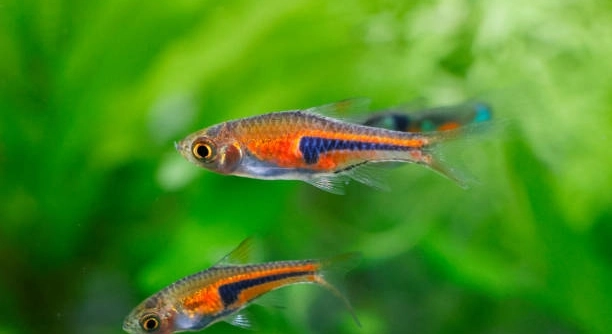
Rasboras are popular freshwater fish known for their vibrant colors and peaceful nature. When these fish feel comfortable in their environment, they display distinct behaviors that signal they are settled. Recognizing these traits helps ensure their well-being.
Settled rasboras exhibit consistent schooling behavior, steady swimming patterns, regular feeding habits, and active exploration of their habitat. They maintain bright coloration and show minimal stress signs, indicating a stable and healthy adaptation to their environment.
Observing these behaviors closely can help you create a better habitat and support your rasboras’ long-term health and happiness.
Consistent Schooling Behavior
Rasboras naturally swim in groups, which provides them with safety and comfort. When they feel settled, they maintain tight, synchronized schooling patterns throughout the tank. This behavior shows they trust their environment and each other. If you notice your rasboras scattering or isolating, it may be a sign of stress or discomfort. A settled group moves gracefully together, weaving through plants and decorations without sudden or erratic movements. They seem more confident exploring different areas but always stay close to their group. This consistent schooling also helps reduce aggression and keeps the fish calm, contributing to their overall health. It’s important to provide enough space and hiding spots to encourage this behavior. Watching a stable school of rasboras can be very calming and rewarding. It reflects a balanced ecosystem where the fish are thriving and secure.
Tight schooling is a reliable indicator of settled rasboras, showing their comfort and security in the tank environment.
Maintaining proper water conditions, avoiding sudden changes, and offering plants or decorations encourages this natural schooling behavior. A peaceful tank will let your rasboras move together confidently and reduce stress-related issues, ensuring they remain healthy and active.
Steady Swimming Patterns
A settled rasbora will swim smoothly and steadily without frantic bursts or constant hiding. When comfortable, their movement becomes predictable and calm. Erratic or rapid swimming often signals stress or illness, while slow, steady motion indicates well-being. Consistency in swimming means they feel safe with the water parameters and tank mates. You might notice them exploring different tank areas regularly but never rushing or darting away suddenly. This behavior points to a healthy, stable environment where they can focus on feeding and interacting. In contrast, unsettled fish may hover near the surface or hide too often. By observing these swimming patterns, you can adjust care routines to maintain comfort. Clean water, stable temperatures, and minimal disruptions help your rasboras feel secure enough to move naturally throughout their space. This calm activity is key for their long-term health and happiness.
Regular Feeding Habits
Settled rasboras eat at consistent times and show interest in food without hesitation. They gather quickly when feeding begins and consume their food calmly. This regularity is a good sign of their comfort in the tank.
When rasboras are comfortable, they establish a feeding routine, approaching food promptly and without signs of stress. They eat evenly, without competition or panic, indicating that the environment supports their natural behaviors. Feeding time becomes predictable, and they rarely refuse food unless unwell. This steadiness helps maintain their energy levels and overall health. It also allows you to monitor their appetite, which is a useful indicator of their condition. Changes in feeding behavior often signal environmental issues or illness, so consistent eating habits reflect well-settled fish. Providing balanced food and avoiding overfeeding supports this positive pattern.
Ensuring clean water and a stable feeding schedule reinforces regular feeding habits. When rasboras know their environment is safe, they thrive and remain active, which benefits their growth and longevity.
Active Exploration of Habitat
Settled rasboras actively explore their tank without fear. They swim through plants, investigate decorations, and move confidently. This behavior shows they are comfortable with their surroundings and feel secure.
Exploration is an important sign of a healthy fish environment. Rasboras that freely move and investigate their habitat demonstrate reduced stress and curiosity about their space. They interact with tank features, swim at various levels, and avoid staying hidden for long periods. This activity improves their mental and physical well-being, keeping them engaged and lively. Providing plenty of hiding spots and open swimming areas encourages exploration, helping rasboras establish their territory and routines. A well-decorated tank mimics their natural habitat, making them feel at home and promoting these natural behaviors.
Encouraging active exploration leads to stronger immune systems and better social interactions. A comfortable, enriched tank helps rasboras maintain balance and reduces signs of anxiety or boredom.
Bright Coloration
Settled rasboras display vibrant, consistent colors that reflect good health. Dull or faded colors can indicate stress or illness.
Their bright coloration signals that they are comfortable in their environment. Healthy water conditions and proper diet help maintain these vivid hues, making the fish more visually appealing and indicating their well-being.
Minimal Stress Signs
When rasboras are settled, they show little to no signs of stress such as clamped fins or erratic behavior. Calmness is a clear indicator of their comfort.
Social Interaction
Rasboras that are settled interact calmly with tank mates. They avoid aggressive behavior and maintain peaceful coexistence, showing a balanced social environment.
What causes rasboras to become unsettled?
Rasboras can become unsettled due to sudden changes in their environment. This includes fluctuations in water temperature, poor water quality, or abrupt lighting changes. Stressful conditions like overcrowding or aggressive tank mates also disrupt their comfort. Even irregular feeding schedules or loud noises nearby can cause anxiety in these sensitive fish.
How can I improve water quality for my rasboras?
Regular water changes are essential to maintain clean water. Test parameters like ammonia, nitrites, nitrates, and pH frequently. Use a good filtration system that suits your tank size, and avoid overfeeding to prevent excess waste buildup. Conditioning the water before adding it to the tank helps remove chlorine or harmful chemicals that stress fish.
Why do rasboras hide frequently?
Hiding often is a common sign of stress or fear. It may indicate poor water conditions, illness, or feeling threatened by other fish. Insufficient hiding spots can also cause them to feel exposed, leading to more hiding behavior. Ensuring proper tank mates and providing plants or decorations can reduce hiding.
Can diet affect how settled rasboras are?
Yes, diet plays a big role in their health and behavior. Feeding a balanced diet rich in nutrients keeps rasboras strong and vibrant. Poor diet or inconsistent feeding can weaken their immune system and cause stress, making them less active and more prone to disease.
How do I know if my rasboras are stressed?
Signs of stress include clamped fins, rapid breathing, loss of color, erratic swimming, and hiding. They may also refuse food or show lethargy. Stress reduces their immune response, making them vulnerable to illness. Observing these signs early helps you take quick action to improve their conditions.
What tank conditions do rasboras prefer to feel settled?
Rasboras thrive in tanks with stable temperatures between 72-78°F (22-26°C). They prefer slightly acidic to neutral water, with a pH around 6.5 to 7.5. Moderate water flow and dim lighting mimic their natural environment, helping them feel safe. A planted tank with open swimming areas also supports their well-being.
How important is tank size for settled rasboras?
Tank size matters because rasboras are active swimmers and schooling fish. A larger tank (at least 20 gallons) gives them enough space to move freely and maintain social groups. Crowded or small tanks increase stress and aggression, disrupting their settled behavior.
Can tank mates affect how settled rasboras are?
Yes, peaceful tank mates promote calmness in rasboras. Aggressive or territorial fish cause stress and fear, making rasboras hide or swim erratically. Choose compatible species that won’t compete aggressively for food or space, helping everyone coexist peacefully.
How long does it take for rasboras to settle in a new tank?
Rasboras usually take a few days to a couple of weeks to fully settle after being introduced to a new environment. This depends on tank conditions, water quality, and the presence of hiding spots. Maintaining stable water parameters and minimizing disturbances speeds up this adjustment period.
What are common mistakes that disrupt rasboras’ settled behavior?
Common mistakes include sudden water changes, overfeeding, mixing incompatible species, and inadequate hiding places. Ignoring water testing or failing to maintain filtration also creates poor conditions. Consistency and gentle care are key to keeping rasboras calm and settled over time.
Settling into a comfortable environment is important for the well-being of rasboras. These small, peaceful fish show clear signs when they feel at ease in their tank. By recognizing traits like consistent schooling, steady swimming, regular feeding, and bright coloration, it becomes easier to understand their needs. When rasboras feel secure, they are healthier and more active, which is a sign that the tank conditions are suitable. Keeping their environment stable and clean supports their natural behavior and helps avoid stress-related issues. This attention to detail creates a better space for the fish to thrive.
Maintaining good water quality is one of the most important factors in keeping rasboras settled. Regular water changes, monitoring temperature, and checking parameters like pH and ammonia levels are necessary steps. Providing enough space and plants also helps reduce stress and encourages natural behaviors such as exploration and schooling. Proper feeding routines and a balanced diet contribute to their health and vibrant appearance. When all these conditions are met, rasboras show less hiding, more social interaction, and stronger coloration. It is a combination of small efforts that builds a comfortable habitat where they can live peacefully.
Understanding and observing your rasboras’ behavior is the best way to ensure they remain settled. Changes in their usual patterns, such as sudden hiding, erratic swimming, or loss of appetite, often point to a problem in their environment. Acting quickly to address water quality or adjusting tank conditions can help restore balance. Creating a calm, stable environment takes time but rewards you with healthy, happy fish. The goal is to support their natural instincts and keep the tank as close to their ideal habitat as possible. This care ultimately leads to a more enjoyable and successful experience keeping rasboras.

Hello,
If you enjoy the content that we create, please consider saying a "Thank You!" by leaving a tip.
Every little bit helps us continue crafting quality advice that supports the health, happiness, and well-being of pets around the world, for pets of all shapes, sizes, and species.
We really appreciate the kindness and support that you show us!