
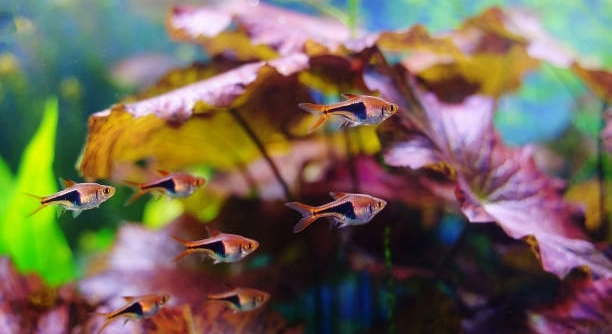
Keeping a rasbora community healthy requires attention to both their environment and social needs. These small, peaceful fish thrive when conditions are stable, and their tank is properly maintained to support growth and activity.
A thriving rasbora community depends on stable water conditions, adequate space, balanced diet, consistent lighting, social interaction, proper filtration, and a well-planted environment. Meeting these factors ensures health, reduces stress, and promotes natural behaviors among all individuals.
Observing their interactions and tank conditions can reveal important patterns for maintaining harmony and long-term health within your rasbora group.
Stable Water Conditions
Maintaining stable water conditions is essential for a rasbora community to thrive. These fish are sensitive to sudden changes in temperature, pH, and hardness. A consistent environment reduces stress and helps them display natural behaviors, such as schooling and exploring. Regular water testing and partial water changes help maintain optimal parameters. Avoid overcrowding, which can quickly destabilize the tank and affect water quality. Using a reliable heater and thermometer ensures temperature remains steady, while a quality filter removes waste and toxins. Keeping nitrate, ammonia, and nitrite levels low is critical, as even small spikes can weaken their immune systems. Additionally, introducing new fish gradually and quarantining them helps prevent the spread of disease, maintaining overall tank health. Observing the fish daily allows you to notice any changes in behavior or appearance, which often signal water quality issues. Creating this stable environment encourages rasboras to be active, healthy, and vibrant.
Stable water conditions prevent stress and illness, ensuring rasboras remain active and maintain their natural behaviors.
Consistency in water temperature, filtration, and chemical balance directly impacts growth, health, and social stability. A predictable environment allows rasboras to form strong schooling patterns and reduces sudden health risks. Daily observation and careful adjustments support long-term wellbeing and harmony in the tank.
Adequate Space
Rasboras need enough room to swim freely and interact naturally. Overcrowded tanks can lead to stress, aggression, and stunted growth.
Providing ample space allows each fish to explore and maintain social bonds. It also reduces competition for food and hiding spots, contributing to overall tank stability.
Space influences schooling behavior and reduces tension. In a spacious tank, rasboras can form natural groups, split into smaller subgroups, and retreat to plants or decorations when needed. This not only supports their physical health but also enhances mental stimulation. Each fish has room to feed comfortably, minimizing competition and ensuring proper nutrition. A larger tank also helps maintain water quality, as waste is more easily diluted and filtered, reducing the risk of harmful chemical spikes. Careful planning of tank size relative to the number of fish promotes a balanced ecosystem. Adding plants and decorations provides vertical and horizontal swimming space, creating layers within the tank. When space is sufficient, rasboras exhibit natural behaviors, socialize confidently, and display their vibrant colors more frequently, resulting in a lively, harmonious community.
Balanced Diet
A varied diet keeps rasboras healthy and active. Feeding a mix of flakes, pellets, and live or frozen foods ensures proper nutrition and supports growth, coloration, and energy levels.
Providing a balanced diet means rotating different food types to meet all nutritional needs. Live or frozen foods like daphnia, brine shrimp, and bloodworms offer protein and encourage natural hunting behaviors. High-quality flakes or pellets provide essential vitamins and minerals for long-term health. Avoid overfeeding, as leftover food can pollute the water and cause stress or illness. Feeding small portions multiple times a day helps maintain energy without overwhelming their digestive system. Proper nutrition enhances immunity, reduces disease risk, and allows rasboras to maintain bright colors and lively activity. Observing their eating habits also helps detect early signs of health issues.
A nutritious diet strengthens immune systems and promotes healthy growth. Consistent feeding routines support social stability, reduce competition, and encourage natural behaviors in the tank environment.
Social Interaction
Rasboras thrive in groups, and strong social interaction reduces stress and encourages schooling behavior. They feel safer when surrounded by companions, which helps them stay active and confident.
Social interaction affects behavior, hierarchy, and overall well-being. A community of at least six fish allows natural group dynamics to form. Isolated individuals may become stressed, hide, or stop eating, which can lead to illness. Observing how fish interact can indicate if group size or tank layout needs adjustment. Encouraging schooling by providing open swimming areas and visual barriers improves cohesion. Social engagement also stimulates mental activity, reducing boredom and repetitive behaviors. Maintaining a balanced male-to-female ratio prevents aggression and supports breeding behaviors. A well-structured social environment ensures rasboras display normal, healthy patterns while enhancing the vibrancy of the community.
Proper Filtration
A reliable filter keeps the tank clean and water parameters stable. It removes waste, uneaten food, and harmful chemicals, creating a healthier environment for rasboras.
Filtration also helps maintain oxygen levels and reduces algae growth. Choosing a filter appropriate for tank size ensures efficient circulation and prevents stagnant areas, supporting overall fish health.
Consistent Lighting
Consistent lighting supports natural rhythms in rasboras. Too much or too little light can stress them, affecting behavior, appetite, and coloration.
Maintaining a regular light schedule encourages normal activity patterns. Using a timer helps replicate day-night cycles, enhancing both health and the visual appeal of the tank.
Well-Planted Environment
Plants provide hiding spots and reduce stress, encouraging natural behaviors like schooling and exploration. Dense planting improves water quality by absorbing nitrates.
FAQ
How many rasboras should I keep together?
Rasboras are schooling fish and feel most comfortable in groups of six or more. Smaller groups can lead to stress, hiding, or lethargy. Keeping at least six ensures natural behavior, reduces aggression, and promotes active swimming patterns throughout the tank. Larger groups can improve visual appeal and create a more balanced social environment.
What is the ideal water temperature for rasboras?
Rasboras thrive in water between 72°F and 78°F (22°C–26°C). Maintaining a stable temperature prevents stress and health issues. Sudden changes can weaken their immune system, making them more susceptible to disease. Using a heater with a reliable thermometer helps maintain consistent conditions.
What should I feed my rasboras?
A varied diet is best. High-quality flakes or pellets form the base of their diet. Supplementing with live or frozen foods like daphnia, brine shrimp, or bloodworms provides protein and encourages natural hunting behaviors. Feeding small amounts two to three times a day prevents overfeeding and water pollution.
How often should I change the water?
Partial water changes of 20–30% every week are recommended. This keeps nitrate levels low and removes accumulated waste. Regular changes also help maintain stable pH and hardness, ensuring a healthy environment for rasboras. Overdoing water changes can cause stress, so consistency is key.
Can rasboras live with other fish?
Yes, but choose peaceful tank mates. Rasboras are small and non-aggressive, so avoid large or territorial species. Suitable companions include tetras, small gouramis, or corydoras. Mixing compatible species adds variety and maintains a calm, harmonious tank environment.
How can I encourage breeding in rasboras?
Provide a well-planted tank and stable water conditions. Slightly cooler water changes can trigger spawning. Feed high-protein foods to condition the fish. Males display brighter colors during breeding, and females develop a fuller belly. Remove adults after eggs are laid to prevent predation.
Why are my rasboras hiding constantly?
Hiding usually indicates stress or discomfort. Check water quality, temperature, and tank mates. Overcrowding or poor water conditions can cause prolonged hiding. Providing plants and decorations offers safe spaces, but consistent hiding should be investigated and corrected.
What are signs of illness in rasboras?
Look for faded colors, clamped fins, rapid breathing, lethargy, or loss of appetite. Spots, lesions, or unusual swimming patterns also indicate health problems. Early detection and prompt treatment help prevent spread and increase recovery chances.
How do I prevent algae growth in a rasbora tank?
Moderate lighting, proper feeding, and regular maintenance control algae. Avoid overfeeding, which contributes to excess nutrients. Incorporating live plants can compete with algae for nutrients, and consistent water changes remove dissolved waste, keeping the tank balanced.
Can rasboras tolerate low oxygen levels?
Rasboras need well-oxygenated water. Adequate surface agitation and proper filtration help maintain oxygen levels. Low oxygen can lead to lethargy, gasping at the surface, and stress. Ensure the tank is not overcrowded, and plants do not block surface movement to support healthy oxygen levels.
How often should I trim or maintain plants?
Regular trimming keeps plants healthy and prevents overgrowth. Dense plants improve hiding spaces but may reduce swimming area if left unchecked. Removing dead or decaying leaves helps maintain water quality. Balance plant density with open swimming space for rasboras to school naturally.
Do rasboras need a special substrate?
A fine gravel or sand substrate works best. It supports plant growth, allows natural foraging, and prevents injury to delicate fins. Avoid sharp or large gravel pieces. Substrate choice contributes to overall tank aesthetics and helps maintain a stable environment for the community.
How can I tell if my rasboras are stressed?
Stress signs include hiding, erratic swimming, loss of appetite, and faded colors. Stress often results from poor water quality, sudden changes, overcrowding, or incompatible tank mates. Observing daily behavior helps catch problems early and maintain a stable, healthy community.
Is it necessary to quarantine new rasboras?
Yes. Quarantining new fish for at least two weeks prevents introducing disease to the main tank. Monitor for signs of illness and treat if necessary. Quarantine tanks provide a controlled environment, reducing the risk of infections spreading to existing fish.
What type of decorations are best for rasboras?
Simple decorations that provide hiding spots and open swimming areas are ideal. Live plants, driftwood, and small caves work well. Avoid sharp or rough objects that could injure delicate fins. Decorations also help create a natural, stress-free environment for schooling behaviors.
How do I maintain a stable pH for rasboras?
Rasboras prefer a pH around 6.5–7.5. Regular testing and water changes help maintain stability. Using natural materials like driftwood or peat can slightly lower pH, while buffers adjust it safely. Sudden pH shifts should be avoided, as they can stress the fish and impact health.
Can rasboras tolerate tap water?
Yes, if properly treated. Chlorine and chloramine must be removed with a water conditioner before adding water to the tank. Tap water should be tested for hardness and pH. Proper treatment ensures a safe environment and prevents long-term health issues.
How long do rasboras typically live?
With proper care, most rasboras live between 4–6 years. Stable water conditions, a balanced diet, and low-stress environments contribute to longevity. Observing health, behavior, and consistent tank maintenance can help ensure they reach their full lifespan potential.
What is the best way to introduce new rasboras to an established tank?
Float the bag in the tank to equalize temperature, then slowly mix tank water into the bag over 20–30 minutes. This acclimates the fish gradually and reduces shock. Release them gently, preferably near plants or hiding spots, to minimize stress and allow adjustment.
Can rasboras live in a planted tank only?
Yes. A planted tank provides hiding spots, reduces stress, and improves water quality. Ensure enough open swimming space remains for schooling behavior. Proper maintenance, including pruning and water changes, keeps a planted tank healthy and suitable for a thriving rasbora community.
How do I control aggression in a rasbora tank?
Aggression is rare but may occur if the tank is overcrowded or lacks hiding spaces. Maintaining proper group size, providing plants, and ensuring compatible tank mates reduces conflicts. Observing behavior allows early intervention, preventing stress and injuries.
Do rasboras require a heater in every climate?
Rasboras prefer stable temperatures and may need a heater in cooler climates. Even small fluctuations can stress them. Maintaining the tank within their preferred range ensures activity, appetite, and coloration remain optimal year-round. A reliable heater and thermometer make temperature control easy.
Are rasboras sensitive to noise or vibrations?
Yes. Sudden loud noises or vibrations can stress rasboras, causing erratic swimming or hiding. Placing the tank in a stable, low-traffic area minimizes disturbances and supports consistent behavior. Stress reduction contributes to overall health and community stability.
Can I keep different rasbora species together?
Many species can coexist if they share similar water requirements and temperaments. Research compatibility before mixing species. Proper group size, tank space, and hiding spots ensure peaceful interaction. Observing behavior after introduction helps confirm harmony and reduces potential stress or aggression.
What are the signs of good health in rasboras?
Active swimming, bright colors, schooling behavior, regular eating, and smooth fins indicate health. Healthy rasboras interact confidently with tank mates and explore their environment. Consistent observation allows early detection of potential issues, maintaining a thriving and balanced community.
How do I reduce stress during tank cleaning?
Partial water changes and gentle cleaning minimize disruption. Avoid sudden temperature shifts or strong currents. Move decorations carefully and replace filter media slowly to preserve beneficial bacteria. Reducing stress helps maintain immunity and keeps rasboras active and healthy.
Is it necessary to test water for ammonia and nitrite?
Yes. Regular testing prevents toxic buildup, which can harm or kill fish. Maintaining near-zero ammonia and nitrite levels is essential. Test kits allow quick monitoring and help guide water changes or filtration adjustments to ensure a safe environment for the entire community.
How often should I monitor water parameters?
Weekly testing of temperature, pH, hardness, ammonia, nitrite, and nitrate is recommended. Frequent checks detect imbalances early, allowing corrective measures before they affect fish health. Consistent monitoring supports long-term stability and a thriving rasbora community.
Can rasboras tolerate slightly acidic or alkaline water?
They prefer slightly acidic to neutral water (6.5–7.5 pH). Minor fluctuations are usually tolerated if gradual, but sudden shifts can stress fish. Maintaining stability is more important than hitting exact values. Gradual adjustments protect health and encourage natural behavior.
Should I remove uneaten food immediately?
Yes. Leftover food decomposes, increasing ammonia and nitrate levels. Removing uneaten portions prevents water quality issues and reduces stress, illness, and algae growth. Feeding small amounts reduces waste and helps maintain a cleaner, safer tank environment.
Do rasboras need a strong current in the tank?
Moderate water flow is ideal. Strong currents can stress them and hinder schooling, while stagnant water reduces oxygen levels. Proper filtration provides gentle circulation, supporting healthy swimming patterns and maintaining water quality without overwhelming the fish.
How do I know if my rasboras are getting enough oxygen?
Active swimming, normal breathing, and minimal surface gasping indicate adequate oxygen. Signs of low oxygen include lethargy, rapid gill movement, and staying near the surface. Proper filtration, moderate flow, and open water areas help maintain oxygen levels and overall health.
Can rasboras tolerate cloudy water?
Temporary cloudiness is usually harmless if water parameters are stable. Persistent cloudy water may indicate bacterial blooms or excess waste. Regular maintenance, water changes, and monitoring ensure clarity and reduce stress for the fish, supporting a thriving community.
What tank size is best for a small rasbora community?
A 20-gallon tank is ideal for a small group of six to eight rasboras. Larger tanks are better for bigger groups, providing swimming space and reducing stress. Adequate size supports natural behavior, healthy growth, and proper social interaction.
How do I safely remove sick fish?
Use a separate quarantine tank to isolate sick individuals. Handle gently and avoid exposing other fish to contaminated water. Treat illness promptly with appropriate medication while maintaining water quality. Isolation prevents disease spread and allows better monitoring during recovery.
Can rasboras live with shrimp or snails?
Yes. Peaceful shrimp and snails can coexist without harming rasboras. They help clean the tank and add diversity without causing stress. Ensure hiding spots for both species to prevent accidental conflicts or predation.
Are rasboras suitable for beginner fishkeepers?
Yes, they are relatively hardy if water conditions, diet, and tank environment are maintained properly. Observing behavior and following basic care routines ensures a healthy, active, and colorful community suitable for new fishkeepers.
What is the best way to clean the substrate?
Use a gravel vacuum during water changes to remove debris without disturbing plants or fish. Regular cleaning prevents waste buildup, maintains water quality, and reduces stress while keeping the tank visually appealing and safe for rasboras.
How do I prevent disease outbreaks?
Maintain stable water conditions, provide a balanced diet, avoid overcrowding, and quarantine new fish. Regular observation allows early detection, while proper filtration and cleaning reduce pathogens. Healthy, low-stress environments minimize the risk of disease spreading in the tank.
Do rasboras require supplemental vitamins?
High-quality foods usually provide adequate nutrition. Occasional supplementation with vitamin-enriched flakes or frozen foods can support immune function and coloration. Over-supplementing is unnecessary and can affect water quality. Balance nutrition through varied and high-quality food sources.
Can I keep rasboras in a nano tank?
Small tanks can house rasboras if group size is limited and water parameters are stable. Nano tanks require careful monitoring of water quality and temperature. Providing plants and hiding spots ensures comfort and reduces stress, supporting a small but thriving community.
How long should lights stay on in a rasbora tank?
Approximately 8–10 hours per day is sufficient. Consistent light cycles support natural rhythms, plant growth, and fish activity. Using a timer ensures routine lighting, reducing stress and helping maintain healthy behaviors and vibrant coloration.
Is it necessary to aerate a planted tank for rasboras?
Aeration is helpful but not always required in well-planted tanks. Plants contribute oxygen during the day, but gentle surface movement ensures gas exchange. Proper filtration also supports oxygen levels, maintaining a healthy environment for rasboras.
How do I introduce plants without harming rasboras?
Rinse plants thoroughly to remove debris or pests. Plant gently to avoid sudden substrate disruption. Observe the fish as they adjust, ensuring hiding spots remain accessible. Gradual planting minimizes stress and keeps the tank balanced.
Can rasboras live with bettas?
Caution is needed. Betta temperament varies, and aggressive individuals can stress or harm rasboras. Provide plenty of space, hiding spots, and monitor interactions closely. Compatibility depends on the betta’s behavior and tank conditions.
What should I do if rasboras stop schooling?
Check water quality, temperature, and tank layout. Stress, illness, or poor conditions may cause schooling disruption. Ensuring proper group size, open swimming space, and compatible tank mates encourages normal social behavior and restores cohesive schooling.
How do I prevent fin damage in rasboras?
Avoid sharp decorations, overcrowding, and aggressive tank mates. Providing smooth surfaces, plants, and adequate space reduces risk. Healthy water conditions and careful handling during maintenance protect delicate fins, supporting overall well-being and appearance.
Are rasboras sensitive to water hardness?
They prefer soft to moderately hard water (2–12 dGH). Sudden changes can stress fish. Maintaining consistent hardness supports health, breeding potential, and natural behavior, while gradual adjustments can correct imbalances safely.
How can I encourage vibrant colors in rasboras?
A varied, high-quality diet, stable water conditions, and low stress enhance coloration. Proper lighting and plant coverage allow natural expression. Healthy fish display their brightest colors when environment and social needs are met.
Do rasboras require UV sterilizers?
Not necessary for routine care. UV sterilizers can help control algae and pathogens but are optional if water quality, filtration, and maintenance are properly managed. Regular monitoring ensures disease prevention without additional equipment.
Can rasboras adapt to new tanks quickly?
Gradual acclimation reduces shock. Floating the bag, slowly adding tank water, and gentle release minimize stress. Adjustment speed depends on water stability, tank setup, and group dynamics. Proper acclimation supports health, feeding, and natural behavior.
How important is daily observation?
Daily checks allow early detection of health issues, stress, or water quality problems. Monitoring activity, eating habits, and interactions ensures prompt action and helps maintain a thriving rasbora community consistently.
Caring for a rasbora community requires attention to both their environment and social needs. Stable water conditions, adequate space, and proper filtration form the foundation of a healthy tank. Maintaining consistent temperature, pH, and hardness reduces stress and keeps the fish active and vibrant. Regular partial water changes and monitoring water quality help prevent problems before they start, supporting long-term health. Providing a well-planted environment not only improves water quality but also gives the fish places to hide and feel secure. Open swimming areas alongside plants allow rasboras to exhibit natural schooling behavior, which is essential for their social structure and overall wellbeing. Simple daily observations can reveal subtle changes in behavior or appetite that indicate the need for adjustments.
Nutrition plays a major role in sustaining a thriving rasbora community. A varied diet of high-quality flakes or pellets supplemented with live or frozen foods ensures they receive all necessary nutrients. Feeding small amounts multiple times a day prevents overfeeding while encouraging natural hunting behaviors. Balanced nutrition supports immune function, growth, and coloration, allowing the fish to display their best health. Avoiding leftover food in the tank reduces waste buildup and prevents spikes in harmful chemicals. Watching how your rasboras feed can help identify issues early, such as stress, illness, or competition between individuals. Consistent feeding routines paired with careful observation create a stable environment where all fish can thrive together.
Social interaction is equally important for rasboras. They are schooling fish, and keeping them in groups of six or more encourages natural behavior and reduces stress. Isolation or small groups can cause hiding, lethargy, or aggression. Providing adequate space, hiding spots, and compatible tank mates allows the community to form balanced social structures. Environmental enrichment such as plants and gentle water flow helps stimulate activity and supports mental health. Regularly checking tank dynamics ensures that all fish remain healthy, active, and confident. By focusing on water quality, nutrition, and social balance, a rasbora community can flourish, creating a lively and harmonious aquarium where the fish display their natural behaviors and vibrant colors consistently.

Hello,
If you enjoy the content that we create, please consider saying a "Thank You!" by leaving a tip.
Every little bit helps us continue crafting quality advice that supports the health, happiness, and well-being of pets around the world, for pets of all shapes, sizes, and species.
We really appreciate the kindness and support that you show us!