
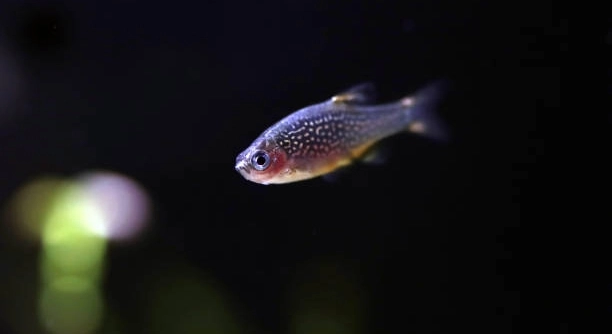
Are your fry tanks thriving, yet you find it difficult to track their growth accurately? Monitoring their development consistently is essential for maintaining healthy, robust populations. Small changes in behavior or size can indicate important shifts in their environment.
Efficient fry monitoring requires reliable tools that allow for precise observation and data recording. Implementing digital counters, magnification devices, and automated tracking systems helps streamline the process, reduce human error, and ensure optimal growth conditions for young fish.
Using the right tools can make all the difference in maintaining healthy fry populations. This guide will highlight methods to simplify monitoring and enhance care.
Digital Counters for Fry Tracking
Using digital counters can make monitoring fry populations much easier. These devices allow you to record the number of fry in a tank quickly and accurately, reducing the chance of miscounting. They are particularly useful in larger tanks or when working with fast-moving fry. By keeping a daily record, you can observe growth trends and detect early signs of health issues. Consistent monitoring also helps maintain proper feeding schedules, as sudden changes in fry numbers can indicate problems with water quality or disease. Many digital counters are small, portable, and easy to clean, making them practical for repeated use. With the ability to save and review past data, you can compare growth rates across different tanks or breeding cycles. Using a digital counter helps maintain precise records and improves overall tank management, allowing for proactive care instead of reactive measures when problems arise.
Digital counters save time and improve accuracy for consistent fry monitoring.
Regular tracking with digital counters ensures early detection of issues. It also helps in comparing growth rates and maintaining proper care routines. With historical data stored, patterns emerge, and adjustments to feeding or tank conditions become easier. Digital counters integrate well with other monitoring tools, creating a more complete observation system. For breeders managing multiple tanks, these devices reduce errors and make record-keeping more efficient, which can be crucial for maintaining healthy populations.
Magnification Tools for Detailed Observation
Magnification tools let you observe fry closely without disturbing them.
Magnifiers and small microscopes provide a clear view of fry size, fin development, and general health. Close observation helps detect deformities or early signs of disease. Regular inspection with magnification tools ensures that fry grow properly and allows timely intervention if needed. Many magnifiers are simple to use and can be attached to tanks or handheld for convenience. They help in documenting changes over time, giving a visual record of development. Using magnification alongside counters and other monitoring tools creates a detailed picture of growth and overall tank health. This approach supports more informed decisions about feeding, water quality adjustments, and selective breeding. Observing fry under magnification also makes it easier to differentiate between species or strains when raising multiple types together. Proper use of these tools enhances monitoring without causing stress to the fry, ensuring healthier populations.
Automated Monitoring Systems
Automated monitoring systems track water conditions and fry activity continuously. These systems reduce the need for constant manual checks, alerting you to any sudden changes in temperature, pH, or oxygen levels. They help maintain a stable environment crucial for healthy fry growth.
These systems often include sensors and cameras that feed real-time data to a central display or mobile device. Alerts can notify you immediately if conditions fall outside safe ranges. By tracking activity patterns, automated systems can also highlight feeding issues or unusual behavior in fry. Many models allow data storage for long-term analysis, helping identify trends that manual monitoring might miss. Automated systems integrate with other tools like digital counters, creating a comprehensive monitoring setup. Their use improves efficiency and reduces human error, which is essential in maintaining consistent water quality and fry health over time. Investing in automation can save effort while supporting optimal growth conditions.
Combined with manual observation, automated systems provide a detailed overview of fry health. They complement magnification tools, counters, and feeding schedules to ensure nothing is overlooked. Alerts and historical data make it easier to maintain consistent care routines, anticipate potential problems, and adjust tank conditions proactively. The combination of automation and traditional monitoring methods creates a reliable system for maintaining strong, healthy fry populations without constant hands-on effort.
Timers and Feeding Schedules
Timers help regulate feeding times and light cycles efficiently. They prevent overfeeding, which can harm fry, and ensure consistent routines for optimal growth.
Using timers ensures fry are fed evenly throughout the day, supporting steady development. Consistent feeding reduces stress and prevents spikes in waste, which can affect water quality. Timers can also manage lighting cycles, promoting natural behavior and growth patterns. Automating these tasks saves time and keeps routines reliable, even when schedules are busy. Proper timing enhances the effectiveness of other monitoring tools by maintaining a stable environment.
With timers, feeding and light schedules remain consistent, improving fry health. Combining timers with observation tools helps detect subtle changes in growth or behavior. Regular routines support predictable activity patterns, making it easier to notice abnormalities. By integrating timers with digital counters or automated sensors, monitoring becomes more efficient. Fry benefit from stable routines, which reduce stress and encourage steady growth. Timers simplify daily maintenance, letting you focus on other aspects of tank care. Consistent schedules also allow for more accurate long-term monitoring and comparison of development across multiple tanks.
Water Testing Kits
Water testing kits are essential for monitoring pH, ammonia, nitrite, and nitrate levels. Keeping these parameters in check ensures a safe environment for fry.
Regular testing helps detect harmful changes early. Using kits consistently prevents stress and supports steady growth. Accurate readings guide adjustments to maintain water quality.
Observation Nets
Observation nets allow safe handling of fry for closer inspection. They reduce stress compared to hands or larger nets. Using a fine mesh ensures fry are not injured during checks. Regular inspections help monitor size, coloration, and overall health, making it easier to spot issues early and take action.
Data Logs and Record Keeping
Maintaining data logs allows tracking of growth rates, feeding patterns, and environmental changes. Keeping detailed records helps identify trends and ensures better long-term care. Logging information consistently supports adjustments in feeding, water changes, and tank management to optimize fry development effectively.
Adjustable Lighting
Adjustable lighting promotes natural behavior and growth in fry. Proper light cycles help regulate feeding and activity patterns.
FAQ
How often should I monitor fry growth?
Fry should be observed at least once daily to ensure they are healthy and growing consistently. Daily checks help detect changes in size, activity, or coloration early. Monitoring more frequently may be necessary if you notice unusual behavior or water quality issues. Consistent tracking allows for quick adjustments to feeding, water conditions, or tank management, reducing stress and improving survival rates. Using a combination of digital counters, magnification tools, and data logs can make daily monitoring more efficient.
What is the best way to feed fry without overfeeding?
Using timers and scheduled feedings ensures fry are fed regularly without excess. Overfeeding can lead to poor water quality, which may harm young fish. Small, frequent feedings are ideal, giving fry only what they can consume in a few minutes. Adjust portions as fry grow to match their increasing appetite. Observation tools, like magnifiers, help confirm that all fry are feeding properly. Automating feeding with timers can simplify routines and reduce human error while maintaining a consistent schedule that supports growth.
Can I rely solely on automated systems for monitoring?
Automated monitoring systems are useful but should not completely replace manual observation. Sensors and cameras can detect changes in temperature, pH, and oxygen levels, but they cannot fully assess fry behavior, coloration, or signs of deformities. Combining automated systems with digital counters and magnification tools provides a more complete view of fry health. Regular personal observation ensures issues that automation might miss are addressed promptly. Using both methods together enhances accuracy and improves overall fry care, giving a clearer picture of development and tank conditions.
How do I track water quality efficiently?
Water testing kits and automated sensors are the most efficient tools for tracking water quality. Test pH, ammonia, nitrite, and nitrate levels regularly to maintain a safe environment. Keeping data logs allows you to compare trends over time and identify potential problems early. Combine testing with observation of fry behavior to catch subtle signs of stress. Consistent water quality checks prevent sudden environmental shifts that can stunt growth or increase mortality. Efficient monitoring keeps fry healthy while reducing unnecessary tank interventions.
Are lighting cycles important for fry development?
Yes, adjustable lighting helps regulate fry behavior and activity. Maintaining consistent day and night cycles supports natural feeding and movement patterns. Sudden changes in lighting can stress fry and affect growth. Timed lights can simulate natural conditions, encouraging more predictable routines. Using lighting in combination with timers and observation tools helps maintain stable tank conditions, supporting overall health and development.
How do I keep accurate records of fry growth?
Maintain data logs to track size, behavior, feeding schedules, and environmental conditions. Record observations consistently, including any abnormalities or changes in growth rate. Digital counters, magnifiers, and automated monitoring systems provide precise measurements. Logs help identify trends over time and guide adjustments in feeding or tank management. Proper record-keeping improves long-term care and ensures a stable, healthy environment for fry, making it easier to compare results across multiple tanks or breeding cycles.
What should I do if fry show signs of illness?
If fry appear lethargic, lose color, or show unusual behavior, take immediate action. Check water parameters, adjust feeding routines, and isolate affected fry if necessary. Using magnification tools can help identify physical signs of disease or deformities. Early detection and intervention are key to preventing widespread issues. Keeping records helps track outbreaks and assess which strategies improve health. Consistent monitoring ensures problems are spotted early and addressed effectively.
Is it necessary to use multiple monitoring tools at once?
Using multiple tools creates a more comprehensive view of fry health. Digital counters, magnification devices, automated sensors, and timers each provide unique insights. Combining them reduces the risk of missing subtle changes in growth or water conditions. Multiple monitoring methods improve efficiency, accuracy, and overall fry care. It ensures that any potential problems are detected promptly and addressed appropriately.
How can I simplify the monitoring process?
Automate repetitive tasks like feeding and water parameter alerts while keeping regular manual checks. Timers, automated systems, and digital counters reduce daily workload. Maintaining organized data logs helps track trends without confusion. Simplifying the process allows you to focus on targeted interventions and ensures fry remain healthy and growing steadily.
Monitoring fry development efficiently is essential for maintaining healthy fish populations. Using the right combination of tools can make a significant difference in how well fry grow and thrive. Digital counters, magnification devices, automated monitoring systems, timers, and data logs all work together to provide a clear picture of development and tank conditions. Each tool has a specific purpose, whether it is tracking numbers, observing size and behavior, or maintaining consistent environmental conditions. By using these tools consistently, it becomes easier to detect early signs of stress, disease, or growth issues, which allows for timely interventions that protect the fry. Establishing a routine with these tools ensures that nothing is overlooked and that the tank environment remains stable.
Efficient monitoring is not only about tools but also about consistent practices. Regular observation, combined with accurate data collection, helps identify patterns in feeding, growth, and activity. Timed feeding schedules prevent overfeeding and reduce the risk of water quality problems, while adjustable lighting ensures fry follow natural activity patterns. Water testing kits and sensors provide crucial information on pH, ammonia, nitrite, and nitrate levels, helping maintain a safe environment. Recording all observations in data logs creates a reliable reference that can be used to track progress over time. This information can be compared across different tanks or breeding cycles, making it easier to understand what works best for your fry and adjust care routines as needed.
Using these tools and practices together reduces guesswork and creates a more controlled and predictable environment. While it may seem like extra effort initially, efficient monitoring saves time and stress in the long run. Early detection of issues allows for interventions that prevent losses and support healthier fry. Maintaining a consistent routine fosters steady growth and reduces potential setbacks, ensuring that fry have the best possible conditions to develop. Whether you are monitoring a single tank or multiple setups, combining technology, observation, and record-keeping provides a comprehensive approach that supports long-term success. Effective monitoring ultimately improves survival rates, promotes strong and healthy growth, and gives confidence that your fry are receiving the best care possible.

Hello,
If you enjoy the content that we create, please consider saying a "Thank You!" by leaving a tip.
Every little bit helps us continue crafting quality advice that supports the health, happiness, and well-being of pets around the world, for pets of all shapes, sizes, and species.
We really appreciate the kindness and support that you show us!