
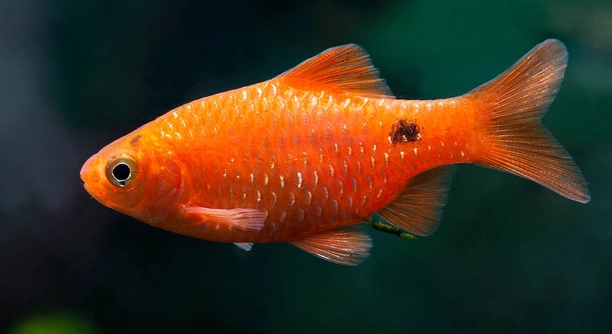
Rosy barbs are lively fish that bring color and movement to any aquarium. Keeping them active is important for their health and happiness. This article explores tools that can help improve their activity levels.
Enhancing Rosy Barb activity requires the right environment, diet, and stimulation. Tools such as proper tank equipment, varied foods, and interactive elements support their natural behavior and promote better overall health.
These tools will help you create a more engaging space for your rosy barbs and encourage them to stay active and healthy.
Proper Aquarium Setup
A well-maintained aquarium is essential for keeping rosy barbs active. They thrive best in tanks that are at least 20 gallons, giving them plenty of space to swim freely. Clean water is a must; regular water changes help maintain good water quality. Using a filter keeps the tank clean and oxygenated, which encourages movement and energy in the fish. Temperature also matters—rosy barbs prefer water between 74 and 79 degrees Fahrenheit. Adding live plants and decorations provides hiding spots and areas to explore, which can help reduce stress and keep their natural curiosity alive. Lighting should mimic their natural environment, not too bright but enough to simulate day and night cycles. When these conditions are met, rosy barbs are more likely to display their natural active behavior, swimming around confidently and interacting with their environment.
Keeping the tank clean and providing the right environment are key to promoting active behavior in rosy barbs.
Regularly checking water parameters and maintaining a balanced habitat will help your fish stay lively and healthy for a long time.
Nutritious and Varied Diet
A balanced diet is essential for rosy barb activity. Feeding them a mix of high-quality flakes, pellets, and occasional live or frozen foods gives them the nutrients they need. Protein from live foods like brine shrimp or bloodworms boosts energy and encourages active swimming. Including vegetable matter such as blanched spinach or peas supports digestion and overall health. Feeding small amounts multiple times a day prevents overfeeding and keeps the fish alert. Avoid feeding too much at once, which can lead to water quality problems and sluggish behavior. Supplements like spirulina can also be added to improve color and vitality. A varied diet not only meets their nutritional needs but also keeps feeding time interesting, which naturally encourages activity. Ensuring a proper diet will make a noticeable difference in how energetic your rosy barbs are throughout the day.
Interactive Tank Elements
Adding interactive elements like floating toys, mirrors, or gentle water currents can stimulate rosy barbs. These features encourage movement and play, helping prevent boredom.
Mirrors can be used for short periods to trigger the barbs’ natural territorial instincts, making them swim more actively. Floating plants or driftwood create interesting areas to explore, keeping the fish engaged. Gentle water flow mimics their natural river habitats and encourages swimming against the current. However, be careful not to create too strong a current, as it can stress the fish. Changing the tank layout occasionally also keeps the environment fresh and stimulating for them.
Regularly introducing new features in the tank can keep rosy barbs mentally and physically active, which improves their overall well-being.
Proper Lighting and Temperature
Correct lighting and stable temperature are essential for maintaining rosy barb activity. Lighting that matches natural day and night cycles helps regulate their behavior. Bright or inconsistent lighting can cause stress and reduce movement. Using a timer ensures a consistent schedule, which the fish will adapt to easily.
Maintaining water temperature between 74°F and 79°F keeps rosy barbs comfortable and energetic. Sudden temperature changes can cause lethargy or illness. Using a reliable heater and thermometer helps keep conditions stable. During warmer months, it’s important to monitor temperature closely and provide cooling if needed. Stable conditions encourage regular swimming patterns and keep rosy barbs active throughout the day.
Regular Tank Maintenance
Regular tank cleaning prevents buildup of harmful substances. This keeps water clear and healthy for rosy barbs.
Changing 20-25% of the water weekly helps maintain stable water conditions. Checking water parameters regularly is also important for their well-being.
Social Environment
Rosy barbs are social fish that do best in groups. Keeping at least six together encourages natural schooling behavior, which keeps them active. Isolated fish tend to be less lively and can show signs of stress. Group living stimulates interaction and movement, making the tank more dynamic.
Suitable Tank Size
A minimum of 20 gallons is recommended to provide enough space for movement and swimming.
Monitoring Fish Behavior
Paying attention to your rosy barbs’ behavior helps catch problems early. Changes in activity may indicate health or environmental issues that need addressing.
FAQ
How often should I clean my rosy barb tank?
Cleaning the tank weekly by changing about 20-25% of the water is usually enough. This keeps the water fresh without stressing the fish. It’s also important to clean the filter and remove any leftover food or waste. Keeping the tank clean helps prevent diseases and keeps your rosy barbs active and healthy.
What is the ideal group size for rosy barbs?
Rosy barbs are schooling fish and should be kept in groups of at least six. Smaller groups can cause stress and reduce activity. When kept in groups, they naturally swim together, which encourages movement and social interaction.
Can I keep rosy barbs with other fish?
Yes, but choose tank mates carefully. Rosy barbs are peaceful but active swimmers. Suitable companions include other medium-sized, non-aggressive fish like danios, tetras, or barbs. Avoid slow-moving or very small fish that might be stressed or eaten.
What type of food keeps rosy barbs active?
A varied diet works best. High-quality flakes or pellets provide daily nutrition, while live or frozen foods like brine shrimp, daphnia, or bloodworms add protein and encourage natural hunting behaviors. Adding some vegetable matter, such as blanched peas or spinach, supports digestion and overall health.
How important is tank decoration for rosy barbs?
Decorations like plants, rocks, and driftwood create hiding spots and exploration areas. These elements reduce stress and encourage natural behavior. Changing the layout occasionally can keep the fish interested and active. Just make sure decorations don’t overcrowd the tank.
What water parameters should I monitor?
Keep the water temperature between 74°F and 79°F. pH should be between 6.5 and 7.5, and ammonia and nitrite levels must be at zero. Regular testing ensures the water is safe and comfortable, which keeps your fish lively and healthy.
Can lighting affect rosy barb activity?
Yes, proper lighting mimics natural day and night cycles, helping regulate their behavior. Use a timer to maintain consistent light periods of around 10-12 hours daily. Avoid sudden changes or overly bright lights, as they can stress the fish and reduce activity.
What should I do if rosy barbs seem inactive?
First, check water quality and temperature. Poor conditions often cause lethargy. Ensure the diet is varied and fresh. Also, confirm that the tank size and group size are adequate. If the problem persists, watch for signs of illness and consider consulting a vet or fish expert.
Is feeding frequency important?
Yes, feeding small amounts two to three times daily keeps rosy barbs alert and active. Overfeeding can pollute the water and cause sluggish behavior, so remove any uneaten food after a few minutes.
How can I encourage shy rosy barbs to be more active?
Providing plenty of hiding spots can help shy fish feel safe. Adding gentle water currents or interactive tank elements can also stimulate movement. Sometimes simply allowing the fish to adjust to their environment takes time. Patience is key.
Final Thoughts
Keeping rosy barbs active is important for their health and happiness. These fish need the right environment, diet, and care to show their natural lively behavior. A well-maintained tank with clean water, proper temperature, and good lighting helps them stay energetic. It is also important to keep them in groups since rosy barbs are social fish that enjoy swimming together. When they feel safe and comfortable, their activity levels improve naturally.
Feeding rosy barbs a balanced diet plays a big role in keeping them active. Providing a mix of high-quality flakes, pellets, and occasional live or frozen foods gives them the nutrients they need. Adding some vegetables helps with digestion and overall health. Feeding small amounts multiple times a day prevents overfeeding and keeps their energy steady. Also, varying their diet makes feeding time more interesting, which encourages movement and natural behavior.
Using tools and features like live plants, decorations, gentle water currents, and interactive elements can make the tank environment more stimulating. These additions give rosy barbs places to explore and areas to hide, which reduces stress and boredom. Regular tank maintenance and monitoring water quality are key to keeping the fish healthy. Paying attention to their behavior helps catch problems early. When all these factors come together, rosy barbs stay active, colorful, and healthy, making the aquarium a pleasant and lively space.

Hello,
If you enjoy the content that we create, please consider saying a "Thank You!" by leaving a tip.
Every little bit helps us continue crafting quality advice that supports the health, happiness, and well-being of pets around the world, for pets of all shapes, sizes, and species.
We really appreciate the kindness and support that you show us!