
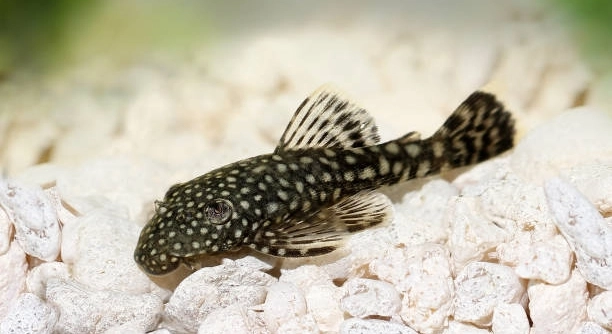
Are your plecos giving you extra work when it comes to tank care and daily maintenance? You’re not alone in wanting things to be simpler.
Using the right tools can significantly reduce the time and effort needed to care for plecos. Proper equipment helps maintain water quality, manage algae buildup, and simplify feeding routines, creating a more stable and stress-free environment for your fish.
Each tool listed ahead plays a unique role in improving your pleco care routine, making your tasks easier and more efficient.
Gravel Vacuum with Adjustable Flow
Gravel vacuums are one of the most helpful tools for keeping a pleco tank clean. Plecos produce a lot of waste, and a vacuum helps remove debris from the substrate without disturbing the tank too much. A model with adjustable flow is especially useful in tanks with sensitive plants or smaller fish, allowing you to clean thoroughly without stirring everything up. It also prevents clogging and makes routine water changes much easier. Using this tool regularly helps you maintain better water parameters, which directly supports your pleco’s health. You don’t need to remove your fish or decorations—just move slowly and work around them. If you use it weekly, you’ll notice clearer water and healthier fish.
This kind of vacuum takes the pressure off your filters, helping them last longer between cleanings.
An adjustable gravel vacuum is ideal for targeting waste buildup while allowing more control during water changes, especially in heavily stocked aquariums.
Algae Scraper with Extendable Handle
Algae growth is common in pleco tanks. While plecos do eat algae, they can’t reach every surface.
Using an algae scraper with an extendable handle gives you easy access to the glass, rocks, and decorations without having to get your arms wet. It’s especially helpful for deep tanks or when dealing with stubborn algae spots that build up over time. Scraping regularly not only keeps the tank looking clear but also helps you monitor glass and surface condition. A clean viewing panel also helps you better observe your pleco’s behavior and overall condition. Many scrapers have replaceable blades or textured pads that work well on different surfaces, including acrylic. For safety, use a scraper designed for aquariums to avoid scratches. Keep it stored dry between uses to prevent rust or mildew. It’s a simple tool, but it makes a noticeable difference in the look and cleanliness of your tank.
Sponge Filter with Air Control Valve
Sponge filters are gentle yet effective, making them ideal for pleco tanks. They provide mechanical and biological filtration without creating strong currents that may stress your plecos.
This filter keeps the tank oxygenated and clear without risking small plecos getting sucked in. The air control valve lets you adjust the flow, making it easy to match the needs of different tank setups. It’s simple to clean—just squeeze it in old tank water during water changes. This helps preserve beneficial bacteria and maintain stability. Sponge filters are quiet, affordable, and easy to set up, which makes them practical for both beginners and experienced fish keepers. They’re especially good in breeding or fry tanks where gentle filtration is essential. Using one as a secondary filter in larger tanks can also support better water quality. It’s a reliable tool that doesn’t require much maintenance and adds consistent support to your filtration system.
Plecos benefit from low-flow filtration that supports oxygen levels and minimizes stress. A sponge filter keeps waste under control and water movement gentle, which helps mimic their natural environment. It also works well with air pumps that provide extra oxygenation, something plecos appreciate. Keep it running continuously for consistent results.
Feeding Dish for Sinking Foods
A feeding dish keeps the food in one place, helping reduce waste and tank mess. Plecos are bottom feeders, and this setup makes their meals easier to monitor and clean up.
Using a dish for sinking wafers or vegetables keeps the food from scattering into the substrate, where it can rot and foul the water. It helps you monitor how much your pleco eats and whether the food is being left behind. Uneaten food is easier to remove from a dish than from gravel or sand. Dishes are usually made from ceramic or glass, which are safe and easy to clean. They’re especially helpful in tanks with other bottom feeders or scavengers that compete for food. Placing food in a dedicated spot also encourages your pleco to return to the same place, making feeding time more predictable. This tool supports healthier feeding habits and reduces tank maintenance.
Driftwood or Cholla Wood
Driftwood supports pleco health by offering both a food source and a natural hiding spot. Many plecos need wood in their diet to help with digestion, especially species like the common and bristlenose plecos.
Cholla wood is also a great choice for smaller plecos. It softens in water and breaks down slowly, releasing beneficial tannins that improve water quality and lower stress. Both types of wood also provide shelter, helping your pleco feel safe and secure.
LED Tank Light with Timer
A reliable LED light with a built-in timer helps maintain a consistent day-night cycle for your pleco. Since plecos are mostly nocturnal, predictable lighting reduces stress and encourages healthy behavior. A dimmable option can help simulate dusk or dawn, giving your fish time to adjust. Timers also remove the need to turn lights on or off manually, preventing long hours of bright light that can cause algae growth. Choose a light suitable for your tank size, and avoid those that overheat. This simple upgrade makes your setup more stable and helps both fish and plants thrive with minimal effort.
Magnetic Glass Cleaner
A magnetic cleaner removes algae from tank walls without getting your hands wet. It’s quick to use and works well for regular maintenance. Just slide it across the glass, and algae buildup comes off with minimal effort.
FAQ
How often should I clean my pleco tank?
Regular tank maintenance is crucial for keeping your plecos healthy. It’s recommended to clean the tank every 1-2 weeks, depending on the size of your tank, the number of plecos, and the overall bio-load. Cleaning includes doing partial water changes, vacuuming the substrate, and scrubbing any algae buildup. The frequency can vary; for larger tanks, you might get away with cleaning every other week, while smaller tanks may need more frequent attention. Regular cleaning ensures better water quality, reduces harmful toxins, and keeps your plecos happy.
What should I feed my pleco?
Plecos are primarily herbivores but need a balanced diet to thrive. They enjoy sinking algae wafers, fresh vegetables like zucchini, cucumber, and spinach, and sometimes protein-rich foods such as bloodworms or brine shrimp. Offering a variety of food options ensures they get the necessary nutrients. You can also supplement with driftwood or cholla wood, which helps with digestion and provides additional nutrients. Be cautious not to overfeed, as uneaten food can cause water quality issues. Clean the tank regularly to prevent food waste from affecting the environment.
Are plecos good tank mates?
Plecos are peaceful fish, but their tank mates should be selected carefully. They do well with other peaceful species like tetras, gouramis, and catfish. Avoid aggressive or territorial fish, as plecos can get stressed. Some plecos can grow large, so it’s essential to ensure there’s enough space for them to move around comfortably. It’s best to introduce plecos into a tank where other fish have already established territories to prevent conflicts. Additionally, plecos are bottom dwellers, so tank mates that swim at different levels will help reduce competition for space.
How do I know if my pleco is stressed?
Stress in plecos can be caused by poor water quality, overcrowding, aggressive tank mates, or insufficient hiding spaces. Signs of stress include unusual behavior like staying hidden all the time, reduced activity, or hiding in corners. Their color may also become dull, or they may stop eating altogether. It’s essential to monitor your pleco’s behavior regularly. If you notice stress signs, check water parameters like pH, ammonia, and nitrate levels. Also, ensure there are enough hiding places and that tank mates are not bothering your pleco.
What water conditions do plecos need?
Plecos are adaptable but still require specific water conditions to thrive. Generally, they prefer slightly acidic to neutral water (pH 6.5-7.5) and a temperature range of 72-78°F (22-26°C). Regularly test the water for ammonia, nitrite, and nitrate levels to ensure a healthy environment. High levels of ammonia or nitrites can be harmful to plecos and other fish. Regular water changes are essential to maintain good water quality, as plecos produce a lot of waste. Be sure to adjust water conditions based on the specific pleco species in your tank.
How can I prevent algae overgrowth in my tank?
Algae growth is common in aquariums, especially in tanks with plecos since they feed on algae. However, too much algae can still be an issue. To prevent overgrowth, control light exposure by limiting the number of hours your aquarium light is on each day. Make sure your tank isn’t exposed to direct sunlight, as it can promote algae growth. Regular cleaning with an algae scraper or magnetic cleaner helps keep algae in check. Additionally, use plants or a good filtration system to absorb excess nutrients, which algae thrive on.
Can plecos live with other types of bottom feeders?
Plecos generally do well with other bottom dwellers like Corydoras catfish or loaches, as long as there’s enough space and hiding places. Since plecos are bottom feeders, overcrowding or competition for food can stress them. Ensure each fish has enough room to establish its own territory. Keep in mind that some pleco species can grow quite large, so it’s important to have a tank that can accommodate the space requirements of all bottom feeders in your setup. Monitor the behavior of all the fish to make sure no one is being overly territorial.
How big do plecos get?
Plecos come in a variety of sizes depending on the species. Some species, like the bristlenose pleco, stay relatively small, reaching up to 5-6 inches (12-15 cm). However, others, such as the common pleco, can grow much larger, reaching up to 24 inches (60 cm) or more. Before purchasing a pleco, research the specific species you plan to keep to ensure your tank is large enough for its potential size. Larger plecos need tanks of 75 gallons or more to accommodate their size and waste production.
How do I encourage my pleco to eat vegetables?
Plecos need a varied diet, and vegetables like zucchini, cucumber, and spinach are an excellent source of fiber. However, getting them to eat these foods can sometimes take time. One way to encourage vegetable consumption is to blanch the veggies first by briefly boiling them to soften them, making them easier for your pleco to eat. You can also try using veggie clips to secure the vegetables to the side of the tank. Offer a variety of vegetables to see which ones your pleco prefers. Avoid overfeeding algae wafers, as this may discourage them from eating fresh produce.
Do plecos need a lot of hiding spaces?
Yes, plecos appreciate having places to hide, especially if they feel threatened or stressed. Providing caves, rocks, or driftwood gives them a safe place to retreat to when they need to rest or seek shelter. Plecos are nocturnal, so they may spend a lot of their time hiding during the day and becoming more active at night. Make sure your tank has enough hiding spots to allow your pleco to feel secure, and be mindful of the size of your pleco as it grows. Larger plecos may require bigger hiding spots.
Final Thoughts
Taking care of a pleco involves more than just feeding it. Creating a healthy environment is essential to its well-being. Plecos need clean water, stable water parameters, and space to thrive. Regular tank maintenance, including water changes and substrate cleaning, will help maintain a healthy living space. Having the right equipment, such as a good filtration system and a proper light cycle, plays a big role in keeping the tank stable and minimizing stress for your pleco. Consistency in the environment allows your pleco to grow and stay healthy without unnecessary risks.
Feeding your pleco a balanced diet is also important. While they do eat algae, it’s crucial to provide them with a variety of foods, including fresh vegetables and sinking pellets. They need fiber for digestion, and vegetables like zucchini, cucumber, and spinach can offer that. Depending on the species of pleco, they may also enjoy occasional protein sources, such as brine shrimp. Avoid overfeeding, as leftover food can lead to poor water quality. Proper nutrition ensures that your pleco remains healthy and can carry out its natural behaviors in the tank.
Finally, consider the size and needs of your pleco when choosing tank mates and setting up your aquarium. Plecos can grow quite large, and it’s important to make sure your tank has enough space to accommodate them. They are peaceful fish but can become stressed if overcrowded or if there aren’t enough hiding spots. Providing adequate filtration, enough hiding places, and careful monitoring of water conditions will go a long way in keeping your pleco happy. With the right care and attention, your pleco can live a long and healthy life.

Hello,
If you enjoy the content that we create, please consider saying a "Thank You!" by leaving a tip.
Every little bit helps us continue crafting quality advice that supports the health, happiness, and well-being of pets around the world, for pets of all shapes, sizes, and species.
We really appreciate the kindness and support that you show us!