
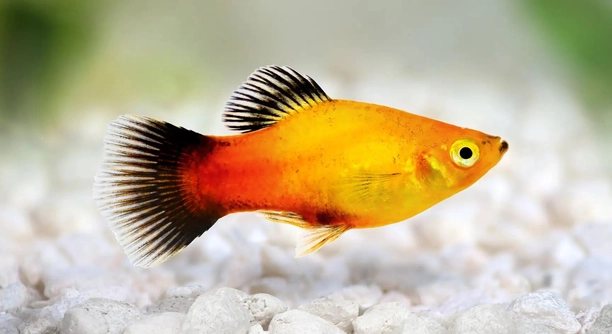
Do your platies seem a little harder to care for than you expected, even though they’re known for being low-maintenance fish?
The most effective way to make platy care easier is by using the right tools. These tools help with water quality, feeding, and overall tank maintenance, reducing stress for both the fish and the owner.
From automatic feeders to water testing kits, these items can take some of the guesswork out of caring for your platies and help you build a more stable, healthy aquarium.
Gravel Vacuum
A gravel vacuum helps remove uneaten food, fish waste, and other debris that sink to the bottom of your tank. Platies produce waste like any other fish, and if it builds up, it can affect water quality and lead to health problems. This tool lets you clean the substrate during water changes without disturbing the fish too much. It’s easy to use—just siphon water from the tank while the vacuum picks up debris from the gravel. Doing this weekly or biweekly keeps ammonia and nitrate levels low. Cleaner water helps your platies stay active, healthy, and stress-free.
Using a gravel vacuum also makes your tank look better. You’ll notice clearer water and a more pleasant view overall.
Some versions attach directly to your faucet, which makes water changes easier and faster. Others are manual but still very effective. Either way, it’s a simple tool that can make your tank easier to care for in the long run.
Water Conditioner
This product neutralizes chlorine, chloramines, and heavy metals in tap water so it’s safe for your platies. Without it, untreated tap water can damage gills and stress your fish.
Not all water conditioners are the same, though. Some include additives that support the slime coat on your fish, while others focus strictly on neutralizing chemicals. If your platies seem stressed after a water change, you may need a more complete conditioner. You only need a small amount each time, so one bottle can last a while. Always check the label for dosage instructions. It’s a small step that makes a big difference. Safe water helps reduce illness and keeps your fish active and colorful. If you’re using a gravel vacuum, be sure to add conditioner after removing the old water and before adding in the fresh. A reliable water conditioner is something no fish tank should go without.
Aquarium Heater
Platies are tropical fish and need warm, stable temperatures to stay healthy. A reliable aquarium heater helps maintain a consistent range between 72°F and 78°F, which supports their immune system and keeps their metabolism steady.
When temperatures drop too low, platies may become sluggish or more prone to illness. Sudden fluctuations can stress them and cause long-term health issues. A heater with a built-in thermostat makes things easier—you just set the temperature, and it adjusts automatically. Make sure the heater suits your tank size, and always monitor the water with a separate thermometer. Some models also include a safety shut-off if the water level gets too low. Having this kind of tool takes away the stress of manually checking and adjusting the temperature every day, which gives you more time to enjoy your fish.
Using a heater also helps when seasons change. Indoor temperatures can shift without warning, especially in colder months. With a heater, you won’t have to worry about surprise cold snaps. This tool creates a more stable and comfortable environment for your platies, helping them stay more active and live longer. Even in warmer climates, sudden dips in temperature can happen, so it’s better to be prepared than take risks.
Sponge Filter
Sponge filters are gentle on small fish like platies and provide both mechanical and biological filtration. They’re powered by an air pump and don’t produce strong currents, which makes them a great option for tanks with fry or other sensitive fish.
Besides keeping the water clean, sponge filters support the growth of beneficial bacteria. These bacteria help break down waste, keeping ammonia and nitrite levels low. The soft surface of the sponge is perfect for bacteria to grow on, and it also makes it easy to clean. Just rinse the sponge in tank water during water changes—never in tap water, since that could kill the bacteria. They’re inexpensive and easy to set up, which makes them perfect for beginners or anyone looking for a low-maintenance option. Their simple design keeps the water healthy without disturbing the fish, and the gentle bubbles even add some extra oxygen to the tank.
Automatic Feeder
An automatic feeder makes feeding easier when you’re busy or away. It dispenses a set amount of food at scheduled times, helping prevent overfeeding and keeping a consistent routine for your platies.
You can use it with flakes or pellets, and many models let you adjust portion size.
Water Test Strips
Water test strips help you track ammonia, nitrite, nitrate, pH, and hardness levels. Testing weekly helps catch problems early and keeps the tank stable. Healthy water means your platies stay active and less likely to get sick. Strips are quicker and easier to use than liquid test kits.
Floating Breeder Box
A floating breeder box is useful if your platy gives birth and you want to protect the fry. It separates them from adult fish without needing another tank. Some boxes have a divider to keep the fry safe until they’re big enough to join the main tank.
FAQ
How often should I clean my platy tank?
You should clean your platy tank once a week. This includes removing about 25–30% of the water and vacuuming the gravel. Doing this helps keep ammonia and nitrate levels low, which reduces stress on your fish. You don’t need to remove your fish during cleaning—just work carefully around them. Clean the filter monthly, unless it looks clogged sooner. Avoid over-cleaning or using harsh chemicals, as this can remove helpful bacteria from the tank. Rinse decorations and equipment in used tank water if needed, but avoid washing everything at once. Keeping up with regular maintenance keeps your tank stable and your platies healthier.
Do platies need a filter if I’m using a sponge filter?
Yes, a sponge filter is a type of filter, and for many platy tanks, it’s all you need. It offers both mechanical and biological filtration, which helps keep the water clean and safe. The sponge traps debris while providing a surface for helpful bacteria that break down fish waste. Since platies don’t like strong currents, sponge filters are a gentle, effective option. However, in larger tanks or tanks with many fish, some people use a sponge filter alongside a hang-on-back or internal filter to increase water movement and filtration. For small setups, a single sponge filter is usually enough.
Can I use tap water for my platies?
Yes, you can use tap water, but you must treat it with a water conditioner first. Tap water contains chlorine and sometimes chloramine, both of which are harmful to fish. A water conditioner neutralizes these chemicals and makes the water safe for your platies. After treating, let the water reach the same temperature as the tank before adding it in. If your tap water is hard or has unusual pH levels, it’s a good idea to test it first. In some cases, you may need to adjust the water’s properties depending on your local supply.
Do platies need a heater in warm climates?
Even in warm climates, a heater is recommended. Room temperatures can fluctuate more than you might think, especially at night or during storms. Platies need stable temperatures between 72°F and 78°F. A heater helps prevent sudden drops that could stress your fish or make them sick. It’s better to have a heater and let the thermostat regulate the warmth than to risk temperature swings. If your home is consistently warm and stable, you might not need it all the time, but it’s still helpful to keep one on hand for colder days or seasonal changes.
How many platies should I keep together?
Platies are social fish and do best in groups. Aim for at least three, but five or more is better. Just make sure your tank is large enough—10 gallons for a small group is the minimum. They are peaceful and usually get along well with each other. Keep in mind that platies breed easily, so a group with both males and females will likely produce fry. To avoid overpopulation, consider keeping only males or having a plan for the babies. Watching them interact and swim together is part of what makes platies enjoyable to keep.
How can I stop platies from breeding too much?
To control breeding, either separate the sexes or keep only males. If you have both males and females, they will breed often. Females can store sperm and have multiple batches of fry from a single mating. Removing the fry early, giving them away, or adding natural predators (like certain peaceful larger fish) can help manage the population. Floating breeder boxes can protect or isolate fry, depending on your goal. Some people choose to leave the fry in the main tank where only a few may survive. Controlling feeding and limiting hiding spaces can also reduce survival rates.
Final Thoughts
Caring for platies is simple once you have the right tools. These small fish are peaceful, active, and easy to manage, which makes them a good choice for beginners and experienced fish keepers alike. Still, they need a clean and stable environment to stay healthy and thrive. Basic tools like a gravel vacuum, sponge filter, and heater help you create that environment without much effort. Items like a water conditioner and automatic feeder add even more convenience, especially if you have a busy schedule or travel often. Each tool may seem small on its own, but together, they can make a big difference in how easy it is to care for your fish.
When your tank is well-maintained, your platies will show bright colors, stay active, and live longer. Water changes become quicker when you use the right equipment. Feeding becomes more consistent with the help of an automatic feeder. And with a reliable water test kit, you don’t have to guess if the water is safe. These tools also help prevent common issues like fin rot, stress, or sudden fish loss. Simple habits like testing the water once a week or cleaning the sponge filter monthly go a long way in supporting your tank’s balance. The less time you spend fixing problems, the more time you get to enjoy your aquarium.
Having a few key tools ready doesn’t just help your fish—it helps you enjoy the hobby more. There’s no need for high-end gadgets or expensive equipment. What matters most is consistency, attention, and the right supplies. Over time, you’ll get to know your platies’ behavior and what they need. With a calm and stable setup, they will reward you with their easygoing nature and playful swimming. Whether you’re new to fishkeeping or just looking to make things easier, these tools can reduce stress and improve the overall health of your tank. Caring for platies shouldn’t feel like a chore. With the right support, it can be a simple and relaxing part of your day.

Hello,
If you enjoy the content that we create, please consider saying a "Thank You!" by leaving a tip.
Every little bit helps us continue crafting quality advice that supports the health, happiness, and well-being of pets around the world, for pets of all shapes, sizes, and species.
We really appreciate the kindness and support that you show us!