
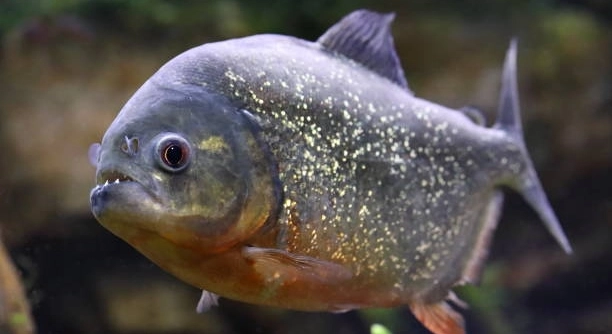
Have you ever found yourself trying to observe piranhas, only to struggle with murky water, poor lighting, or limited visibility in your tank setup?
Using the right tools can significantly improve piranha observation by enhancing visibility, reducing stress in the fish, and ensuring more accurate behavior tracking. These tools offer a safer and more efficient way to study these fascinating creatures.
From smart lighting to specialized viewing panels, these tools can help you see your piranhas more clearly and understand their daily behavior more easily.
Underwater Cameras with Night Vision
Underwater cameras with night vision allow for clearer observation during low-light hours, which is when piranhas are often more active. These cameras can be placed inside or outside the tank, offering live feeds or recordings for detailed viewing. Look for cameras that offer HD resolution, infrared capabilities, and adjustable angles. Night vision technology helps prevent unnecessary lighting in the tank, reducing stress for the fish. Consistent footage also supports behavior analysis over time, making it easier to spot patterns or changes. With minimal disruption to the environment, these cameras provide both convenience and accuracy in monitoring your piranhas daily.
Night vision cameras can help you spot details you would miss otherwise, especially if your piranhas tend to be shy or less active during the day.
Reliable footage means you can study your fish without crowding the tank or causing stress. It also offers peace of mind if you’re away and want to check in remotely. Some models connect to apps, which lets you stay updated from your phone. Over time, this tech helps you build a clearer understanding of your piranhas’ behavior without needing to stand in front of the tank for hours. It’s a quiet but powerful way to stay connected to their daily routines.
Smart LED Lighting Systems
Smart LED lights can be programmed to mimic natural daylight cycles, which helps reduce stress for piranhas. They also improve visibility, letting you observe fish behavior more clearly and accurately.
Using programmable lighting systems can create a more comfortable and predictable environment for your piranhas. Gradual changes in brightness simulate sunrise and sunset, which may encourage more natural behavior. These lights often come with different color settings, so you can find what works best for viewing without overwhelming your fish. Some smart systems even allow remote control through a phone app. This lets you adjust lighting if you’re not home or want to switch settings easily. LED systems are also energy-efficient and last longer than traditional bulbs. When used well, they provide a stable atmosphere that supports both fish health and better observation. Whether you’re watching feeding times or nighttime activity, smart lighting helps make it clearer and easier.
Polarized Viewing Panels
Polarized viewing panels reduce glare and reflections, making it easier to see your piranhas clearly through the glass. They work well in rooms with natural light or multiple light sources that usually interfere with visibility.
These panels are placed over the tank or built into the design itself. By cutting down on surface glare, they give you a clearer view of the fish inside without adjusting your room’s lighting. This is especially helpful if your tank is near windows or under bright overhead lights. Polarized panels don’t affect the fish and require no power source or maintenance. They’re also useful for photography or video recording, allowing better image quality with fewer reflections. Watching your piranhas becomes more relaxing when you’re not constantly adjusting your position to see around glares.
The panels also reduce eye strain. If you spend long periods observing behavior or checking for signs of stress or illness, it’s easier on your eyes. Combined with a clean tank and proper lighting, polarized panels help reveal subtle movements and interactions that are easy to miss. This can make daily monitoring more rewarding and help you understand how your fish react to changes in feeding, lighting, or the addition of new tank mates.
Adjustable Tank Stands
An adjustable tank stand allows you to raise or lower the tank to eye level, making observation more comfortable. You won’t need to crouch, stand on tiptoes, or bend down during long observation sessions.
These stands often come with locking wheels or stable bases for safety. Some models let you adjust height with a crank or lever, which is handy if multiple people of different heights are using the tank. Having the tank at the right height not only improves visibility but also encourages more frequent checks. It’s easier to notice small changes in fish behavior or the condition of the tank when the view is natural and clear. Over time, this ease of access helps you keep the environment more stable and better suited to your piranhas’ needs. If you’re keeping logs or comparing notes, the convenience of a proper viewing angle matters.
The tank being at eye level also helps when feeding or cleaning. You’re more likely to spot leftover food, unusual waste, or subtle signs of illness when you’re not straining your neck or back. This setup supports both daily care and long-term observation. A stable, adjustable stand is especially useful if the tank is large or heavy, offering the support you need while improving your overall interaction with the aquarium.
Motion-Activated Feeders
Motion-activated feeders help you observe how your piranhas respond to food without needing to be near the tank. These devices release food when movement is detected, triggering natural feeding behavior.
Using these feeders also reduces stress for the fish by keeping your hands out of the tank. It keeps things consistent.
Observation Logs and Tracking Apps
Keeping a log or using a tracking app helps you notice patterns in your piranhas’ behavior. Apps can record feeding times, aggression levels, water changes, and tank conditions. Written notes work too. This kind of tracking builds a clearer picture over time. When something changes, you’ll have a history to compare it with. It’s easier to catch early signs of illness or stress when you know what’s normal. Some apps even let you attach photos or videos, making it simple to document physical changes. You don’t need anything fancy—just a regular habit of recording your observations helps improve care.
High-Quality Thermometers
Accurate thermometers help you keep your piranhas’ water temperature stable. Sudden changes can stress them out or make them sick. Choose a digital one for easy reading.
FAQ
What is the best lighting to use for observing piranhas?
The best lighting for observing piranhas is one that mimics natural light without stressing the fish. Smart LED lighting systems with adjustable brightness and color temperature work well. These lights can simulate sunrise and sunset, helping maintain a natural day-night cycle. Avoid harsh, direct lighting, which can cause stress and hide natural behavior. Soft, indirect light improves visibility without disturbing the fish’s comfort. Using programmable lights allows you to observe piranhas at different times without needing to change the room setup constantly.
How can I reduce reflections when watching my piranhas?
Reflections are a common problem when viewing aquarium fish. Using polarized viewing panels reduces glare and surface reflections effectively. Positioning the tank away from windows or strong light sources also helps. Dimming room lights or using a dark background behind the tank can improve visibility. Keeping the glass clean on both inside and outside reduces blurry reflections and helps you see your fish clearly.
Are underwater cameras safe for piranhas?
Yes, underwater cameras designed for aquarium use are safe for piranhas when installed correctly. Choose waterproof models with no sharp edges and ensure cables do not interfere with the fish’s swimming space. Night vision cameras help observe piranhas without turning on bright lights, reducing stress. These cameras let you record behavior over time, offering insights without disturbing the tank environment.
How often should I check my observation logs?
Daily checks of your observation logs or tracking apps work best for maintaining an accurate picture of your piranhas’ health and behavior. Recording feeding habits, water quality, and activity levels every day helps catch small changes early. Consistent logging makes it easier to notice patterns, such as aggression or illness. Even if you don’t write detailed notes every day, quick daily updates improve long-term monitoring.
Can motion-activated feeders help with behavior observation?
Motion-activated feeders are useful because they trigger feeding without your presence. This helps reduce stress caused by human activity near the tank. The feeders release food only when fish swim nearby, encouraging natural feeding behavior. This makes it easier to observe how your piranhas interact with their environment and with each other during feeding times without your interference.
Why is an adjustable tank stand important?
An adjustable tank stand improves comfort and visibility by letting you position the aquarium at eye level. This reduces neck or back strain when observing your piranhas for long periods. It also encourages more frequent checks, since the tank is easier to access and watch closely. Being able to raise or lower the tank makes cleaning, feeding, and maintenance easier, improving overall care.
How do I know if my tank’s temperature is suitable for piranhas?
Piranhas thrive in water temperatures between 74°F and 82°F (23°C to 28°C). Use a high-quality digital thermometer to monitor temperature accurately. Sudden fluctuations can cause stress or illness, so check the temperature regularly. If it goes out of range, adjust your heater or cooling system as needed. Stable temperature supports healthy fish behavior and reduces the risk of disease.
Can I use regular cameras instead of underwater ones?
Regular cameras can capture some views of your tank but are limited by reflections and lighting. Underwater cameras provide clearer footage because they are placed inside the tank or designed specifically for aquarium use. They reduce glare and capture fish movements more naturally. If you want detailed recordings or live monitoring, underwater cameras are more effective and easier to use.
How do observation tools help reduce stress in piranhas?
Many observation tools minimize the need to interact with or disturb the tank directly. For example, underwater cameras let you watch without opening the tank, and motion-activated feeders provide food without your hands entering. Proper lighting reduces sudden changes that stress fish. These tools create a stable environment where piranhas feel secure, leading to healthier behavior and easier observation.
Are there apps specifically designed for aquarium observation?
Yes, several apps exist to help fish keepers track tank conditions, feeding schedules, and fish behavior. These apps allow you to record water parameters, take photos, and log daily observations. They can send reminders for water changes or feeding, helping you keep consistent care. Even simple note-taking apps work well if you stay disciplined. Using an app helps organize information and makes it easier to notice trends or problems early.
What should I do if I notice abnormal behavior in my piranhas?
If you see signs like lethargy, loss of appetite, unusual aggression, or physical changes, check water quality and temperature immediately. Use your observation logs to compare current behavior with past records. Consider quarantining sick fish if possible. Research symptoms carefully or consult a veterinarian familiar with aquarium fish. Early detection and action improve chances of recovery and help protect the whole tank.
How often should I clean or replace polarized viewing panels?
Cleaning polarized viewing panels regularly keeps them free of dust, smudges, and water spots, which can reduce clarity. Use a soft, lint-free cloth with a gentle cleaner safe for acrylic or glass. Panels do not usually need replacement unless scratched or damaged. Proper care maintains their effectiveness in reducing glare and improving visibility over time.
Can smart LED lighting systems affect piranha behavior?
Yes, lighting affects fish behavior. Smart LED systems that simulate natural light cycles promote normal activity patterns and reduce stress. Sudden or very bright lights can frighten piranhas and cause hiding or aggression. Using programmable lighting helps create a stable environment that supports feeding, resting, and social behaviors typical for piranhas.
Is it worth investing in a motion-activated feeder for a small tank?
Motion-activated feeders can be useful even in smaller tanks if you want to minimize disturbances during feeding. They provide food only when fish are active, which can prevent overfeeding and water quality problems. However, for very small tanks or single fish, simple manual feeding may be enough. Consider your routine and how often you can check the tank when deciding if this tool fits your needs.
What maintenance do underwater cameras require?
Underwater cameras generally need minimal maintenance. Regular cleaning of the lens and casing prevents algae buildup and ensures clear images. Check seals and cables periodically for damage to avoid leaks or electrical issues. Some cameras may require battery changes or software updates depending on the model. Proper care extends camera life and keeps footage sharp.
Observing piranhas well requires the right tools and a little patience. Using devices like underwater cameras, smart lighting, and polarized panels can make a big difference in how clearly you see these fish. These tools help reduce stress for the piranhas by keeping their environment stable and calm. When fish feel safe, their natural behaviors come out more easily, which makes watching them more rewarding. Proper observation also supports better care because you can spot problems early before they become serious.
It is important to remember that no single tool will solve every challenge. Combining a few methods often works best. For example, using smart LED lights along with a polarized viewing panel can improve visibility without disturbing the fish. Motion-activated feeders add convenience and reduce your direct interference during feeding times. Observation logs or tracking apps help you notice subtle changes over time, giving you a clearer picture of your piranhas’ health and habits. Each of these tools adds value, but their true benefit comes from using them consistently and thoughtfully.
Taking the time to set up and maintain these observation tools is a worthwhile investment. It helps you enjoy watching your piranhas without stress or guesswork. Keeping a stable environment and monitoring behavior regularly supports the long-term health of your fish. With patience and the right tools, observing piranhas becomes a peaceful and informative part of caring for them. This approach leads to a better understanding of their needs and more confidence in providing a safe, comfortable home for your aquatic pets.

Hello,
If you enjoy the content that we create, please consider saying a "Thank You!" by leaving a tip.
Every little bit helps us continue crafting quality advice that supports the health, happiness, and well-being of pets around the world, for pets of all shapes, sizes, and species.
We really appreciate the kindness and support that you show us!