
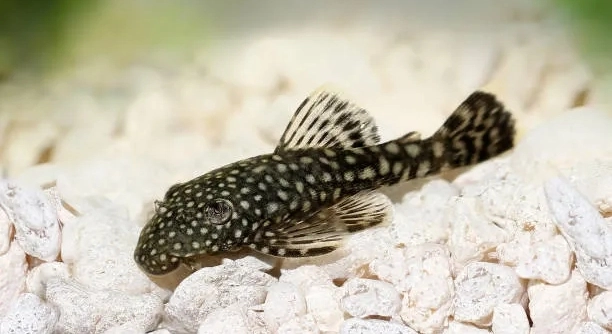
Are your plecos spending most of their time hiding or looking stressed despite your efforts to care for them properly?
Proper care for plecos requires a few essential tools that support their health, comfort, and tank environment. These tools help maintain water quality, encourage natural behavior, and ensure their dietary needs are consistently met.
Each item on this list can improve your pleco’s well-being and make aquarium care easier and more effective over time.
Gravel Vacuum
A gravel vacuum helps keep your pleco’s tank clean by removing debris, leftover food, and waste that settles at the bottom. This tool is especially useful since plecos are messy eaters and can produce a lot of waste. A dirty substrate leads to poor water quality, which directly affects your pleco’s health. Using a gravel vacuum regularly prevents the buildup of harmful substances like ammonia and nitrites. It also reduces the frequency of full tank cleanings, making maintenance easier. Choose a vacuum with adjustable flow, especially if your tank has delicate plants or fine substrate. Even just a weekly clean-up with a vacuum helps a lot.
A quick clean with a gravel vacuum can improve your tank’s appearance and reduce stress on your pleco. It helps maintain better water conditions and creates a more stable environment overall.
Avoid stirring the entire substrate in one go. Clean half at a time to preserve beneficial bacteria colonies in the gravel. These bacteria help maintain the nitrogen cycle, which is essential for tank stability. Too much cleaning at once can actually cause a spike in ammonia. Focus on high-waste zones under decorations or where your pleco rests. Take your time during each session to avoid stressing your fish with sudden water changes or strong suction.
Driftwood
Driftwood serves more than a decorative purpose in a pleco tank. It’s a functional item that helps plecos feel secure and comfortable.
Some plecos, especially wood-eating species like the Bristlenose or Royal Pleco, actually digest small amounts of wood as part of their natural diet. Even species that don’t eat wood still benefit from having driftwood as it mimics their natural environment. It offers shaded areas, which reduce stress, and provides places to hide during the day. Driftwood also promotes natural behavior like grazing and territory claiming. Another benefit is that it can slightly soften the water and lower the pH, depending on the wood type, which suits many pleco species. When choosing driftwood, avoid sharp edges and always boil or soak it before adding it to your tank. This helps remove excess tannins and kills parasites or pests that may harm your fish. Regular monitoring is still important, especially if the wood starts to break down over time.
Sponge Filter
A sponge filter provides gentle filtration, making it ideal for plecos that dislike strong currents. It supports biological filtration while keeping water movement soft, which helps reduce stress in bottom-dwelling fish like plecos. It’s also safe for fry and doesn’t suck in debris harshly.
Unlike power filters, sponge filters don’t create strong suction that might disturb your pleco’s feeding or resting areas. They work by drawing water through a porous sponge, allowing beneficial bacteria to grow and clean the water. This type of filter is easy to maintain and only needs occasional rinsing in tank water. Its design also adds oxygen to the tank through surface agitation, which is beneficial in heavily stocked aquariums. Since plecos produce a lot of waste, combining a sponge filter with another filtration system can improve water clarity without stressing your fish. Use a reliable air pump to keep the sponge filter running consistently.
Cleaning a sponge filter is simple. Just squeeze it in a bucket of tank water every few weeks to remove buildup without killing off the helpful bacteria. Avoid using tap water for cleaning, as chlorine will destroy the beneficial bacteria colonies. Regular maintenance keeps the sponge working well, and its surface can also trap small particles floating in the water.
Algae Scraper
Algae scrapers help keep tank walls clean without disturbing your pleco or damaging the glass. While plecos do eat algae, they can’t always handle the full amount that grows in a tank.
A good algae scraper makes it easier to remove the layers of algae your pleco can’t reach. Even though they’re natural algae eaters, plecos won’t usually clean every surface, especially high or vertical areas. Manual scrapers come in different forms—magnetic, handheld, or blade-based—so pick what suits your tank size and glass type. Magnetic scrapers let you clean without getting your hands wet, while blade scrapers help with tougher growth. Always check that your scraper doesn’t trap gravel or sand, as this can scratch the tank walls. Clean your scraper after use to avoid spreading algae spores. Including this simple tool in your routine helps keep the aquarium looking better and ensures more consistent light flow inside the tank.
Heater
Plecos need stable temperatures to stay healthy, especially tropical species that require warm water. A reliable heater keeps the temperature from dropping too low during colder months or at night, which helps prevent stress and illness.
Choose a heater with a built-in thermostat for better control. Position it near the filter to distribute heat evenly throughout the tank.
Hiding Caves
Plecos are nocturnal and need places to hide during the day. Providing dedicated hiding spots helps reduce stress and makes them feel secure.
Caves or tunnels offer a private space where plecos can rest, especially after feeding or during daylight hours. These spots are also important when plecos are breeding or simply trying to avoid tankmates. You can use ceramic, resin, or rock-based caves, but make sure all materials are aquarium-safe and smooth to avoid injury. Having more than one cave ensures your pleco has options, especially in community tanks where space may be shared. These structures also reduce territorial aggression by giving each fish its own space. Rotate or rearrange caves occasionally to stimulate natural exploration behavior and keep the tank engaging.
Algae Wafers
Algae wafers give plecos a steady food source, especially in tanks with low algae levels. They sink quickly and stay intact long enough for bottom-feeding plecos to eat comfortably.
FAQ
Do plecos need a filter if they already clean algae?
Yes, plecos still need a filter. While they eat some algae, they do not filter waste from the water. Plecos are heavy waste producers, and a filter helps remove toxins like ammonia and nitrite. Without a proper filter, water conditions can quickly become unhealthy. A combination of mechanical, biological, and chemical filtration ensures better water quality, even with an active pleco in the tank. Relying on the pleco alone to manage cleanliness can lead to poor conditions and sick fish.
Can plecos survive without a heater?
That depends on the species and room temperature. Most common plecos, especially tropical ones like the bristlenose or common pleco, need water between 72°F and 82°F. If your home stays within that range year-round, a heater might not be necessary. However, even a slight drop in temperature during cold nights can cause stress. A consistent water temperature is safer and helps avoid sudden changes that could harm your pleco. A heater with a thermostat is the easiest way to ensure stable conditions.
What is the best substrate for plecos?
Fine sand or smooth gravel is usually best. Plecos spend a lot of time on the bottom, so avoid sharp gravel that could damage their bellies or fins. Some plecos also like to dig, and sand allows them to do that safely. Bare-bottom tanks are easy to clean but may not feel natural for the fish. If using gravel, make sure it’s rounded and not too large. Choose a darker color to help your pleco feel more comfortable and to better highlight their natural patterns.
Do plecos need driftwood?
Yes, many plecos benefit from having driftwood in the tank. Some species, like the bristlenose and clown plecos, actually rasp on the wood and digest the fibers. Driftwood also provides hiding spaces and helps mimic their natural habitat. It can slightly lower the pH, which plecos usually prefer. Make sure the wood is aquarium-safe and well-soaked before adding it. Avoid painted or chemically treated pieces. Malaysian and Mopani driftwood are both popular options. Always monitor water parameters after adding new wood, as it can tint the water and affect pH.
How often should I feed my pleco?
Once a day is usually enough. Offer a balanced diet that includes algae wafers, fresh vegetables like zucchini or cucumber, and occasional protein sources like sinking pellets. Remove uneaten food within 24 hours to avoid water quality problems. Younger or growing plecos may benefit from more frequent feeding. Vegetables should be blanched to soften them and make them easier to eat. Rotate the food types to give your pleco variety and to meet nutritional needs. Keep portions small to avoid overfeeding.
Are plecos okay with other fish?
Generally yes, but it depends on the tank setup and pleco species. Bristlenose plecos are peaceful and do well in community tanks. However, large common plecos may become territorial, especially with other bottom dwellers. Provide enough space and hiding spots to avoid conflict. Avoid keeping multiple male plecos together in small tanks. Choose tankmates that are not aggressive and that won’t compete heavily for food. Keep in mind that plecos are nocturnal and do most of their activity at night, so feeding schedules may need to be adjusted.
Why is my pleco always hiding?
That’s normal behavior. Plecos are nocturnal and prefer dark, covered areas during the day. Hiding helps them feel safe and secure. If your pleco is hiding all the time and also not eating, check water quality and tank temperature. Offer more hiding spots like caves, driftwood, or decorations to reduce stress. A well-decorated tank allows them to rest during the day and explore at night. If you only see your pleco after the lights go out, it’s a good sign that it’s just following its natural rhythm.
Final Thoughts
Plecos are unique fish that need more than just algae to stay healthy. While many people assume they can survive on tank scraps, proper care requires planning and the right tools. Items like a filter, heater, algae wafers, and hiding caves all help support their daily needs. These tools are not extra accessories—they are essentials. When a pleco has a clean, stable tank with enough space and the right food, it is more likely to stay active, healthy, and stress-free. Making sure your tank setup is complete will improve your pleco’s life and make care easier for you.
Plecos also live a long time, especially the larger species. Some can live for over ten years with the right environment. That’s why it’s important to invest in quality tools early. Heaters help maintain a steady temperature, especially in cooler climates. Strong filters keep the water clean, which matters since plecos produce a lot of waste. Algae wafers ensure they don’t go hungry, especially in newer tanks where algae hasn’t built up yet. Even driftwood plays a role in their diet and comfort. Every item on the list serves a clear purpose. Skipping just one of them could lead to stress or health issues over time.
Taking care of a pleco doesn’t need to be complicated, but it does need to be consistent. A well-stocked tank with the right tools saves you time in the long run. It keeps your water cleaner, reduces illness, and helps your pleco behave more naturally. The key is to give them a setup that meets their needs right from the start. These fish aren’t just tank cleaners—they’re living creatures with specific habits, preferences, and care requirements. Once you have the basics covered, it becomes easier to notice their behavior and enjoy having them in your aquarium. With the proper equipment, your pleco can thrive in your care for many years to come.

Hello,
If you enjoy the content that we create, please consider saying a "Thank You!" by leaving a tip.
Every little bit helps us continue crafting quality advice that supports the health, happiness, and well-being of pets around the world, for pets of all shapes, sizes, and species.
We really appreciate the kindness and support that you show us!