
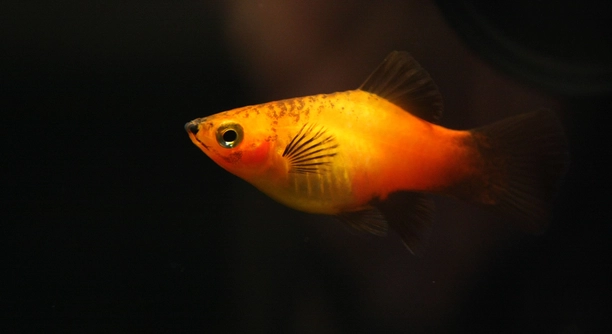
Platy fish are popular freshwater pets known for their vibrant colors and peaceful nature. Many owners enjoy caring for them but sometimes struggle with finding the right tools to keep their tanks healthy and attractive. Having the proper equipment makes a big difference in their care routine.
Essential tools for platy owners include reliable water testing kits, efficient filtration systems, appropriate fish food, gentle nets, tank heaters, algae scrapers, and water conditioners. These tools support the health, cleanliness, and stability of the aquarium environment, promoting the wellbeing of the fish.
Knowing which tools to use can simplify tank maintenance and improve your platy’s quality of life. The following list highlights key items every platy owner should have on hand.
Water Testing Kits
Water quality is the foundation of a healthy aquarium. Testing kits help you monitor important factors like pH, ammonia, nitrite, and nitrate levels. Keeping these parameters in check prevents stress and illness in platies. Regular testing allows you to address issues before they become serious. Many kits come with easy-to-use strips or liquid tests, making it simple to maintain your tank’s balance. Testing once a week is enough for most tanks. It’s a small task that saves a lot of trouble and keeps your fish thriving.
Water testing kits give you control over your tank’s environment and help maintain stable conditions.
Consistent water testing reduces the risk of toxic buildup that can harm platies. It guides adjustments in filtration and water changes, ensuring the tank stays safe. With clear results, you can act quickly if any levels shift. This prevents common problems like fin rot or sluggish behavior. Using a quality kit also helps you understand how your tank responds to new additions or changes, improving your care routine. It’s one of the simplest ways to keep your fish healthy and comfortable.
Filtration Systems
Good filtration keeps the water clean by removing waste, toxins, and debris. A reliable filter supports oxygen exchange and helps maintain water clarity. Without proper filtration, waste accumulates quickly, causing poor water conditions. Choosing the right size filter is important; it should handle the tank volume efficiently without creating too much current, which can stress platies. Filters with mechanical, chemical, and biological stages offer the best results by capturing particles, neutralizing chemicals, and supporting beneficial bacteria. Cleaning or replacing filter media regularly keeps the system working well and extends the health of your aquarium.
Filtration is essential for a stable and safe environment, preventing buildup of harmful substances.
Filters also reduce maintenance time by lowering how often you need to change water. They create a natural balance that helps keep platies active and healthy. Using a filter designed for freshwater tropical fish ensures appropriate flow and filtration levels. A well-maintained filtration system supports good water quality and promotes a thriving tank. This tool is indispensable for both beginners and experienced owners.
Fish Food
Platies need a balanced diet that includes flakes, pellets, and occasional treats like frozen or live foods. Feeding them the right food supports their color, growth, and energy levels. Avoid overfeeding to keep the water clean and the fish healthy.
High-quality flakes and pellets provide essential nutrients and vitamins for platies. These foods are formulated to meet their dietary needs and keep them vibrant. Supplementing with frozen or live foods such as brine shrimp or bloodworms adds protein and variety. Feeding small amounts two to three times daily helps prevent uneaten food from polluting the tank. Proper nutrition strengthens their immune system and supports breeding efforts if desired. Paying attention to food quality and quantity is important for maintaining healthy platies.
Choosing food specifically made for tropical livebearers ensures your platies get the right balance of nutrients. Rotating different types of food helps avoid nutritional gaps and keeps the fish interested at mealtime. A varied diet is key to long-term health and enjoyment.
Nets
Using a gentle, fine-mesh net is necessary for safely handling platies during tank cleaning or transfers. It minimizes stress and prevents injuries. Selecting the right size net makes catching platies easier.
Fine mesh nets reduce damage to delicate fins and scales, which are common in small fish like platies. Smaller nets help avoid chasing the fish around the tank, limiting stress. A handle of comfortable length provides better control when moving fish. Cleaning the net before and after use prevents the spread of disease between tanks. Keeping a dedicated net for your platies ensures their safety during routine maintenance or tank moves. Using a net designed for small fish makes all handling tasks smoother and safer.
Regularly inspecting your net for tears or rough edges is important to prevent harm. Nets that are too large or rough can cause fin tears or scale loss. Investing in a high-quality net with soft, durable mesh helps protect your fish during every use.
Tank Heater
Platies thrive best in stable water temperatures between 72°F and 78°F. A reliable tank heater maintains this range consistently. Sudden temperature changes can stress or even harm your fish.
Choose a heater with adjustable settings and an automatic shut-off feature for safety. Proper placement ensures even heat distribution throughout the tank.
Algae Scraper
Algae buildup can quickly make your tank look dirty and harm water quality. Using an algae scraper regularly helps keep glass surfaces clean. This tool is simple but effective for maintaining tank clarity and a healthy environment.
Water Conditioner
Tap water contains chlorine and harmful chemicals that can hurt platies. A water conditioner neutralizes these substances, making water safe for your fish. Always treat new water before adding it to the tank.
Using a conditioner reduces stress and prevents damage to fish gills and skin. It also supports beneficial bacteria growth that keeps the aquarium balanced.
FAQ
What is the best water temperature for platies?
Platies do best in water temperatures between 72°F and 78°F. Keeping the temperature stable within this range helps reduce stress and supports their immune system. Sudden changes in temperature can weaken their health, so using a reliable heater with a thermostat is important to maintain consistent warmth.
How often should I test my aquarium water?
Testing the water once a week is usually enough for a healthy platy tank. Regular testing helps catch any changes in ammonia, nitrite, nitrate, or pH levels early. This allows you to take quick action before problems affect your fish. More frequent testing may be needed after adding new fish or making big changes.
What kind of food should I feed my platies?
A varied diet is best for platies. High-quality flakes or pellets made for tropical livebearers cover their basic nutritional needs. Supplementing with frozen or live foods like brine shrimp or bloodworms adds extra protein and variety. Feeding small portions two or three times daily helps avoid overfeeding and water pollution.
How do I prevent algae from taking over my tank?
Regular tank maintenance helps keep algae under control. Using an algae scraper to clean the glass and decorations prevents buildup. Avoid overfeeding, as leftover food can increase algae growth. Maintaining proper lighting—about 8 to 10 hours a day—and controlling nutrients in the water also reduces algae problems.
Can I keep platies with other fish?
Platies are peaceful and get along well with other non-aggressive fish of similar size. Good tankmates include guppies, mollies, and tetras. Avoid larger or aggressive fish that may bully or eat platies. Always research compatibility before adding new species to your tank.
How often should I change the water?
Changing about 20-30% of the water every one to two weeks helps keep the tank clean and balanced. Frequent water changes remove toxins and replenish minerals. Use a water conditioner to treat tap water before adding it to the aquarium. Avoid changing too much water at once, as this can stress the fish.
What size tank do platies need?
A minimum 10-gallon tank is recommended for a small group of platies. They are social fish and prefer living in groups of at least three or more. Larger tanks provide more stable water conditions and room for swimming. Adding plants and hiding spots makes the environment comfortable.
How do I handle my platies safely?
Use a fine-mesh net when moving or catching platies. This helps prevent injury to their delicate fins and scales. Handle them gently and minimize time outside the water. Cleaning the net between uses avoids spreading diseases. A good net makes tank maintenance easier and safer for your fish.
Why is my platy acting sluggish?
Sluggish behavior can result from poor water quality, incorrect temperature, or illness. Check water parameters first and adjust if needed. Ensure the heater is working properly. Observe for signs of disease such as spots, clamped fins, or loss of appetite. Early treatment improves chances of recovery.
How can I encourage breeding in platies?
Platies breed easily in a healthy tank with stable conditions. Provide plenty of plants or hiding spots for fry. Feed adults a nutritious diet rich in protein. Separate pregnant females if possible to protect fry from being eaten. Regular water changes and good care encourage successful breeding.
Final thoughts are important when caring for platies because they remind us of the basics that keep these fish healthy and happy. Maintaining clean water, feeding the right food, and providing a stable environment are key to their wellbeing. Using the right tools makes these tasks easier and more effective. Each tool mentioned in this article plays a specific role in supporting the tank’s health and the fish’s comfort. When combined, they create an environment where platies can thrive and show their natural behaviors.
It is important to keep up with regular maintenance. Testing water quality, changing water, cleaning algae, and checking equipment ensure the tank stays balanced. Consistency helps prevent common problems like disease and stress. A well-maintained tank also reduces unexpected issues, saving time and effort in the long run. Using tools like a water testing kit and a good filter allows you to monitor and control the tank’s conditions. This control helps you respond quickly to any changes that might affect your fish.
Taking care of platies can be very rewarding when you have the right setup. The tools discussed here are practical and easy to use, even for those new to fishkeeping. Paying attention to water quality, diet, temperature, and tank cleanliness will help you enjoy healthy, active platies. With steady care and the right equipment, your aquarium can become a stable, beautiful home for your fish. These small investments in time and tools make a big difference in the quality of life for your platies.

Hello,
If you enjoy the content that we create, please consider saying a "Thank You!" by leaving a tip.
Every little bit helps us continue crafting quality advice that supports the health, happiness, and well-being of pets around the world, for pets of all shapes, sizes, and species.
We really appreciate the kindness and support that you show us!