
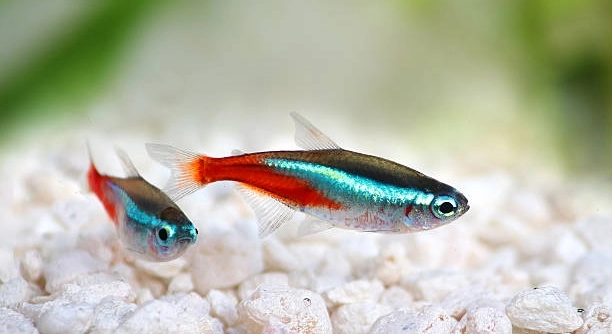
Tetras are popular aquarium fish known for their bright colors and peaceful nature. Sometimes, however, they can become aggressive, causing stress in the tank. Understanding how to prevent this behavior is important for a healthy aquarium environment.
Aggression in tetras often results from overcrowding, poor water quality, or lack of hiding spaces. Maintaining proper tank conditions, providing enough space, and ensuring a balanced diet are key steps to reduce aggressive behavior in these fish.
Learning simple ways to keep your tetras calm can improve their well-being and create a more peaceful tank atmosphere. The following tips will help you maintain harmony among your fish friends.
Create Enough Space for Your Tetras
Tetras feel stressed when their tank is too crowded. Overcrowding leads to competition for food and hiding places, which can trigger aggression. Ideally, allow at least one gallon of water per tetra to give them enough room to swim freely. A spacious tank helps reduce territorial behavior and keeps the fish calmer. Adding plants and decorations also creates natural hiding spots, allowing shy tetras to escape if they feel threatened. This setup lowers the chances of fights breaking out. Remember, a larger environment lets tetras establish their own space, which is important for maintaining peace. If you notice aggression, check if your tank size is suitable for the number of fish you have. Adjusting their living space can make a big difference in how they behave.
Giving your tetras enough room is one of the easiest ways to prevent aggressive behavior and keep your aquarium peaceful.
Creating a balanced tank environment means more than just space. Water quality plays a crucial role. Regularly testing and cleaning the water keeps it safe for your fish. Poor water conditions can cause stress, which often leads to aggression. Feeding a varied and balanced diet also helps keep tetras healthy and less likely to act out. Providing hiding spots and plants mimics their natural habitat, reducing stress and giving them places to retreat. Watch how your tetras interact daily. Sometimes minor changes like rearranging decorations or reducing tank mates can improve their behavior. Taking these steps supports a calm and happy group of tetras.
Maintain Good Water Quality
Poor water quality can increase stress and cause tetras to act aggressively. Keeping the tank clean helps maintain their health and calm behavior.
Regular water changes and monitoring ammonia, nitrite, and nitrate levels are essential for a healthy tank. Using a reliable filter and avoiding overfeeding also improve water conditions. Proper maintenance reduces fish stress and prevents aggression caused by discomfort. Clean water supports their immune system and encourages peaceful interaction among tank mates.
Provide a Balanced Diet
Feeding tetras a balanced diet helps reduce aggression by keeping them healthy and satisfied.
Tetras need a mix of high-quality flakes, pellets, and occasional live or frozen foods like brine shrimp or bloodworms. Variety ensures they get all necessary nutrients, which supports their immune system and lowers stress levels. Overfeeding can cause water issues and aggression, so offer small amounts once or twice daily, only what they can eat in a few minutes. A proper diet keeps them active but calm, reducing food-related fights in the tank.
Consistent feeding times help establish routine and reduce competition. Also, feeding in multiple spots around the tank prevents dominant fish from controlling all the food. This approach encourages peaceful feeding habits and less aggressive behavior among your tetras. Balanced nutrition and smart feeding techniques go hand in hand to create a calmer aquarium environment.
Monitor and Separate Aggressive Fish
When one tetra becomes aggressive, it can affect the whole group. Watch your fish for signs of bullying or constant chasing.
Separating aggressive individuals quickly helps protect the others. Use a temporary tank or divider if needed. Keeping aggressive tetras isolated gives them time to calm down and reduces overall stress. Sometimes, aggression comes from incompatible species or individual personalities, so consider adjusting your fish mix. Regular observation is important to catch issues early. Acting fast prevents injuries and helps maintain peace in the tank.
If separation isn’t an option, rearranging decorations can disrupt established territories and lower aggression. Changing the tank layout forces fish to rethink their space, which can reset social hierarchies. Combining this with proper care and feeding improves the chances of peaceful coexistence among your tetras.
Keep a Proper School Size
Tetras feel safer and behave better in groups of six or more. Smaller groups can cause stress and aggression.
A larger school spreads out aggression and keeps the fish busy socializing. This reduces the chance of bullying and fights within the tank.
Avoid Mixing Aggressive Species
Mixing tetras with aggressive fish can increase stress and cause fights. Choose peaceful tank mates that match your tetras’ temperament.
Aggressive species may intimidate or harm tetras, making the whole tank unstable. Research compatibility before adding new fish. Peaceful companions help maintain calm and reduce territorial disputes among your tetras.
Use Plants and Decorations
Plants and decorations offer hiding spots and break lines of sight between fish. This reduces stress and aggression in tetras.
Adding live or artificial plants creates a natural environment that helps tetras feel secure and less likely to act aggressively.
FAQ
Why do tetras become aggressive sometimes?
Tetras can become aggressive due to stress caused by overcrowding, poor water quality, or lack of hiding places. Changes in the tank environment or introducing new fish can also trigger territorial behavior. Sometimes, individual personality differences mean some tetras are naturally more dominant.
Aggression often appears when fish feel threatened or compete for resources like food and space. Ensuring proper tank conditions and enough room helps reduce this behavior. Monitoring their interactions regularly allows early detection of issues, making it easier to manage aggression before it escalates.
How many tetras should be kept together?
A minimum group size of six tetras is ideal. Tetras are schooling fish, so they rely on being in groups for comfort and security. Smaller groups can lead to stress, which may cause aggression.
Keeping them in a group helps distribute any aggressive tendencies among several fish, preventing any one tetra from being singled out or becoming a bully. Larger schools create natural social structures and keep the fish busy, reducing aggressive incidents in the tank.
What are the signs of aggression in tetras?
Signs include chasing, nipping fins, and constant chasing around the tank. Aggressive tetras may isolate other fish or act more territorial. Fin damage and stress-related behavior, like hiding or loss of appetite, can also show aggression problems.
Noticing these signs early helps prevent serious injuries and stress. Keeping an eye on the fish during feeding and daily activity is important for spotting trouble. Acting quickly to separate aggressive individuals or improve the tank environment can stop aggression from worsening.
Can changing the tank layout reduce aggression?
Yes, rearranging decorations and plants breaks established territories and disrupts dominant behavior. Changing the tank layout forces tetras to rethink their space, which lowers aggression.
New hiding spots and visual barriers reduce direct confrontation between fish. This simple change can reset social hierarchies and give stressed tetras a chance to calm down, improving peace within the tank.
Is water temperature related to aggression in tetras?
Water temperature that is too high or too low can stress tetras, which may increase aggression. Keeping the tank within the recommended temperature range (around 72-80°F) helps maintain calm behavior.
Temperature fluctuations disturb the fish’s comfort, potentially triggering defensive or aggressive actions. A stable temperature supported by a reliable heater reduces stress and supports overall health, making aggression less likely.
What should I do if one tetra keeps bullying others?
Isolate the aggressive tetra temporarily using a separate tank or divider. This protects the others and gives the aggressive fish time to calm down.
Evaluate if tank size, population, or environment changes can reduce stress. Sometimes removing or rehoming the aggressive fish is necessary if behavior continues. Providing plenty of hiding places and plants may help reduce bullying by giving fish space to escape.
Does feeding schedule affect aggression?
Yes, irregular or insufficient feeding can cause competition and fighting. Feeding your tetras small, consistent meals once or twice daily helps reduce food-related aggression.
Offering food in several spots around the tank prevents dominant fish from taking all the food and allows shy fish to eat peacefully. A balanced diet also keeps fish healthy, which lowers stress and aggressive tendencies.
Are all tetra species equally peaceful?
No, some species are naturally more peaceful than others. For example, neon tetras are known for being calm, while serpae tetras tend to be more aggressive and fin-nippers.
Knowing your tetra species’ temperament helps set realistic expectations and allows you to manage your tank accordingly. Avoid mixing more aggressive tetras with very peaceful ones to reduce conflicts.
Can stress cause aggression in tetras?
Yes, stress is a major factor that leads to aggression. Poor water conditions, overcrowding, sudden changes, and incompatible tank mates all cause stress.
Reducing stress by maintaining good water quality, proper tank size, and a peaceful environment lowers aggression. Providing hiding spots and a stable routine helps tetras feel secure and less likely to fight.
How often should I check my tank to prevent aggression?
Daily observation is best to catch early signs of aggression. Watching your tetras during feeding and general activity helps identify any problems before they escalate.
Regular water testing and tank maintenance keep conditions stable, reducing stress that triggers aggression. Early action based on careful observation ensures a healthy and peaceful tank environment for your tetras.
Keeping tetras peaceful and happy in your aquarium takes some care and attention, but it is definitely doable. These small fish are naturally social and calm, but certain factors can cause them to act aggressively. Overcrowding, poor water quality, and lack of hiding spots are some of the main reasons aggression happens. By making sure the tank is the right size, clean, and has plenty of plants or decorations, you create a safe space where tetras can swim and live without stress. When fish feel comfortable, they are less likely to compete or fight with each other.
Feeding your tetras well also plays an important role in their behavior. A balanced diet that includes flakes, pellets, and occasional live or frozen food keeps them healthy and satisfied. Overfeeding or feeding too irregularly can lead to competition and aggressive behavior. It’s helpful to feed small amounts twice a day and spread the food around the tank to avoid dominant fish from taking all of it. Watching your fish closely during feeding times will help you notice if any of them are acting out or bullying others. If you do see aggression, separating the aggressive fish temporarily or rearranging tank decorations can help calm things down.
It’s normal for tetras to have some social interactions that look a bit rough, but constant chasing or nipping is a sign that changes are needed. Being proactive about tank maintenance, water quality, and fish health is the best way to prevent aggression before it starts. Regularly checking on your tetras and making small adjustments will keep your aquarium a peaceful place for all the fish to thrive. With the right care, your tetras will show their true colors as friendly and vibrant additions to your home.

Hello,
If you enjoy the content that we create, please consider saying a "Thank You!" by leaving a tip.
Every little bit helps us continue crafting quality advice that supports the health, happiness, and well-being of pets around the world, for pets of all shapes, sizes, and species.
We really appreciate the kindness and support that you show us!