
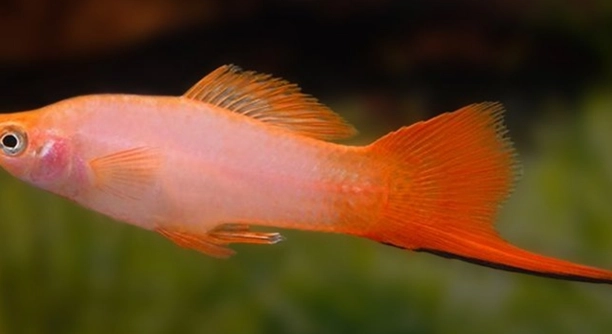
Swordtails are popular fish known for their vibrant colors and active nature. However, some owners may notice unwanted behavior like fin nipping among their swordtail fish. This can be frustrating but is often preventable.
Fin nipping in swordtails is generally a result of aggression or stress. Addressing factors like tank size, overcrowding, and the presence of compatible tank mates can greatly reduce this behavior. Providing enough hiding spots and a balanced environment is essential.
Proper care and understanding of your swordtail’s environment can help reduce or prevent fin nipping. With a few simple adjustments, your swordtails can live more peacefully and comfortably, improving their overall well-being.
Tank Size and Overcrowding
Swordtails are active swimmers, and providing them with enough space is crucial to reducing stress and aggression. When swordtails are kept in small tanks, they may feel cramped, leading to frustration and the tendency to nip at each other’s fins. A tank that is too small for the number of fish can trigger territorial behavior, causing even peaceful swordtails to become more aggressive.
A general rule is to allow at least 1 gallon of water per inch of fish, though swordtails require more space due to their active nature. The ideal tank size for swordtails starts at 20 gallons, with additional space for each extra fish. This will help them feel more comfortable and reduce fin nipping behavior.
Additionally, larger tanks provide more room for creating a natural environment with plants and hiding spots, which helps swordtails feel secure. A spacious environment also gives your fish a chance to escape from one another if they’re feeling threatened, cutting down on aggression.
Tank Mates Matter
When choosing tank mates for swordtails, it’s important to pick peaceful species that won’t provoke or stress them. Aggressive fish can easily set off fin-nipping behavior. Fish with long, flowing fins, like guppies or bettas, may attract swordtails and cause them to nip out of curiosity or aggression.
Adding compatible species that don’t compete for space or resources can make a difference. Consider fish like Corydoras catfish or peaceful tetras, which will coexist with swordtails without sparking conflict. It’s essential to avoid overly territorial or aggressive fish that may stress the swordtails.
In addition to picking peaceful tank mates, observe how they interact. Sometimes, even non-aggressive fish can trigger stress or irritation in swordtails, so regular monitoring can help ensure a balanced environment. Fish that get along will keep the tank peaceful, reducing the chances of fin nipping.
Providing Hiding Spots
Swordtails, like many fish, appreciate having spaces to hide when they feel threatened or need some peace. Without these hiding spots, swordtails may become stressed, leading to increased aggression or fin nipping.
Including plants, rocks, or decorations that allow swordtails to retreat and feel safe can make a noticeable difference. This is especially important if you have a tank with more than one male swordtail. Males can become territorial, and providing them with hiding spots helps reduce unnecessary conflict. A calm environment supports healthy fish behavior, encouraging them to interact peacefully.
Another factor to consider is the placement of decorations. Ensure there are hiding spots spread across the tank, so every fish has access to one. This reduces the likelihood of a single fish feeling cornered, thus decreasing stress-related fin nipping. When swordtails feel secure in their surroundings, they are less likely to display aggressive behavior.
Stress and Environmental Factors
Swordtails are sensitive to stress, which can lead to fin nipping. Poor water quality, fluctuating temperatures, and a lack of proper filtration can all contribute to a stressed environment for your fish. It’s important to regularly check the water parameters, such as pH, ammonia levels, and temperature, to ensure they are within the optimal range.
Temperature changes can particularly stress swordtails, as they prefer a consistent temperature between 72°F and 79°F. Sudden shifts can cause stress, which, in turn, can lead to more aggressive behavior like fin nipping. Using a reliable aquarium heater to maintain a stable temperature can help keep your swordtails calm.
In addition to temperature, swordtails need clean water to stay healthy. Poor water quality can weaken their immune system, making them more susceptible to illness and stress. Regular water changes and proper filtration are key to creating a healthy environment where swordtails can thrive without resorting to fin nipping.
Feeding and Nutrition
Swordtails need a balanced diet to stay healthy and avoid aggression. Poor nutrition can lead to stress, which may contribute to fin nipping. Providing a variety of food, including high-quality flakes, pellets, and live or frozen foods, ensures they receive the necessary nutrients.
Feeding swordtails properly also supports their overall well-being. Inadequate or improper food can weaken their immune system, making them more susceptible to stress and aggression. Offering small portions multiple times a day helps prevent overeating and minimizes waste. Overfeeding can lead to poor water quality, which in turn, adds to stress and nipping behavior.
A varied diet is key for swordtails. Supplementing with live foods, such as brine shrimp or daphnia, will mimic their natural feeding habits. These foods provide essential proteins and nutrients that promote better health, reducing the chances of stress-related behavior. Ensure that any live food is free from parasites to avoid introducing health issues.
Regular Maintenance
Keeping the tank clean is essential for preventing stress in swordtails. Regular water changes are necessary to remove waste and keep ammonia levels low. Swordtails are particularly sensitive to poor water quality, which can lead to health issues and stress, contributing to fin nipping.
Change 25-30% of the water in your tank every two weeks. This helps to maintain water clarity and balance essential chemicals like nitrate, nitrite, and ammonia. Clean the tank’s filter monthly and make sure it’s functioning correctly. Maintaining proper filtration reduces the buildup of harmful toxins, creating a healthier environment for your swordtails.
Check the condition of your decorations and plants as well. Dirty decorations can harbor harmful bacteria and parasites, which can stress swordtails. Removing debris and algae buildup will help keep the tank clean and reduce the chances of fin nipping due to an unhealthy environment. Regular maintenance promotes a calm and stable atmosphere.
Proper Tank Setup
Creating a suitable environment for swordtails can help prevent fin nipping. This includes not only the tank size but also the layout of decorations and plants. A well-structured tank offers security and reduces stress.
Use plants, rocks, and driftwood to create hiding spots and territories. Swordtails feel more at ease when they have places to retreat, reducing aggressive behaviors. Ensure the decorations are arranged in a way that allows all fish to access hiding spots.
The proper setup also prevents overcrowding. A well-planned tank layout, combined with the right number of swordtails, ensures enough space for each fish. This helps create a more peaceful tank, which reduces fin nipping.
Gender Balance
The gender ratio in your tank can affect swordtail behavior. Males tend to be more aggressive, especially towards other males. A skewed male-to-female ratio can increase aggression and lead to fin nipping. Keeping more females than males helps balance out this behavior.
If you prefer having more males, try adding additional hiding spaces and plants to help reduce territorial disputes. Monitoring interactions between swordtails and adjusting the gender ratio can improve tank harmony. This simple adjustment can make a big difference in reducing stress and aggression, leading to healthier fish.
Water Temperature
Maintaining a stable water temperature is important for swordtails. They thrive in temperatures between 72°F and 79°F. Significant fluctuations can cause stress, leading to fin nipping.
A reliable aquarium heater helps maintain a consistent temperature. Swordtails become more prone to aggressive behaviors, including fin nipping, if the water is too cold or too hot. Regularly check the water’s temperature with an aquarium thermometer to ensure it stays within the ideal range. This reduces the chances of stress-induced aggression.
FAQ
Why do swordtails nip each other’s fins?
Swordtails may nip each other’s fins due to stress, aggression, or competition for territory. Males, in particular, may show aggressive behavior toward other males, especially when there is a lack of space or hiding spots in the tank. Fin nipping is also common when swordtails feel threatened or overcrowded. Stress from poor water quality, inappropriate tank mates, or inconsistent water temperature can also contribute to this behavior. By addressing these factors, you can reduce the likelihood of fin nipping and create a peaceful environment for your swordtails.
How can I stop swordtail fin nipping?
To prevent fin nipping, ensure your tank is appropriately sized and provides plenty of space for each fish. Overcrowding is a major contributor to aggression, so aim for at least 20 gallons for a group of swordtails. Introduce hiding spots, plants, and decorations to give your fish a chance to retreat when they feel threatened. Maintain a proper gender balance by having more females than males, as male swordtails can be territorial. Lastly, monitor water quality and temperature, as poor conditions can lead to stress and fin nipping.
What tank size is best for swordtails?
Swordtails need a tank that is at least 20 gallons to thrive. This provides enough space for them to swim freely and reduces territorial disputes. If you plan to keep multiple swordtails, a larger tank will be necessary to avoid overcrowding. For every additional swordtail, you should add about 5-10 gallons of water to accommodate the fish comfortably. A larger tank also gives you room to add plants and decorations that create hiding spots, reducing the chances of stress and fin nipping.
How do I maintain good water quality for swordtails?
Good water quality is essential for swordtails to remain healthy and reduce the risk of stress-induced fin nipping. Perform regular water changes, about 25-30% of the tank’s volume every two weeks. This helps remove waste and maintain proper levels of ammonia, nitrites, and nitrates. Use a high-quality filter that suits the size of your tank and check the water parameters, such as pH, hardness, and temperature, to ensure they are in the optimal range for swordtails. A clean, stable environment will help prevent aggressive behaviors.
Do swordtails require a heater?
Yes, swordtails need a consistent water temperature to thrive. They prefer water between 72°F and 79°F (22°C to 26°C). If your home’s temperature fluctuates too much, it’s essential to use an aquarium heater to keep the water temperature stable. Sudden temperature changes can cause stress, making swordtails more prone to fin nipping. A heater ensures that your swordtails stay comfortable, reducing the likelihood of stress and aggression.
Can swordtails live with other fish?
Swordtails can live with a variety of peaceful species as long as they are compatible in terms of temperament and environmental needs. Avoid keeping swordtails with aggressive fish, as this can lead to stress and fin nipping. Good tank mates for swordtails include peaceful species like tetras, catfish, and other livebearers. However, be cautious with fish that have long fins, as swordtails may be attracted to them and nip. Always consider the temperament and needs of each species before adding them to your tank.
How often should I feed my swordtails?
Feed your swordtails small amounts two to three times a day. It’s better to offer smaller portions that they can eat in a few minutes, as overfeeding can lead to poor water quality and stress. Swordtails are omnivores and benefit from a varied diet that includes high-quality flakes, pellets, and occasional live or frozen foods like brine shrimp, daphnia, and bloodworms. A well-balanced diet helps keep them healthy and reduces stress, which can lead to fin nipping.
What can I do if my swordtails are fighting?
If your swordtails are fighting, it’s important to identify the cause. Overcrowding, poor water quality, and incompatible tank mates can lead to aggression. If you have too many males, consider adding more females to balance the gender ratio. Create more hiding spots in the tank to reduce territorial disputes. If the fighting persists, you may need to separate the aggressive fish or add new tank mates to diffuse the tension. Regular observation of your tank’s dynamics will help you manage conflicts and create a more peaceful environment.
Can swordtails live with bettas?
It’s not recommended to keep swordtails with bettas, especially male bettas, due to the aggression both species can display. Male bettas are highly territorial and may view swordtails as a threat, leading to fights. Additionally, swordtails have long, flowing fins, which can attract male bettas, prompting them to nip. If you wish to keep these species together, consider a large tank with plenty of hiding spots and plants to give both fish space. However, it’s safer to choose other peaceful species that won’t trigger aggression in bettas or swordtails.
Are swordtails easy to care for?
Swordtails are relatively easy to care for, making them a popular choice for beginner aquarium owners. They are hardy fish and adapt well to a range of water conditions. However, they do require regular water changes, a well-maintained tank, and a balanced diet. Swordtails are also social and thrive in groups, so it’s important to provide them with enough space and tank mates that match their temperament. With proper care, swordtails can be a low-maintenance addition to your aquarium.
Final Thoughts
Swordtails are beautiful and active fish that make great additions to most aquariums. However, if you’re dealing with fin nipping, it’s important to take a closer look at their environment. Fin nipping is often a sign of stress, overcrowding, or aggression, but it can be controlled with some simple adjustments. Ensuring your swordtails have enough space, proper tank mates, and a comfortable environment can go a long way in reducing this behavior.
Addressing tank size and providing adequate space is one of the easiest ways to reduce fin nipping. Swordtails are active swimmers, and when they feel crowded, they may start nipping at each other’s fins out of frustration or territorial behavior. A tank that is too small for the number of swordtails can create a stressful environment, making them more likely to engage in aggressive behaviors. Providing enough hiding spots with plants and decorations also helps reduce the chances of stress and aggression. The more secure your swordtails feel in their surroundings, the less likely they are to nip at each other.
It’s also important to consider the role of tank mates. Some species are more likely to trigger aggression in swordtails, leading to fin nipping. By selecting peaceful fish that share similar water requirements, you can create a more harmonious tank. In addition, maintaining stable water conditions, including the right temperature and regular water changes, is crucial for swordtails’ overall well-being. By monitoring their diet and ensuring they are well-fed with nutritious foods, you can help keep them healthy and reduce the likelihood of behavior issues. When swordtails are kept in the right conditions, they can live peacefully and beautifully in your aquarium.

Hello,
If you enjoy the content that we create, please consider saying a "Thank You!" by leaving a tip.
Every little bit helps us continue crafting quality advice that supports the health, happiness, and well-being of pets around the world, for pets of all shapes, sizes, and species.
We really appreciate the kindness and support that you show us!