
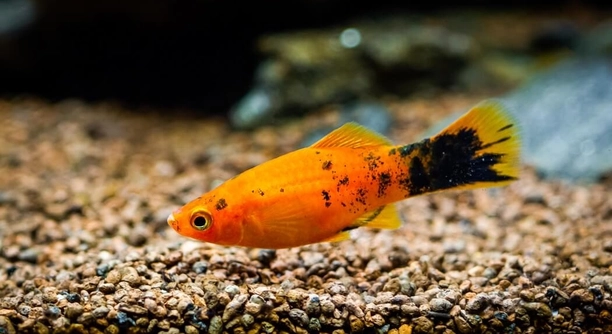
Many aquarium enthusiasts enjoy keeping adult platies, but introducing fry to the same tank requires caution. Balancing the needs of both young and mature fish ensures a healthy environment for all inhabitants. Proper care during this process is essential for success.
Safely mixing fry with adult platies involves managing tank space, providing adequate hiding spots, and ensuring proper feeding to prevent aggression and stress. Monitoring water quality and maintaining suitable conditions reduce risks and promote coexistence in the same habitat.
Following simple guidelines can help maintain harmony and growth among your platies. Understanding these steps will support a thriving community in your aquarium.
Preparing the Tank for Fry and Adult Platies
Before adding fry to a tank with adult platies, it’s important to prepare the environment carefully. Adults can sometimes be territorial or aggressive toward fry, so creating spaces where the young fish can hide is necessary. Adding plenty of plants, rocks, or decorations provides shelter and reduces stress. Also, ensure the tank is large enough to give everyone room to swim freely. Overcrowding can lead to aggression and poor water quality. Regularly checking water parameters, such as temperature, pH, and ammonia levels, keeps the tank safe for both fry and adults. Maintaining clean water with frequent partial changes helps prevent disease. Feeding both fry and adults the right amount and type of food supports healthy growth and reduces competition. This preparation sets a balanced foundation for mixing fry and adult platies.
Creating hiding spaces lowers stress for fry. Plants and decorations help separate the fish naturally.
Proper feeding is just as important as tank setup. Fry need smaller, more frequent meals than adults. Use finely crushed flakes or specialized fry food to meet their nutritional needs. Adults should be fed a balanced diet to stay healthy and less likely to bother the fry. Avoid overfeeding, which can pollute the water and cause health problems. Feeding times should be consistent, allowing both fry and adults to get enough food without competing aggressively. A well-fed adult platy is less likely to attack or stress the fry, making peaceful coexistence easier. Providing food in different areas of the tank also helps reduce conflict.
Monitoring Behavior and Adjusting as Needed
Observing how the fry and adults interact after introduction is crucial. Pay attention to signs of aggression such as chasing or nipping, especially from adult platies toward the fry. If aggression is noticed, increasing hiding spots or separating the fish temporarily may be necessary. Sometimes, adding more adults to spread aggression or rearranging tank decorations can help reset territorial boundaries. Consistent monitoring during the first few weeks allows you to catch problems early. Healthy fry will be active and growing steadily, while stressed or injured ones may hide excessively or show signs of damage. Adjust feeding and tank maintenance based on these observations to maintain balance.
Behavior changes can indicate stress or imbalance in the tank.
Keeping a close eye on your platies helps prevent issues before they worsen. If an adult is persistently aggressive, consider moving it to a different tank or increasing the number of hiding spots. Ensure water conditions remain stable, as poor water quality can increase stress and aggression. Regular tank cleaning and water tests support a healthier environment. Tracking fry growth and health can guide feeding and care adjustments. Making timely changes keeps both fry and adults comfortable and thriving. This attentive care supports a peaceful and successful community tank.
Feeding Strategies for Fry and Adult Platies
Feeding fry and adult platies requires different approaches to meet their nutritional needs. Fry need smaller, more frequent meals, while adults can be fed larger portions less often. Proper feeding reduces competition and supports healthy growth for both.
Providing the right food for each group is essential. Fry benefit from finely crushed flakes or specialized fry food rich in protein, which supports their rapid growth. Adults require a balanced diet including flakes, pellets, and occasional live or frozen foods to maintain health. Feeding fry several times a day helps ensure they get enough nutrients without overwhelming the tank. Adults can be fed once or twice daily. Avoid overfeeding both groups, as leftover food can pollute the water, leading to poor tank conditions. Feeding in different areas also helps prevent adults from outcompeting fry for food.
Adjust feeding based on how your fish respond. If fry aren’t eating well or adults seem overly aggressive during feeding, try offering food in smaller amounts or more hiding places. Observing feeding behavior can guide adjustments. Providing variety in diet benefits overall health and reduces stress. A consistent schedule helps keep your fish calm and well-nourished, supporting their long-term wellbeing.
Importance of Water Quality Maintenance
Maintaining water quality is critical when housing fry with adult platies. Regular water changes and monitoring keep the environment safe and comfortable. Good water quality reduces stress and disease risks for all fish.
Cleaning the tank regularly removes harmful toxins like ammonia and nitrites, which can build up quickly, especially in crowded tanks. Test water parameters frequently to ensure temperature, pH, and hardness stay within suitable ranges. Using a quality filter helps maintain clear water and reduces waste buildup. Fry are particularly sensitive to poor water conditions, so more frequent partial water changes may be necessary. Avoid sudden changes in water chemistry, as they can shock the fish. Maintaining stable, clean water supports healthy growth for fry and adults and helps prevent illness.
In addition to water changes, avoid overfeeding to reduce waste. Removing uneaten food and debris keeps the substrate clean. Aeration improves oxygen levels, which benefits all tank inhabitants. Consistent water maintenance creates a stable habitat, enabling fry and adult platies to coexist with less stress and fewer health issues. Proper water care is a simple but essential step in successful fishkeeping.
Introducing Fry Gradually
Introducing fry to a tank with adult platies should be done slowly. Sudden changes can cause stress and increase the chance of aggression. Gradual introduction allows the fish to adjust and reduces conflicts.
Start by placing fry in a separate breeding box or tank inside the main aquarium. This keeps them safe while adults get used to their presence. After a few days, monitor interactions closely when releasing fry fully into the tank. Patience during this process is key.
Using Plants for Shelter
Plants provide essential shelter and hiding spots for fry. Dense foliage helps protect them from adult platies and reduces stress.
Live plants also improve water quality by absorbing nitrates and providing oxygen. Choose fast-growing plants like hornwort or java moss to create ample cover.
Separating Aggressive Adults
If an adult platy shows persistent aggression toward fry, it may need to be separated. This helps protect the young fish and maintains tank harmony.
Isolating aggressive fish in a different tank or using a divider can reduce stress and injury among fry.
FAQ
How soon can fry be mixed with adult platies?
Fry should only be introduced to the main tank once they are large enough to avoid being eaten by adults, usually around 3 to 4 weeks old. Starting with a separate breeding box or tank helps protect them during their most vulnerable stage. Gradual introduction after this period minimizes stress and aggression.
What signs show that adult platies are aggressive toward fry?
Common signs include chasing, nipping, or cornering the fry. If fry hide excessively or show physical injuries like torn fins or missing scales, aggression is likely present. Adults may also guard specific areas aggressively, indicating territorial behavior that can harm fry.
Can feeding affect aggression in the tank?
Yes. Underfed adults tend to be more aggressive as they compete for food. Providing enough food and feeding in different areas reduces competition. Offering fry smaller, frequent meals prevents them from missing out and reduces stress during feeding times.
What type of plants work best for hiding fry?
Dense, fast-growing plants such as java moss, hornwort, and water sprite provide excellent cover. These plants create safe zones where fry can retreat and avoid adult aggression. They also help improve water quality, making the tank environment healthier overall.
How often should water changes be done when mixing fry and adults?
Partial water changes of 20-30% should be done weekly, or more often if the tank is crowded. Fry are sensitive to toxins, so maintaining clean water is critical. Regular testing for ammonia, nitrites, and nitrates ensures conditions stay safe for all fish.
Is it necessary to separate aggressive adult platies?
If an adult fish is consistently attacking fry despite efforts to provide hiding spots and proper feeding, separating that fish is recommended. Using a separate tank or tank divider helps reduce stress and prevent injury or death among fry.
Can fry survive in a tank without plants or decorations?
Fry can survive, but survival rates drop without adequate shelter. Open tanks leave fry exposed to adults, increasing stress and risk of predation. Providing hiding places significantly improves their chances of growing healthily.
What food is best for newly hatched fry?
Newly hatched fry do best with infusoria or specialized liquid fry foods for the first few days. Afterward, finely crushed flakes or powdered fry food provide proper nutrition. Offering appropriate-sized food supports growth without polluting the tank.
How can I tell if fry are healthy?
Healthy fry are active, swim freely, and grow steadily. They respond well to feeding and show bright, clear coloration. Lethargy, discoloration, or lack of appetite may indicate stress or illness, requiring adjustments in care or water quality.
What is the best tank size for mixing fry with adult platies?
A larger tank of at least 20 gallons is ideal for mixing fry with adults. More space reduces territorial disputes and provides room for hiding spots. Overcrowding increases stress and aggression, so adequate tank size helps maintain a peaceful environment.
Should I use a breeder box or separate tank for fry?
Using a breeder box or separate tank protects fry from adults during early growth stages. It allows easy feeding and monitoring without risk of predation. After fry grow strong enough, they can be gradually introduced to the main tank.
Can adult platies eat their own fry?
Yes, adult platies often eat their fry if given the chance. This natural behavior is why providing hiding spaces and using breeder boxes are important. Separating fry until they are larger helps increase their survival rate.
How can I reduce stress in fry during introduction?
Introduce fry slowly and provide plenty of hiding spots. Keep water conditions stable and avoid sudden changes. Feeding fry adequately and observing their behavior helps minimize stress and improves their chances of survival.
What equipment helps maintain water quality for mixed tanks?
A good filter with gentle flow is essential to keep water clean without disturbing fry. Heaters maintain stable temperature. Test kits for ammonia, nitrites, and pH help monitor water parameters, ensuring a safe environment for both fry and adults.
Are live foods necessary for fry growth?
Live foods like baby brine shrimp or daphnia provide high nutrition and encourage natural feeding behavior. While not always necessary, they promote faster growth and better health compared to flakes alone. Including live foods occasionally benefits fry development.
Can adult platies coexist peacefully with their fry?
They can, but it depends on tank conditions, space, and temperament. Providing enough room, food, and hiding places lowers aggression and supports coexistence. Some adults remain aggressive, so careful observation and intervention may be required.
What temperature is best for fry and adult platies?
A stable temperature between 74°F and 78°F (23°C to 26°C) suits both fry and adults. Maintaining this range promotes healthy metabolism and reduces stress. Sudden temperature shifts can harm sensitive fry, so keep it consistent.
How often should fry be fed compared to adults?
Fry need smaller, more frequent feedings — ideally three to four times daily. Adults do well with one or two feedings. Frequent fry feeding supports their fast growth and reduces competition with adults during meals.
Can overcrowding cause problems when mixing fry with adults?
Overcrowding increases stress, aggression, and poor water quality. It limits hiding places and causes competition for food. Keeping stocking levels appropriate and ensuring adequate tank size improves survival and harmony.
Is it okay to mix different species of livebearers with fry and adult platies?
Mixing species can be done but increases complexity. Different species may have varying aggression levels or environmental needs. Research compatibility thoroughly and monitor behavior closely to avoid stress or harm to fry.
This FAQ covers key concerns when mixing fry with adult platies. Following these guidelines will help maintain a healthy and peaceful aquarium.
Mixing fry with adult platies requires careful planning and consistent care. It is important to prepare the tank properly, providing enough space, hiding spots, and good water quality. These factors help reduce stress and aggression between fish. Fry are vulnerable in the presence of adults, so protecting them during early growth stages is essential. Using plants and decorations creates safe zones where fry can retreat. Monitoring the tank conditions regularly ensures that both fry and adult platies remain healthy and comfortable in their shared environment.
Feeding plays a major role in keeping harmony between fry and adults. Fry need smaller, more frequent meals to grow well, while adults require balanced diets in proper amounts. Feeding in different areas of the tank helps reduce competition and aggression. Overfeeding should be avoided as it can pollute the water and cause health issues. Adjusting feeding habits based on how the fish respond is important for their wellbeing. Keeping water clean with regular changes and testing also supports fish health. A stable environment with good water quality reduces disease risks and helps all fish thrive.
Patience and close observation are key when mixing fry and adult platies. It is normal to face challenges like aggression or stress, but these can often be managed with adjustments to the tank setup or feeding routine. Sometimes, separating aggressive adults or using a breeder box for fry is necessary. Understanding the needs of both fry and adults, and providing appropriate care, leads to a peaceful tank where fish can grow and live well together. This careful approach makes keeping fry and adult platies in the same tank a rewarding experience.

Hello,
If you enjoy the content that we create, please consider saying a "Thank You!" by leaving a tip.
Every little bit helps us continue crafting quality advice that supports the health, happiness, and well-being of pets around the world, for pets of all shapes, sizes, and species.
We really appreciate the kindness and support that you show us!