
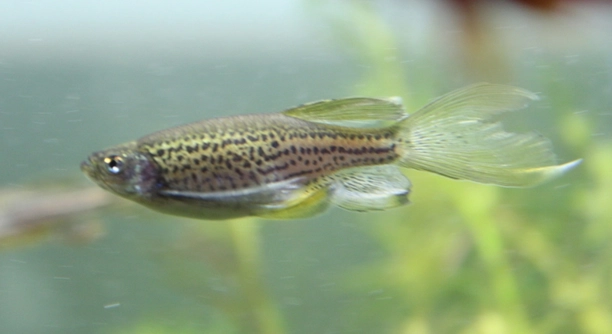
Are your zebra danios constantly chasing and nipping at each other, leaving you stressed and unsure how to help them?
The most effective way to reduce aggression in zebra danio tanks is by improving environmental conditions, increasing group size, and minimizing stressors. These actions promote natural schooling behavior, lower competition, and create a calmer aquatic environment.
Simple changes to tank setup and routine can make a big difference in your fish’s behavior and overall well-being.
Tip 1: Add More Zebra Danios
Zebra danios are schooling fish, and they feel safer when they’re in groups. A small group often leads to stress and aggressive behavior, especially if one fish becomes dominant. The best way to keep aggression low is to have at least six zebra danios in the tank. This spreads out any chasing or territorial behavior, making it less likely for one fish to get picked on. Larger groups mimic their natural environment and help them feel secure. Always make sure your tank size can support the number of fish you add. Overstocking can lead to poor water quality and other stress-related problems, which can also increase aggression. Keep the water clean and the group balanced in size. Avoid mixing zebra danios with slow-moving fish, as they may nip at their fins. Creating the right group size is a simple and effective way to support peaceful behavior in the tank.
A small group can make the dominant fish act out more. A larger group helps calm that behavior down.
When you increase the group size, the chasing and nipping are shared or reduced. This lowers stress for each fish and helps your tank feel more relaxed. It’s one of the easiest ways to keep harmony among zebra danios.
Tip 2: Rearrange the Tank
Territory plays a big role in zebra danio aggression.
Changing the layout of your tank removes existing territories and gives all the fish a fresh start. This is especially helpful if one fish is overly dominant. By moving plants, decorations, or rocks to new spots, you shake up the space enough that no single fish can claim ownership. It forces them to re-explore the tank and adapt to the new layout. This resets any patterns of chasing or bullying. Adding more hiding spots with plants or caves can also make a difference. These give weaker or stressed fish a place to retreat and reduce tension. Be sure to avoid sharp objects, as these active swimmers might hurt themselves. After rearranging, keep an eye on your fish for the next few days to make sure things have settled down. This method works best when done along with increasing the group size and improving water quality.
Tip 3: Reduce Reflections in the Glass
Reflections in the tank glass can confuse zebra danios. They may think their reflection is another fish and try to chase or fight it, which increases stress and aggression in the tank.
To fix this, reduce light hitting the glass directly. Try placing the tank away from bright windows or direct lighting. You can also adjust the angle of your room lights or cover the sides of the tank with background paper or aquarium film. Some people use plants along the glass to break up reflections. This helps the fish focus more on their real surroundings. It’s a simple fix that can make a big difference in their behavior. If your fish seem to be darting at the glass often, this could be a sign that reflections are bothering them. Fixing it can create a calmer space and help reduce tension among your zebra danios.
Keeping a consistent tank light schedule can also help reduce aggressive outbursts related to reflections. Sudden changes in brightness might cause confusion or panic, especially in smaller tanks where movement is more noticeable. If reflections continue to be a problem, consider using a matte or frosted background on the tank’s exterior. These small tweaks can really improve the fish’s mood and lower aggression.
Tip 4: Avoid Overfeeding
Overfeeding can lead to leftover food, poor water quality, and fish feeling sluggish. It may also cause aggression if certain fish begin guarding food areas or feel threatened during feeding times.
Feed only what your zebra danios can finish in two minutes. Split feeding into smaller, spaced-out meals if needed. Make sure every fish gets a fair chance to eat. Uneaten food sinks and breaks down, which increases ammonia and affects fish health. Poor water quality can cause stress, which often shows up as chasing or fin-nipping. If possible, use floating food that spreads across the tank so fish don’t bunch up in one area. This reduces competition. You can also try distracting more dominant fish with a bit of food in another spot to help others eat in peace. Keep the tank clean, check water regularly, and make feeding a calm and balanced time for your zebra danios.
Tip 5: Keep Water Conditions Stable
Poor water quality can stress zebra danios and lead to more aggressive behavior. Ammonia spikes, pH swings, or low oxygen levels can all affect their mood. Regular testing and consistent maintenance are important for keeping your tank balanced and calm.
A weekly partial water change helps keep the environment clean. Using a good filter and not overcrowding the tank also prevents sudden changes.
Tip 6: Add Plants and Decorations
Plants and decorations help break up open space in the tank. This gives zebra danios places to swim through, rest, or hide. These barriers can reduce chasing and help fish feel safe, especially the more submissive ones.
Tip 7: Separate the Aggressor
If one fish keeps causing problems even after changes, it may need to be removed. Placing it in a separate tank for a few days can reduce its dominance. Reintroducing it later might reset its behavior.
FAQ
Why are my zebra danios chasing each other all the time?
Chasing is a normal part of zebra danio behavior, especially when they’re playing or establishing a pecking order. However, if it’s constant or aggressive, it may be a sign of stress, boredom, or an unbalanced group. Small group sizes or a lack of hiding places can also make chasing worse. Always check for signs of injury or frayed fins, as this may mean the chasing has gone too far. Adding more fish, rearranging the tank, or improving water quality can often stop the behavior. Keep an eye on any fish that seems overly dominant or aggressive.
How many zebra danios should be kept together to reduce aggression?
A group of at least six zebra danios is best. These fish are naturally social and feel safer in larger numbers. Small groups can cause stress and lead to bullying. In a group of six or more, the attention and chasing are spread out, which makes it easier for each fish to relax. If your tank can support more fish, even larger groups can work better. Make sure the tank is big enough to give them space to swim freely, and always introduce new fish slowly to avoid sudden territory issues.
Can zebra danios be aggressive toward other species?
Yes, zebra danios can sometimes nip at the fins of slower or long-finned fish, like angelfish or guppies. They are very active swimmers, and this energy can overwhelm more peaceful tank mates. They don’t usually show aggression with other fast or similar-sized fish. If you plan to keep them in a community tank, choose other species that are quick and can hold their own. Fish like tetras, rasboras, or corydoras usually work well with zebra danios. Avoid pairing them with fish that are too calm or have large, flowing fins.
How can I tell if my zebra danios are stressed?
Stressed zebra danios may dart around the tank, lose their color, hide more often, or stop eating. They might also nip at each other or swim in odd patterns. These signs can come from poor water quality, too much light, loud noise, or an unbalanced group. Aggression is often one of the first signs. Regular tank checks, water testing, and creating a calm environment will help reduce stress. If you notice any sudden behavior changes, act quickly before it becomes a health issue.
What size tank is best for zebra danios?
A 20-gallon tank is usually a good starting size for a small group of six zebra danios. These fish are fast swimmers and need horizontal space more than height. A longer tank gives them room to move and keeps them from feeling cramped. If you plan to add more fish or decorations, go bigger. Crowded tanks often lead to aggression, poor water quality, and unhappy fish. Always match your tank size to the number of fish and the kind of setup you want to keep.
Is it normal for zebra danios to nip fins?
Occasional fin-nipping can happen, especially when there’s stress, boredom, or not enough space. While it’s not always a major issue, repeated fin-nipping can lead to injuries and infection. Watch for signs of damage like frayed fins or red spots. If one fish is doing most of the nipping, consider removing it for a short time to calm things down. Adding plants or decorations can also help break up the tank space and reduce tension.
Will aggression stop over time?
Sometimes, yes. If the tank is balanced and the group is large enough, zebra danios may calm down after a few days or weeks. They usually settle into a natural hierarchy and stop fighting once everyone knows their place. However, if aggression keeps happening despite changes, you may need to adjust the tank further or separate the aggressor. Every fish is different, so watch your tank closely and respond based on what you see.
Final Thoughts
Zebra danios are active, social fish that can be a great addition to a home aquarium. But like many fish, they have natural behaviors that can sometimes lead to aggression. Chasing, nipping, and territorial behavior can happen when their needs aren’t fully met. Many of these issues come from things like small group sizes, poor tank setups, or stress. The good news is that these problems are often easy to fix. With just a few small changes to their environment, you can create a peaceful and balanced tank where your zebra danios can thrive.
Making sure your tank has the right number of fish, plenty of swimming space, and enough hiding spots helps reduce stress. Adding live or fake plants, rocks, or driftwood can give fish a place to rest or escape if needed. Feeding your fish the right amount at the right time also plays a big role. Too much food can mess up water quality, which can lead to more stress and, in turn, more aggression. Keeping the water clean, using a good filter, and checking the temperature and pH regularly makes a big difference in your tank’s health and your fish’s behavior.
If one fish still acts out after trying these tips, removing it for a short time can help reset things. Sometimes a short break is all it takes to calm the situation down. Every tank is different, and it may take some time to figure out what works best for your setup. Watching your fish closely and noticing changes in behavior can help you take action before things get worse. In the end, zebra danios are hardy and easy to care for as long as their basic needs are met. A little extra attention to their space and habits goes a long way in creating a safe and happy environment for all your fish.

Hello,
If you enjoy the content that we create, please consider saying a "Thank You!" by leaving a tip.
Every little bit helps us continue crafting quality advice that supports the health, happiness, and well-being of pets around the world, for pets of all shapes, sizes, and species.
We really appreciate the kindness and support that you show us!