
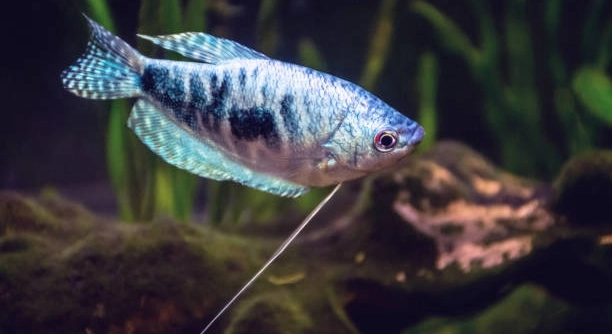
Gouramis are popular aquarium fish but can sometimes show aggressive behavior that worries their keepers. Managing this aggression is important to keep the tank peaceful and the fish healthy. Many owners seek simple ways to reduce conflicts among gouramis.
Aggression in gouramis can be minimized through careful tank setup, providing enough hiding spots, controlling the number of fish, maintaining proper water conditions, and ensuring balanced feeding schedules. These strategies collectively promote calmer interactions and reduce stress.
Learning effective ways to reduce aggression will help you create a more harmonious environment for your gouramis. This article shares practical tips to improve their well-being and your enjoyment of the aquarium.
Create Enough Space and Hiding Spots
Gouramis need plenty of room to swim freely without feeling crowded. A cramped tank can increase aggression as fish compete for space. Make sure your aquarium is large enough for the number of gouramis you have. Adding plants, rocks, and decorations creates natural hiding places where fish can retreat if they feel threatened. This helps reduce stress and lowers the chance of fights. Using tall plants or floating leaves mimics their natural environment and gives them cover. When gouramis feel safe, they are less likely to show territorial behavior. Changing the layout occasionally can also keep the environment interesting and prevent boredom, which sometimes leads to aggression. Watching your gouramis adjust to the space and hiding spots is satisfying and helps maintain peace in your tank.
More space and hiding spots support calm behavior by reducing territorial disputes and providing fish with comfort zones to relax.
Keeping your tank spacious and well-decorated is a simple but effective way to manage aggression. When gouramis have room and places to hide, they focus less on fighting. This setup encourages natural behavior and helps keep all fish healthy and less stressed. Adding live plants not only offers shelter but also improves water quality, which is key for peaceful fish. Remember to avoid overcrowding by sticking to recommended stocking levels. By creating a balanced environment, your gouramis will live more harmoniously, making your aquarium a more enjoyable sight. A calm tank means happier fish and a better experience for you.
Control the Number of Gouramis
Too many gouramis in one tank can increase competition and aggression.
Keeping the number of gouramis appropriate for your tank size helps maintain peace. It’s better to have fewer fish in a larger tank than many in a small space.
Monitor Water Quality Regularly
Poor water quality stresses gouramis and makes aggression worse.
Keeping water clean by testing regularly and performing partial water changes helps reduce aggression. Gouramis are sensitive to ammonia and nitrite, which can build up quickly. Using a good filtration system and avoiding overfeeding also maintains water health. Consistent water parameters create a stable environment, calming your fish. When water quality is good, gouramis behave more naturally and less aggressively.
Regularly cleaning the tank and removing waste helps prevent harmful chemicals from accumulating. Testing kits for pH, ammonia, nitrite, and nitrate are affordable and easy to use. If any levels are off, adjusting the water immediately is important. Stable water conditions reduce stress and support immune health, which lowers aggressive behavior.
Feed a Balanced Diet
A proper diet influences gourami behavior significantly.
Feeding your gouramis high-quality food in appropriate amounts prevents hunger-related aggression. Uneaten food can pollute water, so avoid overfeeding. Variety is important; including flakes, pellets, and occasional live or frozen foods keeps them healthy. Well-fed gouramis are less likely to fight and show territorial behavior.
Balanced nutrition supports their immune system and reduces stress, which helps keep peace in the tank. Feeding small amounts multiple times a day mimics natural feeding habits. Consistency in feeding times also creates a predictable routine, reducing anxiety and aggression. A healthy diet directly impacts their mood and interactions.
Maintain Proper Lighting
Too much light can stress gouramis and increase aggression.
Providing a natural day-night cycle with moderate lighting helps keep gouramis calm. Avoid harsh or constant bright lights to reduce stress and fighting.
Separate Aggressive Fish Immediately
If a gourami shows persistent aggression, removing it from the tank can prevent harm to others.
Isolating aggressive fish in a separate tank or breeding box protects less dominant gouramis. This action stops fights and allows the aggressive fish to calm down. Sometimes, aggression comes from individual temperament rather than environment, so separation may be necessary to keep peace in the main tank.
Use Tank Dividers When Needed
Tank dividers are a practical solution for separating gouramis without reducing tank size.
Dividers let fish have their own territory while sharing the same water system. This reduces fighting but keeps the aquarium setup intact. Using dividers is especially helpful in smaller tanks or when aggressive fish cannot be removed.
Observe and Adjust Environment
Regular observation helps identify triggers for aggression.
Changing decorations, rearranging plants, or altering lighting can reduce stress and calm gouramis.
FAQ
Why do gouramis become aggressive?
Gouramis can show aggression for several reasons. Often, it is due to territorial instincts, especially in males. They may fight to protect their space or compete for mates. Stress from overcrowding, poor water quality, or lack of hiding places can also increase aggression. Sometimes, individual temperament plays a role, as some gouramis are naturally more dominant than others.
How can I tell if my gourami is stressed or aggressive?
Signs of stress or aggression include chasing other fish, fin nipping, or hiding excessively. You might see torn fins or injuries from fights. Aggressive gouramis often flare their fins and display bright colors to intimidate others. If a fish is constantly hiding or seems lethargic, it may also be stressed due to bullying.
What tank size is best to reduce aggression?
A larger tank reduces aggression by giving gouramis more space to establish territories. For most gouramis, a minimum of 20 gallons is recommended, but bigger is better if you plan to keep multiple fish. A larger tank allows room for plants and hiding spots, which helps lower stress and fighting.
Can different gourami species live together peacefully?
Some gourami species get along well, while others do not. Mixing species with similar temperaments and sizes can work if the tank is large and well-planted. However, some gouramis are more aggressive and territorial, so careful selection and observation are important to avoid conflicts.
How often should I clean the tank to prevent aggression?
Regular tank maintenance is essential. Partial water changes of 20-30% weekly or biweekly help keep water clean and healthy. Removing uneaten food and debris prevents buildup of harmful chemicals that stress fish. Clean water promotes calm behavior and reduces aggression caused by poor living conditions.
Will adding more hiding spots stop fights completely?
Adding hiding spots significantly reduces fights but may not eliminate aggression entirely. It gives fish places to escape and reduces direct confrontations. However, some aggressive behavior is natural, especially during breeding or territory disputes. A balanced environment with enough space and hiding places minimizes but doesn’t always fully stop aggression.
Is it better to keep only one gourami per tank?
Keeping a single gourami avoids aggression completely but may not be ideal for those who want a community tank. If you choose to keep more than one, make sure the tank is large enough and has plenty of hiding spots. Introducing fish at the same time can help reduce territorial behavior.
Can diet changes reduce aggression?
Yes, feeding a balanced diet prevents hunger-driven fights. Underfed gouramis are more likely to be aggressive. Providing varied, nutritious food and feeding small amounts regularly keeps fish healthy and less competitive over food.
What should I do if aggression leads to injury?
If a fish is injured, isolate it in a hospital tank to heal. Treat wounds with appropriate aquarium medications to prevent infection. Meanwhile, observe the main tank to identify aggressive individuals and consider rearranging or separating fish to avoid future injuries.
Are there behavioral signs to watch for early aggression?
Early signs include chasing, fin flaring, or one fish blocking access to food or hiding spots. Noticing these behaviors early allows you to take action, such as rearranging the tank or adding dividers, before fights escalate into serious harm.
Can tank mates influence gourami aggression?
Yes, some fish species provoke gouramis or compete for similar territories and food. Choosing peaceful, non-aggressive tank mates helps reduce stress and aggression. Avoid fish that nip fins or chase gouramis, as this can increase tension.
Is breeding season a factor in aggression?
During breeding, male gouramis become highly territorial and aggressive. They guard nests and chase away other fish. If you’re not planning to breed gouramis, separating males during this time helps reduce fights and stress.
How does water temperature affect aggression?
Water temperature outside the ideal range can stress gouramis, increasing aggressive behavior. Maintaining stable temperatures between 75-82°F supports their health and calmness. Sudden changes or extremes cause discomfort and can lead to more fighting.
Can I use medications to calm aggressive gouramis?
There are no specific medications to reduce aggression. The best approach is improving tank conditions, providing space, hiding spots, and balanced feeding. Stress-reducing treatments exist for illness but won’t directly change behavior. Behavioral management is more effective than medication.
What role does tank decoration play in aggression control?
Tank decoration helps by breaking sight lines and giving fish areas to hide. Plants, rocks, and driftwood create visual barriers that reduce territorial disputes. Rearranging decorations occasionally can reset territories and lower aggression.
How long does it take for aggression to decrease after making changes?
It can take days to weeks for gouramis to adjust to a new environment or tank setup. Patience is important. Monitoring their behavior during this time helps ensure the changes are effective and allows for further adjustments if needed.
This FAQ covers common concerns about gourami aggression and practical steps to create a peaceful aquarium. Implementing these tips makes caring for gouramis more enjoyable and keeps your fish healthy and happy.
When keeping gouramis, managing aggression is key to maintaining a peaceful aquarium. Aggression is a natural behavior, but it can be reduced with proper care and attention. Giving gouramis enough space, providing hiding spots, and keeping the tank clean all help lower stress and fighting. A calm environment lets the fish swim and behave more naturally, which benefits their health and happiness. Watching your gouramis settle and interact calmly is rewarding, showing that the right steps are making a difference.
Feeding a balanced diet and controlling the number of gouramis in the tank also play important roles. Overcrowding and hunger often cause fights, so it’s important to keep fish numbers reasonable and feed them well. Regular water testing and cleaning prevent harmful chemicals from building up, which can increase stress and aggression. Sometimes separating aggressive fish or using tank dividers is necessary to keep the peace. These methods give all fish a chance to thrive without constant fighting.
Patience is important when working to reduce gourami aggression. Changes in the tank environment or fish behavior don’t always happen immediately. It may take time for the gouramis to adjust to new hiding places, tank mates, or feeding schedules. Consistent care and observation help you notice what works best for your fish. With steady effort, you can create a balanced and peaceful home for your gouramis. This makes keeping them more enjoyable and helps ensure they live healthier, less stressful lives.

Hello,
If you enjoy the content that we create, please consider saying a "Thank You!" by leaving a tip.
Every little bit helps us continue crafting quality advice that supports the health, happiness, and well-being of pets around the world, for pets of all shapes, sizes, and species.
We really appreciate the kindness and support that you show us!