
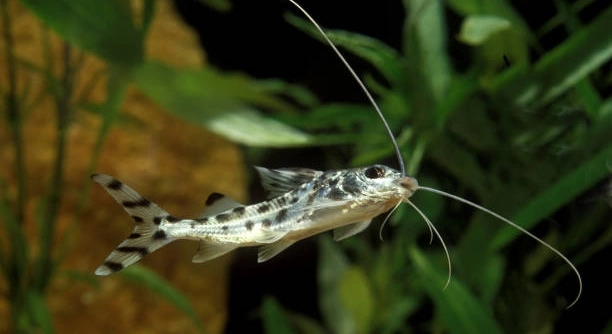
Keeping a single Pictus catfish tank can sometimes lead to moments of dullness for both the fish and the owner. These fish need stimulation to stay active and healthy. Avoiding boredom in their environment is essential for their well-being.
Preventing boredom in single Pictus tanks involves providing varied enrichment, maintaining water quality, and ensuring proper tank setup. Environmental complexity and regular interaction contribute to the fish’s mental and physical stimulation, promoting natural behaviors and overall health.
Simple adjustments in tank care and design can make a big difference. These tips will help keep your Pictus engaged and thriving in their home.
Create a Stimulating Environment
A single Pictus catfish needs a tank that offers plenty of things to explore. Adding plants, rocks, and hiding spots creates interest and gives the fish places to investigate. Driftwood or smooth stones work well because they mimic the natural environment. Including varied textures helps keep the fish curious. Changing decorations or rearranging the tank layout occasionally can also provide new experiences. This prevents the tank from becoming predictable, which can lead to boredom. Be sure not to overcrowd the tank; the fish still need enough swimming space. Lighting can be adjusted to simulate natural day and night cycles, which supports healthy behavior. Overall, making the environment complex but balanced is key to a happy Pictus catfish.
Regular updates to the tank setup encourage activity and exploration. These changes do not need to be drastic but should be noticeable to the fish.
Changing the tank layout every few weeks is a simple way to keep your Pictus engaged. Observing how the fish interacts with new objects provides insight into their preferences. Plants not only add visual interest but also improve water quality. Hiding places reduce stress and encourage natural resting behaviors. Combining these elements creates a balanced environment that promotes health and prevents boredom. Remember, variety is important, but stability in water conditions should always be maintained to avoid unnecessary stress.
Provide Mental and Physical Stimulation
Mental and physical activity are essential for a single Pictus catfish’s well-being. Toys like floating objects or small balls can be added for interaction. You can also introduce feeding puzzles that encourage the fish to work for food. Regularly changing the feeding routine or offering live or frozen food stimulates natural hunting instincts. These methods keep the fish active and interested. Physical exercise supports muscle development and overall health, while mental stimulation reduces signs of stress or lethargy.
Enrichment tools should be safe and suitable for aquarium use.
Using interactive feeding techniques encourages your Pictus catfish to stay alert and physically active. Live foods such as bloodworms or brine shrimp can mimic natural hunting, making mealtime engaging. Alternatively, frozen foods can be placed in different tank areas to promote exploration. Avoid overfeeding by spacing out feeding times and varying portions. Including toys or floating objects adds another layer of stimulation. Always watch how your fish responds to new enrichment and adjust accordingly. These strategies improve their quality of life and help prevent boredom in a single fish tank.
Maintain Proper Water Quality
Clean water is vital for your Pictus catfish’s health and activity. Regular water changes help remove toxins and maintain the right balance of minerals. Keeping the water parameters stable prevents stress and keeps the fish feeling comfortable.
Water quality affects the fish’s behavior directly. Poor water conditions can lead to lethargy or hiding, which may look like boredom. Test the water weekly for ammonia, nitrites, nitrates, and pH. Use a reliable filter system that supports biological filtration, breaking down waste effectively. Avoid overfeeding, as leftover food can pollute the water. Keep the tank temperature steady between 74 and 79°F, which is ideal for Pictus catfish. Regular maintenance promotes a healthy environment where the fish stay active.
A clean tank encourages natural behaviors like swimming and foraging. Stress from poor water quality weakens the fish’s immune system and may cause illness. Maintaining water quality supports not only physical health but also mental alertness. When water is clear and balanced, your Pictus will be more likely to explore and interact with its surroundings. This reduces signs of boredom and helps the fish thrive over time.
Use Appropriate Tank Size
A single Pictus catfish needs enough space to swim freely. A tank that is too small limits movement and increases stress. At least a 30-gallon tank is recommended to provide comfort and room for enrichment.
Larger tanks allow for more decorations, hiding places, and swimming zones. This variety supports natural behaviors and keeps the fish engaged. Crowded tanks reduce oxygen levels and increase waste buildup, which negatively impacts health. Proper tank size is important not just for physical comfort but also for mental stimulation. Ensuring adequate space prevents the fish from becoming inactive or stressed, which are common signs of boredom. A well-sized tank forms the foundation for a lively and healthy Pictus catfish habitat.
Adjust Lighting Conditions
Lighting plays a key role in regulating your Pictus catfish’s daily rhythm. Too much light can cause stress, while too little may reduce activity levels.
Using a timer helps maintain a consistent day-night cycle. Dimming the lights in the evening simulates natural conditions and encourages resting behavior.
Introduce Tank Companions Carefully
While Pictus catfish can live alone, adding compatible tank mates can provide social stimulation. Choose peaceful species that share similar water needs and temperaments to avoid stress or aggression.
Vary Feeding Times
Changing feeding schedules prevents predictability. Feeding at different times encourages alertness and anticipation, which helps reduce boredom.
Monitor Behavior Regularly
Watch your Pictus catfish for signs of boredom or stress. Changes in activity or appetite often indicate a need to adjust the environment or care routine.
FAQ
How often should I change the decorations in my Pictus tank?
Changing decorations every few weeks helps keep your Pictus interested. Small rearrangements or introducing new objects encourage exploration without causing too much stress. Avoid making sudden, drastic changes, as stability is important. Gradual updates provide mental stimulation and prevent boredom.
Can I keep more than one Pictus catfish in a single tank?
Pictus catfish are social but can become territorial in small tanks. If your tank is at least 55 gallons, keeping a small group is possible. Ensure enough hiding spaces and swimming room to reduce conflicts. In smaller tanks, a single Pictus is often happier and less stressed.
What types of enrichment work best for Pictus catfish?
Plants, rocks, driftwood, and hiding spots create a natural environment that encourages exploration. Feeding puzzles or live foods also stimulate hunting instincts. Floating objects or gentle water currents add physical and mental activity. Rotate enrichment items occasionally to maintain interest.
How do I know if my Pictus catfish is bored?
Signs of boredom include inactivity, hiding excessively, or repetitive swimming in circles. Loss of appetite and dull coloration may also appear. Regularly observe your fish to catch these signs early and adjust the environment or feeding routines to improve their well-being.
Is it safe to use toys in the aquarium?
Only use toys designed specifically for aquarium use. Avoid sharp edges or small parts that could harm your fish or pollute the water. Soft floating objects or silicone-based enrichment tools are usually safe. Always monitor your Pictus after introducing new items to ensure they respond positively.
How important is tank temperature for preventing boredom?
Temperature affects metabolism and activity. Keeping the tank between 74 and 79°F ensures your Pictus stays healthy and alert. Too cold slows activity, while too warm increases stress. A stable temperature helps maintain natural behaviors and reduces boredom.
Can lighting changes improve my Pictus catfish’s mood?
Yes. Mimicking natural light cycles with a timer creates a healthy routine. Dimming lights in the evening signals rest time. Avoid bright or constant lighting, which can cause stress. Proper lighting supports activity during the day and calmness at night.
What is the best diet to keep my Pictus active?
A varied diet including high-quality pellets, frozen or live foods like bloodworms or brine shrimp, supports energy and natural hunting behavior. Avoid overfeeding, which causes poor water quality and lethargy. Feeding at different times and offering food in various spots encourages movement and curiosity.
How often should I test my tank’s water?
Testing water weekly for ammonia, nitrites, nitrates, and pH is recommended. Stable water parameters reduce stress and prevent illness, helping your Pictus stay active. Frequent water changes and a good filtration system keep the environment healthy.
What tank size is ideal for a single Pictus catfish?
A minimum of 30 gallons is recommended for one Pictus catfish. Larger tanks allow for more enrichment and swimming space. A spacious tank helps prevent boredom and supports natural behavior patterns, making your fish healthier and more active.
Final Thoughts
Caring for a single Pictus catfish involves more than just feeding and cleaning the tank. Preventing boredom is important to keep the fish healthy and active. Creating a stimulating environment with plants, rocks, and hiding spots helps the fish explore and feel secure. Changing decorations and rearranging the tank occasionally adds variety and keeps the fish curious. These simple steps support natural behaviors that are important for the fish’s well-being.
Maintaining good water quality and a stable temperature are key factors in reducing stress and promoting activity. Regular water testing and changes prevent the buildup of harmful substances, which can affect the fish’s energy levels. Providing enough space with an appropriately sized tank allows the Pictus catfish to swim freely and engage with its surroundings. These conditions form a foundation for a healthy, lively fish that avoids boredom.
In addition to the physical environment, mental and physical stimulation through varied feeding routines and enrichment can make a big difference. Offering live or frozen foods, changing feeding times, and introducing safe toys encourage the fish to stay alert and active. Monitoring the fish regularly for signs of stress or boredom helps adjust care as needed. Following these tips will help maintain a balanced and engaging habitat for your Pictus catfish, ensuring it remains vibrant and healthy over time.

Hello,
If you enjoy the content that we create, please consider saying a "Thank You!" by leaving a tip.
Every little bit helps us continue crafting quality advice that supports the health, happiness, and well-being of pets around the world, for pets of all shapes, sizes, and species.
We really appreciate the kindness and support that you show us!