
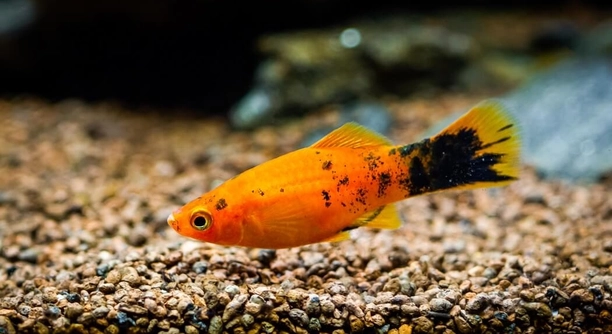
Platies are popular freshwater fish known for their vibrant colors and peaceful nature. When preparing them for travel, it’s important to take special care to reduce stress and keep them healthy. Proper preparation ensures a smooth journey for these delicate pets.
Preparing platies for travel involves creating a stable environment that minimizes stress, maintains water quality, and provides adequate oxygen. Gradual acclimation, using appropriate containers, and avoiding overcrowding are essential for their well-being during transport.
Following these tips will help your platies arrive safely and ready to settle into their new home. Careful preparation makes all the difference in keeping them healthy throughout the trip.
Choose the Right Container for Transport
Selecting the correct container is crucial for moving platies safely. A sturdy plastic bag or a small aquarium-safe container works best. Avoid using thin bags that can easily tear or leak. The container should hold enough water to keep the fish comfortable but not too much to cause sloshing. Adding a small amount of air in the container will provide oxygen for the fish. Make sure the container has a secure lid to prevent spills. If using plastic bags, double-bagging adds extra protection. Before placing the platies inside, ensure the container is clean and free of any chemicals or residues that could harm the fish. Proper containment reduces stress and helps maintain water quality, which is vital for platies’ health during transport. Taking time to prepare the container carefully will help the fish stay calm and safe until they reach their new environment.
A secure container with clean water and enough air helps keep platies safe and less stressed while moving.
It is important to pack the fish gently to avoid injury. Place the fish slowly into the container with water from their tank to keep them calm. Avoid overcrowding, as too many fish can reduce oxygen levels and increase waste. Keep the container out of direct sunlight and avoid extreme temperatures. If the travel time is long, consider using a portable air pump or oxygen tablets. Once the fish arrive, acclimate them gradually to the new tank water by floating the container or bag in the aquarium. This step helps them adjust to temperature and water conditions, reducing shock. Being cautious about the container and its care ensures a safer and less stressful transfer for your platies.
Acclimate Platies Slowly After Transport
After moving platies, it is essential to let them adjust slowly to their new tank. Sudden changes in water conditions can shock the fish and cause health problems.
To acclimate platies properly, start by floating the sealed container or bag in the new aquarium. This balances the temperature between the water inside and the tank. After about 15 to 20 minutes, gradually add small amounts of the tank water into the container every 5 minutes. This process allows the fish to get used to differences in pH, hardness, and temperature. Avoid pouring the transport water directly into the tank to prevent introducing contaminants. Once the fish appear calm and active, gently release them into the aquarium. Observing them closely for the first few hours helps spot any signs of stress or illness. Proper acclimation supports their immune system and helps them settle comfortably in their new home.
Maintain Stable Water Temperature
Keeping the water temperature stable is vital during transport. Sudden changes can stress platies and weaken their immune system.
Use a portable heater or insulation to maintain warmth if the weather is cold. Avoid placing the container near direct sunlight or cold drafts. Ideal temperatures for platies range between 72°F and 78°F (22°C to 26°C). Before travel, measure the water temperature to ensure it’s within this range. If needed, pre-warm or cool the water gradually to avoid shock. During short trips, simply keeping the container insulated with towels or foam can help reduce temperature swings. Proper temperature control reduces stress and supports fish health.
For longer trips, consider using heat packs designed for fish transport. These help maintain warmth consistently. Avoid overheating, which can reduce oxygen levels and cause harm. If the trip involves extreme weather, adjusting the container placement in the vehicle can also help maintain stable temperature. Keeping water temperature steady prevents unnecessary stress and improves platies’ chances of arriving healthy and calm.
Feed Platies Lightly Before Travel
Feeding platies lightly before moving them helps reduce waste buildup in the container. Overfeeding can pollute the water quickly.
Feed your platies a small meal about 12 hours before the trip, allowing them time to digest. Avoid feeding during or immediately before travel, as this can cause digestive issues and increase ammonia levels in the water. A well-fed but not overfed fish is less stressed and more resilient. Removing uneaten food before packing will help keep the water cleaner. Once settled in their new tank, resume regular feeding gradually to avoid shocking their system.
Light feeding before transport helps keep water quality high and fish healthy during the move. It also prevents discomfort caused by poor digestion and water pollution. Taking this simple step is an easy way to protect your platies’ well-being.
Use Stress-Reducing Additives
Adding stress reducers to the transport water can help calm platies. These additives reduce the impact of travel on their health.
Products like stress coat or liquid aquarium salt create a protective layer on the fish’s skin. This helps reduce irritation and supports their immune system. Follow the dosage instructions carefully to avoid overuse, which could harm the fish.
Avoid Overcrowding
Keep the number of platies in the container low to ensure enough oxygen and space. Overcrowding increases stress and waste buildup, harming fish health.
A good rule is one inch of fish per liter of water. More space allows platies to swim freely and reduces aggressive behavior during transport.
Prepare the New Tank in Advance
Make sure the new tank is fully set up and cycled before moving platies in. Stable water conditions are crucial to avoid shock and illness.
Test water parameters such as temperature, pH, ammonia, nitrite, and nitrate. Ensure all equipment like filters and heaters are working properly. Having a healthy environment ready helps platies adjust smoothly and reduces stress.
Handle Fish Gently
Always move platies carefully to avoid injury. Rough handling can cause physical damage and increase stress levels.
FAQ
How long can platies stay in a transport container?
Platies can safely stay in a properly prepared transport container for up to 6 hours. Beyond that, water quality and oxygen levels can decline, which increases stress and health risks. For longer times, it’s best to use oxygen tablets or a battery-powered air pump to maintain good conditions.
What is the best water to use when transporting platies?
Use water from the platies’ current tank to fill the transport container. This helps keep the water chemistry familiar and reduces shock. Avoid using tap water unless it has been treated with a dechlorinator. Untreated tap water can contain harmful chemicals that affect fish health.
Should I feed platies right before travel?
It’s better not to feed platies immediately before traveling. Feeding about 12 hours before the trip allows them to digest food, reducing waste during transport. Uneaten food in the container can pollute the water quickly, causing ammonia spikes that harm the fish.
How can I reduce platies’ stress during travel?
Use a dark, quiet container with some form of cover to limit light and movement. Adding a stress coat or aquarium salt can help protect their skin and reduce irritation. Keeping the water temperature stable and avoiding sudden movements also lowers stress.
Can I use a plastic bag for transporting platies?
Yes, plastic bags are commonly used for short trips. Make sure to double-bag them for extra safety. Fill one-third of the bag with water and the rest with air to provide enough oxygen. Secure the bags tightly to prevent leaks and keep them upright during transport.
Is it necessary to acclimate platies after transport?
Yes, acclimation is very important. It helps platies adjust to new water conditions gradually, preventing shock. Float the sealed container in the new tank for 15 to 20 minutes, then slowly add small amounts of tank water to the container over time before releasing the fish.
What temperature should I keep the transport water?
Keep the transport water between 72°F and 78°F (22°C to 26°C). This range matches platies’ comfortable living temperature. Sudden drops or rises can stress the fish and weaken their immune system, so maintaining this range during transport is crucial.
How many platies should I put in one container?
Avoid overcrowding by keeping about one inch of fish per liter of water. This space allows enough oxygen and reduces aggressive behavior. Overcrowding increases waste and stress, which can harm the fish during transport.
What should I do if platies seem stressed after moving?
If platies look stressed—such as hiding, gasping, or showing clamped fins—check water quality immediately. Perform partial water changes if needed and ensure the temperature and oxygen levels are correct. Adding stress coat and reducing light can help fish recover faster.
Can I add plants or decorations in the transport container?
It’s better to avoid adding plants or decorations during transport. These can take up space, reduce oxygen, and cause injury. Keep the container simple to focus on water quality and safety. Add plants and decorations once platies are settled in their new tank.
Final Thoughts
Preparing platies for travel requires careful attention to their needs and environment. Ensuring the right container, stable water temperature, and proper acclimation are important steps. Each detail plays a role in reducing stress and keeping the fish healthy. Taking time to plan ahead can prevent many common problems during transport. Simple actions like feeding lightly before travel and avoiding overcrowding make a big difference in the fish’s well-being.
It is normal for platies to feel some stress during moving, but proper care helps them adjust more easily. Monitoring their behavior before, during, and after travel helps catch any signs of illness or discomfort early. Quick responses such as water changes or adding stress-reducing additives can support recovery. Remember that a calm environment and gentle handling make platies feel safer. Being patient and observant during this process improves their chances of settling happily in their new home.
Traveling with platies is manageable when following these guidelines. The goal is always to provide a smooth transition with minimal risk to the fish’s health. Maintaining good water quality and temperature, limiting sudden changes, and giving platies space and time to adapt are key factors. With proper preparation, platies can arrive healthy and ready to thrive. Taking care in each step of the process shows respect for the fish’s needs and supports their long-term happiness.

Hello,
If you enjoy the content that we create, please consider saying a "Thank You!" by leaving a tip.
Every little bit helps us continue crafting quality advice that supports the health, happiness, and well-being of pets around the world, for pets of all shapes, sizes, and species.
We really appreciate the kindness and support that you show us!