
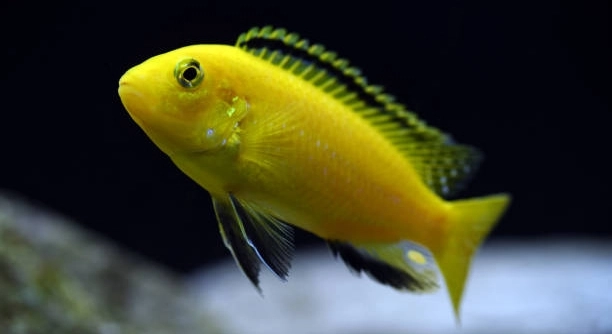
Spawning season can bring noticeable changes in fish behavior, often making them more aggressive than usual. Managing this aggression is important to maintain a safe and stable environment in both home and public aquariums.
Minimizing aggression during spawning involves careful planning and environmental control. Providing adequate space, hiding spots, and proper feeding schedules can reduce conflict. Monitoring water quality and separating overly aggressive individuals ensures a safer, healthier spawning period.
These simple strategies can create a calmer environment, allowing fish to reproduce successfully while reducing stress and potential injury.
Understanding Aggression Patterns
Fish display different levels of aggression depending on species, environment, and breeding stage. During spawning, males often compete for territory and mates, while females may become defensive over nesting areas. Recognizing these behaviors helps prevent injuries and stress. Observing daily interactions can indicate which individuals are prone to fighting, and early intervention can reduce serious conflict. Environmental factors, like tank size and hiding places, significantly influence aggression levels. Small tanks or limited shelter can escalate tensions, while structured environments with clear territories allow fish to coexist more peacefully. Feeding schedules also play a role, as hunger increases irritability. Overcrowding is another key factor; keeping an appropriate ratio of males to females ensures a more balanced dynamic. Adjustments to water temperature and quality can subtly affect behavior, so monitoring conditions regularly is essential. By understanding these patterns, caretakers can take practical steps to minimize aggressive episodes.
Regular observation of fish behavior provides insight into their aggression tendencies. Adjusting their environment early can prevent serious conflicts.
Aggression often peaks when fish compete for limited resources like space and mates. Providing hiding spots, plants, or artificial shelters can reduce direct confrontations. Separating highly aggressive individuals before spawning helps maintain group stability. Feeding small amounts multiple times a day reduces competition and stress, while keeping the water clean ensures optimal health. Consistent monitoring allows timely intervention if fights escalate.
Creating a Safe Spawning Environment
Providing enough space and distinct territories can significantly reduce aggressive behavior. Fish feel less threatened when they have room to move freely and hide from dominant individuals.
A well-structured tank includes plants, rocks, or partitions that break line-of-sight and offer safe zones. Ensuring water flow is gentle prevents additional stress, as strong currents can increase tension. Monitoring temperature and pH levels maintains comfort, reducing irritability. Adjusting lighting gradually mimics natural conditions, helping calm fish during sensitive periods.
Separating males or females showing excessive aggression prevents injury and stress to others. Grouping fish based on size and temperament supports peaceful interactions, as mismatched individuals often trigger fights. Feeding routines tailored to the species’ needs reduce competition, especially during spawning. Observing social hierarchies and intervening when dominance disputes escalate maintains harmony. Choosing compatible tank mates is crucial, as incompatible species often provoke conflict. By carefully designing the environment, caretakers can encourage successful spawning while minimizing harmful encounters, leading to healthier fish and better reproductive outcomes.
Monitoring Water Quality
Regular water testing prevents conditions that trigger aggression. High ammonia, nitrite, or nitrate levels stress fish, making them more likely to fight. Maintaining stable pH and temperature supports calm behavior.
Keeping water clean through routine changes and filtration reduces toxins that provoke irritation. Uneaten food and waste should be removed daily to avoid spikes in ammonia. A well-maintained environment promotes healthy behavior during spawning. Using gentle filtration prevents strong currents that can stress fish, while aeration ensures oxygen levels remain stable. Monitoring water parameters consistently helps detect problems early, allowing quick adjustments to prevent aggression. Clear water also lets you observe interactions, so signs of stress or fighting are easy to spot.
Water changes should be consistent and gradual to prevent sudden fluctuations. Using a reliable test kit allows tracking of pH, ammonia, nitrites, and nitrates. Stability is key to keeping fish calm and preventing conflicts. Regular checks help maintain a safe, balanced environment for successful spawning.
Managing Diet and Feeding
Feeding on a schedule reduces competition and aggression. Balanced nutrition ensures fish are healthy and less irritable.
Providing high-quality food appropriate to the species is essential. Offering small amounts multiple times a day prevents dominance over food and reduces stress. Live or frozen food can encourage natural foraging without increasing fights. Avoid overfeeding, which pollutes water and aggravates tensions. Observing eating patterns helps identify individuals that may need separation to prevent bullying. Consistency in feeding routines also supports reproductive health, giving fish energy without causing aggression.
Treats or supplements should be limited and evenly distributed. Using feeding rings or multiple feeding spots helps prevent dominant fish from hoarding food. Feeding strategies that mimic natural behaviors can reduce conflict and improve overall tank harmony. Observing fish during meals allows caretakers to notice early signs of stress or aggression. By managing diet carefully, spawning conditions remain stable and safer for all fish involved.
Providing Hiding Spots
Hiding spots reduce stress and aggression by giving fish a place to retreat. Plants, rocks, and decorations create safe zones where fish can escape dominant individuals and feel secure.
Artificial caves or partitions help separate fish visually, lowering conflict. Even small structures make a difference in reducing tension during spawning periods.
Adjusting Tank Population
Overcrowding increases fights and stress. Maintaining an appropriate ratio of males to females helps balance interactions and reduces competition. Carefully plan the number of fish in the tank to avoid territorial disputes and ensure each fish has enough space.
Observing Behavior Closely
Daily observation allows quick intervention when aggression spikes. Noticing early signs of fighting or stress prevents injuries and long-term problems, ensuring a safer environment for all fish.
Separating Aggressive Individuals
Separating highly aggressive fish prevents injury and maintains harmony. A temporary isolation tank or divider helps reduce tension without disrupting the rest of the group.
FAQ
What causes aggression during spawning?
Aggression during spawning is mostly driven by natural instincts. Males compete for mates and territory, while females protect eggs or nests. Limited space, overcrowding, or lack of hiding spots can make aggression worse. Stress from poor water quality or improper feeding also increases irritability.
How can I tell if aggression is becoming dangerous?
Signs of dangerous aggression include torn fins, visible injuries, constant chasing, or one fish hiding constantly. If fish show repeated attacks or sustained stress, it’s time to intervene. Early detection prevents serious injury and helps maintain a calmer tank environment.
How often should I check water quality during spawning?
During spawning, water quality should be checked daily. Ammonia, nitrite, and nitrate levels, as well as pH and temperature, need monitoring. Consistent testing ensures stability, reduces stress, and prevents aggression linked to poor water conditions.
Is separating aggressive fish always necessary?
Not always, but separating aggressive individuals can prevent injuries. Temporary dividers or isolation tanks allow fish to calm down without disrupting others. Observing interactions first helps determine if separation is needed or if environmental adjustments alone will reduce aggression.
What type of hiding spots are most effective?
Dense plants, rocks, caves, or artificial shelters provide safe zones. Hiding spots break line-of-sight, reduce tension, and give shy or injured fish a place to recover. Multiple hiding areas prevent overcrowding and allow fish to establish individual territories safely.
How should I adjust feeding to reduce fighting?
Feed small amounts multiple times per day instead of one large feeding. Spread food in different areas to reduce competition. Offer species-appropriate diet and observe which fish may be bullied or left out. Avoid overfeeding, as it can pollute water and increase tension.
Does tank size affect aggression?
Yes, smaller tanks tend to increase fights because fish have less space to establish territories. A larger tank allows natural spacing, reduces stress, and gives fish the ability to retreat from aggressive individuals. Appropriate stocking density is key to minimizing conflicts.
Can water temperature changes influence behavior?
Temperature fluctuations can make fish more irritable. Keeping a stable temperature appropriate for the species supports calm behavior. Sudden increases or drops may trigger aggressive displays, so gradual adjustments are safer. Monitoring daily ensures stability during sensitive spawning periods.
Should I rearrange decorations during spawning?
Rearranging decorations can help establish new territories and reduce dominance disputes. However, sudden changes may stress fish. Gentle adjustments or adding new hiding spots is safer than a complete reorganization, especially when eggs or fry are present.
How long does spawning aggression typically last?
Aggression usually peaks when eggs are laid or males compete for females. Depending on species, it may last a few days to a couple of weeks. Providing adequate space, hiding spots, and monitoring behavior helps reduce the intensity and duration of aggressive periods.
Can aggression affect egg survival?
Yes, aggressive interactions can damage eggs or stress females, reducing hatching success. Protecting nesting areas, separating overly aggressive individuals, and maintaining clean water are crucial steps to ensure better survival rates for offspring.
What are simple daily practices to prevent aggression?
Daily practices include observing fish behavior, removing uneaten food, checking water quality, and providing hiding spots. Feeding consistently, maintaining temperature, and keeping population density appropriate all help reduce stress and aggression during spawning. Regular monitoring allows early action before serious conflicts develop.
Is it necessary to track fish individually?
Tracking individual behavior can help identify aggressive patterns. Knowing which fish are dominant or frequently bullied allows targeted interventions. This can include separation, adjusting feeding strategies, or rearranging the tank to create safer spaces for all fish.
How do I know when to reintroduce separated fish?
Wait until the aggressive fish calms and stress indicators are gone. Gradual reintroduction with visual separation at first is safest. Observe interactions carefully and intervene if fights restart. This ensures harmony and reduces the risk of repeated injuries.
Can changing light conditions help reduce aggression?
Yes, gradual changes in lighting can mimic natural cycles, calming fish during spawning. Avoid sudden bright lights, which can trigger stress or territorial behavior. Providing shaded areas or floating plants allows fish to control exposure and reduces tension naturally.
What role does species compatibility play?
Mixing incompatible species can increase aggression significantly. Different temperaments, sizes, or breeding behaviors may lead to constant fighting. Choosing species with similar needs and non-overlapping territorial behaviors helps maintain a peaceful environment during spawning.
How important is stress reduction overall?
Stress is a major factor in spawning aggression. Calm fish are less likely to fight, reproduce successfully, and stay healthy. Stable water, proper feeding, hiding spots, and careful observation all contribute to minimizing stress and keeping aggression under control.
How can I prevent future aggression cycles?
Maintaining consistent environmental conditions, adequate space, and proper population ratios reduces repeated aggression in subsequent spawning periods. Observing patterns in behavior allows adjustments before problems escalate, creating a safer and healthier tank long-term.
Is it possible to completely eliminate aggression?
Complete elimination is unlikely, as aggression is natural during reproduction. However, careful management of space, environment, diet, and population can reduce it to manageable levels, ensuring fish remain safe, healthy, and able to spawn successfully.
What are quick fixes for sudden fights?
For sudden fights, use temporary dividers, rearrange hiding spots, or gently separate aggressive individuals. Immediate intervention prevents injuries, while maintaining calm water conditions and proper feeding helps reduce the chance of recurring conflicts.
Final Thoughts
Managing aggression during spawning requires attention to both the environment and the behavior of your fish. Aggression is natural, especially when males compete for mates and territory, or females protect their eggs. By providing adequate space, hiding spots, and structured territories, you give fish the ability to interact with less stress. Small adjustments, such as adding plants, rocks, or artificial caves, can make a big difference in how calm your fish remain. Even simple steps, like breaking line-of-sight between dominant and submissive individuals, help prevent constant chasing or attacks. Paying attention to these details allows fish to focus on spawning rather than fighting, which improves the overall health and safety of your tank.
Water quality and feeding routines also play a critical role in minimizing aggression. Fish under stress from poor water conditions or inconsistent feeding are more likely to display territorial or aggressive behavior. Regular water testing and gradual water changes maintain a stable environment, while proper feeding schedules prevent competition over food. Offering food in multiple locations or in smaller portions throughout the day can reduce fights during meal times. Healthy, well-fed fish are calmer and better able to reproduce successfully. Observing feeding and water parameters closely gives early warnings of stress or aggression, allowing you to act before conflicts escalate. This attention to daily routines makes it easier to maintain a peaceful and productive tank during spawning.
Finally, careful observation and intervention are essential to managing aggressive fish. Monitoring behavior allows you to notice which individuals are overly dominant or stressed, so appropriate steps can be taken, like temporary separation or adjusting tank layout. Recognizing early signs of conflict prevents injuries and helps maintain harmony. It is important to remember that aggression cannot be fully eliminated, but with consistent effort, its impact can be greatly reduced. By focusing on proper tank management, water quality, diet, and environmental enrichment, you create conditions that support calmer interactions, healthier fish, and successful spawning. A thoughtful approach ensures that both the fish and the caretaker experience a smoother, safer breeding period.

Hello,
If you enjoy the content that we create, please consider saying a "Thank You!" by leaving a tip.
Every little bit helps us continue crafting quality advice that supports the health, happiness, and well-being of pets around the world, for pets of all shapes, sizes, and species.
We really appreciate the kindness and support that you show us!