
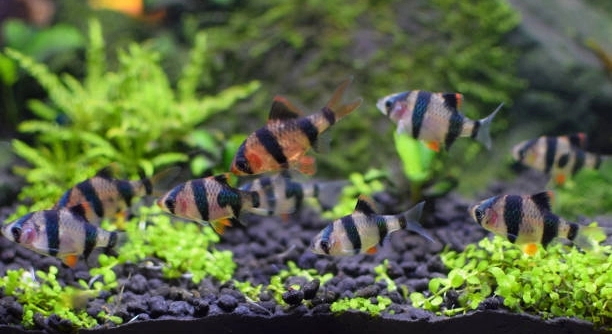
Barb behavior can change for many reasons, affecting their mood and actions over time. These changes may be subtle or more obvious, causing concern for those who care for them. Understanding these shifts helps create a better environment for barbs.
Managing barb behavior changes requires careful observation, consistent care, and adjustments in their environment and diet. Factors like stress, illness, and social dynamics play key roles. Addressing these areas helps maintain their health and reduce unwanted behaviors.
Learning simple tips can make a big difference in handling these changes. Knowing what to watch for and how to respond will improve your experience with barbs.
Recognizing Early Signs of Behavior Changes
Barbs can show subtle signs before their behavior fully shifts. You might notice they become less active or hide more often. Sometimes, they stop eating as much or seem restless. These small changes can mean stress, illness, or discomfort. Paying attention to these early signals is important because it allows you to act quickly and help your barbs feel better. Ignoring these signs might lead to worsening behavior or health problems. Observing your barbs daily and knowing their normal habits helps you spot anything unusual early. This way, you can adjust their care or environment before problems grow. Keeping a simple log of their behavior and feeding times can be useful to track changes over days or weeks. Early detection is key to managing behavior changes effectively and maintaining a healthy, happy tank.
Noticing these signs early can prevent bigger issues and keep your barbs comfortable and active in their tank.
Changes in behavior often start with small shifts in activity or appetite. These may seem minor but usually signal that something in their environment or health is off. Barbs are sensitive to water quality, tank mates, and diet. A sudden drop in activity or refusal to eat could indicate stress or illness. Sometimes, changes happen after a new fish is added or the tank is cleaned differently. Barbs also react to water temperature or pH changes, which might make them irritable or withdrawn. If you see aggression or hiding more than usual, it’s time to check the tank conditions closely. Testing water parameters regularly and keeping the tank stable helps reduce stress. Addressing the root causes early supports your barbs’ well-being and prevents ongoing behavior problems.
Adjusting Diet to Support Behavior
Changing your barbs’ diet can improve their mood and activity levels. Feeding a varied diet with good quality flakes, pellets, and occasional live or frozen foods adds nutrition they need. Avoid overfeeding, which can lead to poor water quality and stress. Barbs thrive on small, frequent meals instead of one big feeding. Including foods rich in vitamins and minerals helps boost their immune system, making them less prone to illness-related behavior changes. If your barbs seem sluggish or lose interest in food, try offering different types or adjusting feeding times. Fresh vegetables like blanched peas or spinach can be good treats. Watch how they react to diet changes and keep it balanced to prevent upset stomachs or water pollution. A well-fed barb is more likely to be active and social.
Healthy eating supports stronger, more stable behavior and helps barbs cope with stress and environment shifts.
Creating a Calm Environment
Reducing sudden changes in the tank helps barbs stay calm. Consistent lighting, temperature, and minimal loud noises make a big difference. Barbs feel safer when their surroundings are stable and predictable.
Sudden changes in water temperature or light cycles can cause stress, making barbs behave oddly. Try to keep the temperature steady within their comfort range and use a timer for the lights to maintain regular day and night periods. Avoid tapping on the glass or making loud noises near the tank. These can startle barbs and increase aggression or hiding. A peaceful environment allows barbs to settle into their routines and lowers the chance of aggressive behavior.
Barbs also benefit from hiding spots like plants or decorations. These offer safe spaces to retreat if they feel threatened. Keeping a calm, balanced tank environment reduces stress and helps maintain natural, stable behavior patterns over time.
Observing Social Dynamics
Barbs often change behavior because of their tank mates. Aggression or bullying from other fish can cause stress and hiding. Watching how fish interact is important.
Sometimes barbs show dominant or territorial behavior when the group size or composition isn’t right. Overcrowding can increase aggression, while too few barbs might make them lonely or bored. Introducing compatible species and keeping barbs in groups of at least five helps reduce stress. Barbs feel more secure and social when they have enough space to swim and interact without constant conflict. If aggression continues, consider rearranging the tank layout or separating aggressive individuals to restore balance and peace.
Maintaining Clean Water
Clean water is essential for healthy barb behavior. Dirty or toxic water stresses fish and can cause aggression or lethargy.
Regular water changes and testing help keep water quality high. Removing waste and controlling ammonia and nitrate levels prevent illness and behavioral issues.
Providing Enrichment
Barbs need stimulation to avoid boredom, which can cause stress or destructive behavior. Adding plants, rocks, or tunnels encourages natural exploration and activity.
Varying the tank setup every few weeks keeps their environment interesting. This simple change can improve their mood and social interactions.
Monitoring Health Signs
Watch for physical symptoms like faded colors, clamped fins, or spots. These can indicate illness linked to behavior changes.
Early detection allows timely treatment and reduces stress on barbs, improving their chances of recovery.
FAQ
Why do my barbs suddenly become aggressive?
Barb aggression often comes from stress or changes in their environment. Overcrowding, poor water quality, or new tank mates can trigger fights. Barbs are social but need enough space to swim freely and establish their own areas. If a tank is too small or has too many fish, tensions rise. Sometimes, a new fish entering the tank upsets the balance, causing barbs to act aggressively. Checking water parameters and ensuring proper group sizes helps reduce this behavior.
How can I tell if my barbs are stressed?
Signs of stress include hiding more than usual, loss of appetite, or rapid gill movement. You may also see faded colors or erratic swimming patterns. Stress weakens their immune system, making them vulnerable to illness. Keeping stable water conditions and a calm environment helps lower stress levels. Providing hiding spots and limiting sudden changes in the tank reduces stress and promotes healthier behavior.
What should I do if my barbs stop eating?
Loss of appetite can be due to illness, stress, or poor water quality. First, test the water to ensure parameters like ammonia, nitrites, and nitrates are safe. Check for any signs of disease such as spots or fin damage. Try offering a variety of foods, including live or frozen options, to entice them. If the problem continues, isolating the affected barb and consulting a vet or fish expert is best. A healthy diet is key to recovery.
Can changing the tank setup improve barb behavior?
Yes, rearranging decorations and adding plants or caves can reduce aggression and boredom. New hiding spots give barbs safe places to retreat, lowering stress. Changing the layout every few weeks also provides mental stimulation. A varied environment encourages natural exploration and keeps them active, which improves overall behavior and health.
How often should I perform water changes?
Weekly water changes of 20-30% help keep the tank clean and reduce toxins. More frequent changes might be needed in crowded tanks or if water quality drops quickly. Regular water testing guides the schedule. Clean water prevents stress and disease, which directly affects behavior. Always treat tap water to remove chlorine or chloramine before adding it to the tank.
Are all fish compatible with barbs?
Not all fish mix well with barbs. Some species are more peaceful, while barbs tend to be active and sometimes aggressive. It’s best to avoid slow-moving or long-finned fish that barbs may nip. Research compatible tank mates like certain tetras or danios to keep peace. Watching interactions closely after adding new fish is important to prevent bullying or stress.
What role does temperature play in barb behavior?
Temperature affects metabolism and mood in barbs. Too high or too low water temperature can cause lethargy or irritability. Keeping water between 74°F and 78°F provides a comfortable range. Sudden temperature shifts stress barbs and may weaken their immune systems. Using a reliable heater and thermometer helps maintain steady temperature for healthier behavior.
How do I know if a behavior change is due to illness?
Illness-related changes include lethargy, loss of appetite, unusual spots, or frayed fins. If barbs isolate themselves or gasp at the surface, they might be sick. Early recognition allows quicker treatment and better outcomes. Quarantining affected fish and checking water quality are important first steps. Treating common diseases early reduces long-term damage.
Is social grouping important for barbs?
Barbs are schooling fish and do best in groups of five or more. Being alone can cause stress and lead to unusual behaviors. Groups help them feel secure and encourage natural social behaviors. However, overcrowding can cause fights, so balance is key. Proper group size supports mental and physical health.
Can I prevent behavior changes completely?
While some changes are natural as barbs grow or age, many behavior problems can be prevented. Stable water conditions, proper diet, suitable tank mates, and a calm environment all help. Regular observation allows early detection of issues. Being proactive with care reduces stress and keeps barbs healthy and happy longer.
Barb behavior changes are common and can happen for many reasons. These changes don’t always mean something is seriously wrong, but they do need attention. Paying close attention to your barbs and their daily habits helps you understand when something is different. Sometimes, small changes in their activity or mood can tell you a lot about their health and comfort. By noticing these signs early, you can take simple steps to help your barbs feel better and prevent bigger problems. Regular care, like keeping the tank clean and stable, is key to avoiding stress and unwanted behaviors.
Taking care of barbs involves more than just feeding them. Their environment plays a big role in how they act. Keeping the water clean and the temperature steady helps barbs stay calm and healthy. It’s also important to provide hiding spots and enough space for all the fish to swim comfortably. Barbs are social animals and do best in groups, so making sure they have the right number of tank mates helps reduce fighting or loneliness. Sometimes, behavior changes happen when new fish are added or when the tank layout is changed. Watching how your barbs react to these changes can guide you in making adjustments that improve their well-being.
Finally, diet and enrichment are important parts of managing behavior changes. Feeding a balanced and varied diet gives barbs the nutrients they need to stay healthy. Offering different foods and adding new decorations to the tank can keep your fish interested and active. Boredom can lead to stress and bad behavior, so keeping their environment interesting matters. Behavior changes can be managed well with patience and attention. With regular observation and simple care routines, you can help your barbs live happily and reduce the chance of problems. Taking these steps will create a better experience for both you and your fish.

Hello,
If you enjoy the content that we create, please consider saying a "Thank You!" by leaving a tip.
Every little bit helps us continue crafting quality advice that supports the health, happiness, and well-being of pets around the world, for pets of all shapes, sizes, and species.
We really appreciate the kindness and support that you show us!