
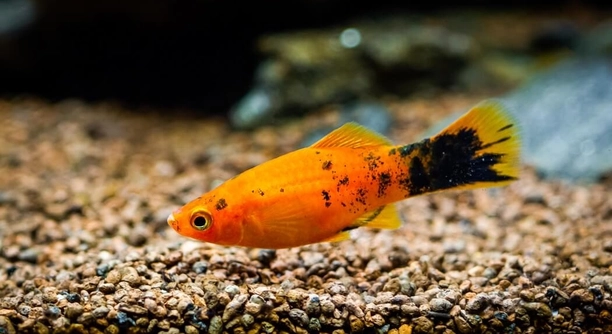
Platy fish are popular for home aquariums because of their bright colors and peaceful nature. Many owners want their tanks to look natural and inviting, creating a comfortable environment for their fish. Achieving this natural look takes some planning and care.
Creating a natural-looking platy tank involves choosing appropriate plants, decorations, and substrate to mimic the fish’s natural habitat. Proper lighting and water conditions are also essential to promote healthy growth of both plants and fish. Attention to detail ensures the tank appears balanced and realistic.
This article shares practical tips that will help transform your platy tank into a more natural and enjoyable space for both you and your fish.
Choose Live Plants That Suit Platys
Live plants help make a platy tank look natural by providing shelter and mimicking their natural environment. Plants like Java fern, Anubias, and Hornwort are good choices because they are easy to care for and tolerate different water conditions. These plants offer hiding places for the fish and help improve water quality by absorbing nitrates. Adding a variety of plants with different shapes and heights creates depth and makes the tank more interesting to watch. Avoid overcrowding the tank; too many plants can limit swimming space and reduce water circulation. Healthy plants need proper lighting and sometimes fertilizers, so keep those factors in mind to maintain their growth and appearance.
Plants also encourage natural behaviors in platys, such as exploring and grazing on algae. This makes the tank environment more engaging for the fish and promotes their well-being.
Having live plants instead of artificial ones not only looks better but also supports a balanced ecosystem in your tank.
Select the Right Substrate
Choosing the correct substrate is essential for a natural platy tank. Gravel or sand that resembles the fish’s natural habitat works best. Darker substrates often highlight the colors of platys better and make the tank feel more natural. Avoid substrates that are too sharp or large, as they can harm the fish or damage plants. A good substrate supports plant roots and helps beneficial bacteria grow, which keeps the water clean.
Provide Proper Lighting
Proper lighting plays a key role in making a platy tank look natural. Too much light can cause algae growth, while too little light can stunt plant growth. A balanced light schedule, around 8 to 10 hours a day, helps maintain healthy plants and a comfortable environment for the fish. Using full-spectrum lights designed for aquariums brings out the natural colors of both plants and fish, enhancing the overall look. It is important to adjust the light intensity based on the plants you choose, as some need more light than others. Consistent lighting supports the tank’s ecosystem and keeps it visually appealing.
Regularly check the lighting and adjust it to match the needs of your plants and fish, ensuring the tank stays vibrant and natural.
Use Natural Decorations
Natural decorations like driftwood and rocks add texture and interest to your platy tank. They provide hiding spots and create a more authentic environment. Avoid sharp or overly large decorations that could injure your fish.
Driftwood not only looks natural but also releases tannins that slightly lower pH, which some platys prefer. Rocks should be smooth and safe for aquarium use, like lava rock or slate. Arrange these elements thoughtfully to create caves or sheltered areas, encouraging natural fish behaviors. Clean decorations regularly to prevent algae buildup and maintain water quality.
Adding natural decorations helps replicate the platy’s environment and keeps the tank visually balanced. It also benefits fish by offering places to explore and rest, reducing stress and promoting overall health.
Maintain Stable Water Conditions
Stable water conditions are crucial for a natural and healthy platy tank. Sudden changes in temperature, pH, or hardness can stress your fish and affect plant growth. Platys thrive in water temperatures between 72°F and 78°F, with a pH around 7.0 to 8.0. Regular testing helps monitor these levels and avoid surprises.
Using a reliable heater and filter supports consistent water quality. Perform partial water changes weekly to remove waste and replenish minerals. Avoid overcrowding to reduce ammonia buildup and maintain oxygen levels. Keeping water conditions stable ensures that both fish and plants stay healthy and vibrant, preserving the natural feel of your aquarium.
Avoid Overfeeding
Overfeeding can cloud the water and cause algae growth, making the tank look less natural. Feed your platys small amounts once or twice a day, giving only what they can eat in a few minutes.
Uneaten food breaks down and pollutes the water. This harms both fish and plants, disrupting the balance you want to maintain.
Use Moderate Water Flow
Platys prefer gentle water flow that mimics their natural habitat. Strong currents can stress them and disturb plants. Adjust your filter or add decorations to soften the water movement.
A calm flow helps keep the tank environment stable and comfortable for all its inhabitants.
Keep Fish Numbers Balanced
Maintaining a balanced number of platys and other tank mates is essential for a natural-looking aquarium. Overcrowding causes stress, poor water quality, and less swimming space.
A balanced population promotes healthy behavior, reduces aggression, and helps preserve the tank’s natural feel.
Regularly Remove Debris
Cleaning out uneaten food, dead leaves, and waste keeps the tank tidy. This helps maintain clear water and supports plant and fish health.
How often should I clean my platy tank to keep it looking natural?
Regular cleaning is essential to maintain a natural and healthy tank. Perform a partial water change of about 20-25% every week to remove waste and keep water quality high. Clean the substrate gently with a gravel vacuum during these changes to remove debris without disturbing plant roots. Wipe algae off tank walls as needed, but avoid harsh scrubbing that could damage beneficial bacteria. Filter maintenance should be done monthly by rinsing filter media in tank water to preserve helpful microbes. Consistent cleaning prevents excess waste buildup, keeps the water clear, and supports the natural balance of your aquarium.
What types of plants grow best in a platy tank?
Platys thrive with hardy plants that can tolerate a range of water conditions and lighting levels. Java fern is popular because it grows well attached to driftwood or rocks and does not need substrate planting. Anubias is another slow-growing plant that adds structure without demanding high light. Hornwort is a fast-growing floating plant that helps reduce algae by competing for nutrients. Amazon sword plants offer broad leaves for shelter and grazing. These plants create a natural habitat while being relatively low-maintenance, making them great choices for both beginners and experienced hobbyists.
Can I mix platys with other fish to create a more natural community?
Yes, platys are peaceful and social fish that do well with many other species. Suitable tank mates include small, calm fish like tetras, guppies, mollies, and Corydoras catfish. These species share similar water requirements and temperament, helping maintain harmony. Avoid aggressive or much larger fish that could stress or harm platys. A mixed community with compatible species mimics natural environments better and adds variety to your tank. Always monitor new introductions carefully and quarantine new fish before adding them to your main tank to prevent disease.
How do I control algae growth without harming my plants or fish?
Algae control requires balancing light, nutrients, and tank maintenance. Avoid excessive lighting by keeping it on for 8-10 hours daily, using a timer for consistency. Do not overfeed, as leftover food feeds algae. Regular partial water changes reduce excess nutrients that promote algae growth. Adding live plants helps outcompete algae for nutrients. You can also introduce algae-eating species like Amano shrimp or Nerite snails. If algae become persistent, manual removal during cleaning helps. Avoid harsh chemical treatments as they can harm fish and plants.
What kind of substrate is best for live plants and platys?
A fine gravel or sand substrate works best for a platy tank with live plants. Sand allows plant roots to spread easily, while fine gravel provides stability and good water flow. Avoid sharp or coarse substrates that may damage roots or injure fish. Darker substrates often highlight the colors of platys better and give the tank a more natural look. Some aquarists use nutrient-rich substrates or add root tabs to support plant growth. Choose a substrate that fits your plants’ needs and complements the overall tank design.
How important is water temperature for platys and plants?
Maintaining stable water temperature between 72°F and 78°F is important for platys’ health and plant growth. Temperatures outside this range can stress fish and slow plant development. Use a reliable aquarium heater and thermometer to monitor and control temperature consistently. Avoid sudden temperature changes caused by drafts or equipment issues. Proper temperature creates a comfortable environment where platys stay active and plants thrive, contributing to the tank’s natural appearance.
Can I use artificial plants instead of live plants for a natural look?
Artificial plants can add color and decoration but lack the benefits of live plants. They do not improve water quality or provide oxygen and nutrients that live plants offer. They may also trap debris and encourage algae buildup. Live plants encourage natural fish behavior by providing real hiding spots and grazing surfaces. For the most natural tank appearance and healthy ecosystem, live plants are preferable. If you choose artificial plants, select high-quality ones that mimic real plants closely and clean them regularly.
How do I encourage my platys to display natural behaviors?
Creating a natural environment encourages platys to explore, hide, and interact as they would in the wild. Provide live plants, natural decorations, and gentle water flow. Keep water conditions stable and maintain a clean tank. Feeding varied diets including flakes, frozen foods, and occasional live foods promotes activity. Avoid overcrowding and provide adequate space to swim. When platys feel safe and comfortable, their natural colors brighten and they show active, healthy behavior, which enhances the tank’s overall appeal.
What lighting is best to enhance both plants and platy colors?
Full-spectrum aquarium lights that mimic natural daylight are best for live plants and platys. These lights provide the wavelengths plants need for photosynthesis and bring out vibrant fish colors. Aim for 8-10 hours of light daily to balance growth and prevent algae. LED lights are energy-efficient and often come with adjustable settings. Position lights to cover the entire tank evenly without creating harsh spots or shadows. Proper lighting supports a healthy ecosystem and makes your tank more visually pleasing.
How often should I test water parameters in my platy tank?
Test water parameters weekly or at least biweekly to ensure a stable environment. Check temperature, pH, ammonia, nitrite, and nitrate levels regularly. Early detection of changes allows for quick action to prevent stress or illness in fish and plants. Use reliable test kits and keep records to track trends over time. Consistent monitoring is key to maintaining a natural and healthy aquarium.
Creating a natural-looking platy tank takes attention to detail and ongoing care. Choosing the right plants, decorations, substrate, and lighting can make a big difference in how the tank appears and how comfortable the fish feel. It’s important to create an environment that closely resembles the platy’s natural habitat, as this supports their health and encourages natural behaviors. Simple steps like selecting easy-to-care-for plants and adding smooth rocks or driftwood help the tank look more balanced and realistic. With these basics in place, the aquarium becomes a pleasant space for both the fish and the owner.
Maintaining stable water conditions and keeping the tank clean are just as important as decorating it well. Platys thrive when temperature, pH, and water quality are consistent, so regular testing and water changes are necessary. Overfeeding and overcrowding can quickly disturb this balance and lead to algae growth or stress in the fish. It is best to feed small portions and keep the number of fish appropriate for the tank size. Paying attention to these details will help keep the tank clear, healthy, and visually appealing over time. Simple care routines go a long way in preserving a natural look.
Finally, patience and observation are key when working toward a natural platy tank. It can take time for plants to grow, decorations to settle, and fish to adapt to their environment. Watching your platys and adjusting conditions as needed will help you learn what works best. Each tank is unique, and small changes can improve the overall appearance and health of your aquarium. By following good practices and staying consistent, you can enjoy a beautiful, natural-looking platy tank that brings a little piece of nature indoors.

Hello,
If you enjoy the content that we create, please consider saying a "Thank You!" by leaving a tip.
Every little bit helps us continue crafting quality advice that supports the health, happiness, and well-being of pets around the world, for pets of all shapes, sizes, and species.
We really appreciate the kindness and support that you show us!